How Botox helps with migraines
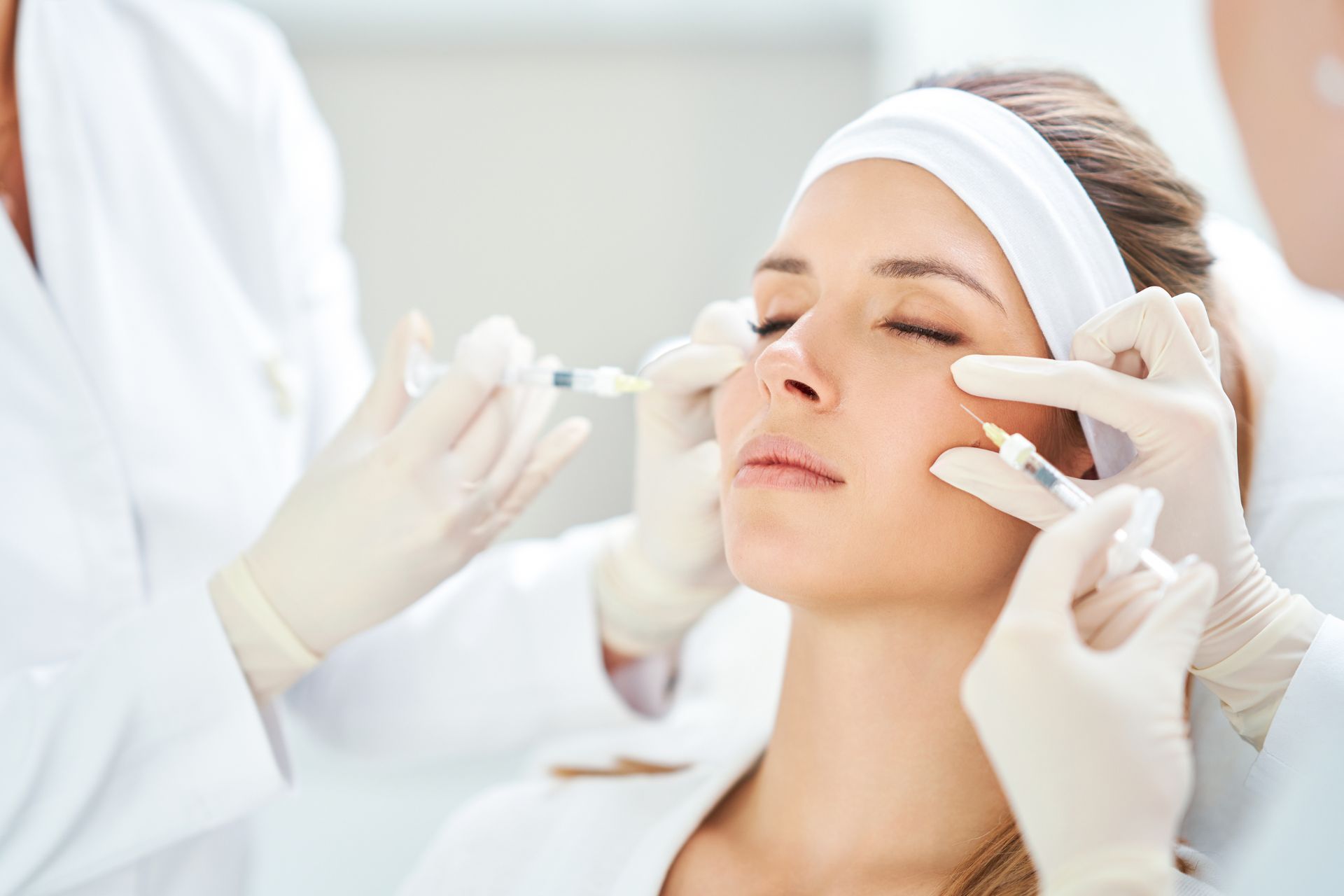
Unlike Botox used for smoothing facial wrinkles, this treatment focuses on the muscular weakness and nerve activity involved in chronic migraine. By injecting small units of Botox into specific muscle groups around the head, neck, and shoulders, we can help interrupt the chain of pain before it starts.
The procedure targets key trigger points, helping to:
- Block pain signals sent to the brain
- Relax overactive muscle groups that contribute to tension
- Reduce sensitivity in nerves that often spark migraine attacks
These injections are part of a preventative approach. While they do not stop a migraine in progress, they are effective at reducing the frequency and severity of migraine days over time. Many patients begin to notice improvement after two or three treatment sessions.
Is Botox right for your migraines?
Botox is licensed for adults with chronic migraines, which means experiencing 15 or more migraine days per month. It is not suitable for occasional headaches or cluster headaches.
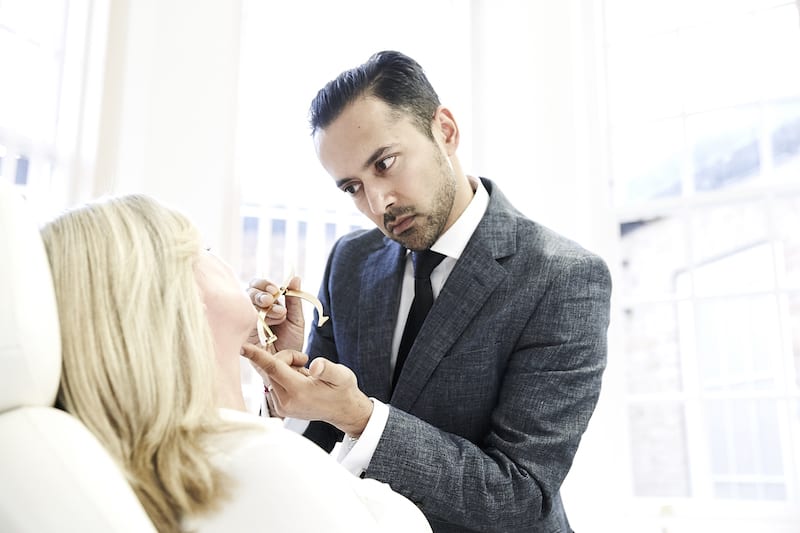
If your migraines are frequent, interfere with your daily activities, and other treatments have not provided consistent relief, Botox may offer a better long-term option. During your consultation, we carry out a full assessment of your symptoms, treatment history, and medical background.
In cases where symptoms suggest a more complex neurological issue, or where the pain is unusually severe, worsening rapidly, or associated with double vision or other concerning signs, we may recommend speaking with your GP before proceeding with aesthetic treatment. Patient safety and informed care always come first.
What to expect from treatment
Botox treatment for migraines is a straightforward process, typically lasting 15 to 30 minutes. No anaesthetic is needed, though you may feel a light pinprick as the needle is inserted.
Around 30 to 40 small injections are given into carefully mapped areas across the forehead, scalp, temples, neck, and shoulders. These areas correspond to the muscle groups and nerve endings most commonly involved in chronic migraine.
While results vary, many patients experience
- Fewer migraine days each month
- A reduction in the intensity of their symptoms
- Less reliance on oral medication
- More predictable routines and fewer interruptions to daily life
There is minimal downtime needed, and an ice pack can help ease any minor discomfort post-treatment.
Key benefits of Botox for migraines
Botox offers a safe, clinically approved way to manage migraines with fewer medications and more freedom from symptoms. The benefits include:
- Fewer headache days per month
- Reduced intensity of migraines
- Less reliance on oral medications
- Minimal downtime and a quick procedure
- Long-lasting results with a regular treatment cycle
Patients often report feeling more in control of their schedules, with a noticeable improvement in day-to-day functioning and mental clarity.
Tracking Your Symptoms
To understand whether your migraines qualify as chronic, it can help to keep a symptom diary. Record your migraine days, how long each episode lasts, and any related signs like neck pain, nausea, or visual disturbances.
This information is useful in understanding your headache pattern and helps us determine if Botox is likely to be an appropriate and effective treatment.
How Long Do the Results Last?
Botox results typically last around 12 weeks. When administered regularly, patients often report a progressive reduction in both the number and severity of migraine attacks. In clinical trials, many people saw a 50% reduction in headache frequency after several sessions.
Because migraine in pregnancy can present differently or require separate care, we always ask about medical history before treatment to ensure Botox is a safe and suitable choice for you.
Are There Side Effects?
Like any injectable treatment, Botox can cause mild and temporary side effects, including:
- Redness or tenderness at injection sites
- Temporary bruising
- A tight sensation or low-level headache after treatment
Serious side effects are rare, especially when carried out by trained professionals. If you ever experience unexpected symptoms, we are here to offer support and clear answers. Our team ensures each treatment is delivered with care, precision, and patient comfort in mind.
How Is It Different from Other Treatments?
Botox for migraines differs from oral medications by addressing muscular and neurological pain triggers directly. Instead of masking symptoms, it reduces their origin. The units of Botox used for migraine are also different from those used for facial wrinkle treatments, and injection techniques vary based on the affected muscle groups and nerve pathways.
Reduce Your Migraines
If you are living with chronic migraines and searching for a reliable, long-term reduction in symptoms, Botox could offer the relief you need. At PHI Clinic, we create personalised treatment plans based on your individual lifestyle and treatment history.
Book a consultation with our expert team to explore whether Botox is the right step forward. We are here to help you feel better, live more fully, and regain control.