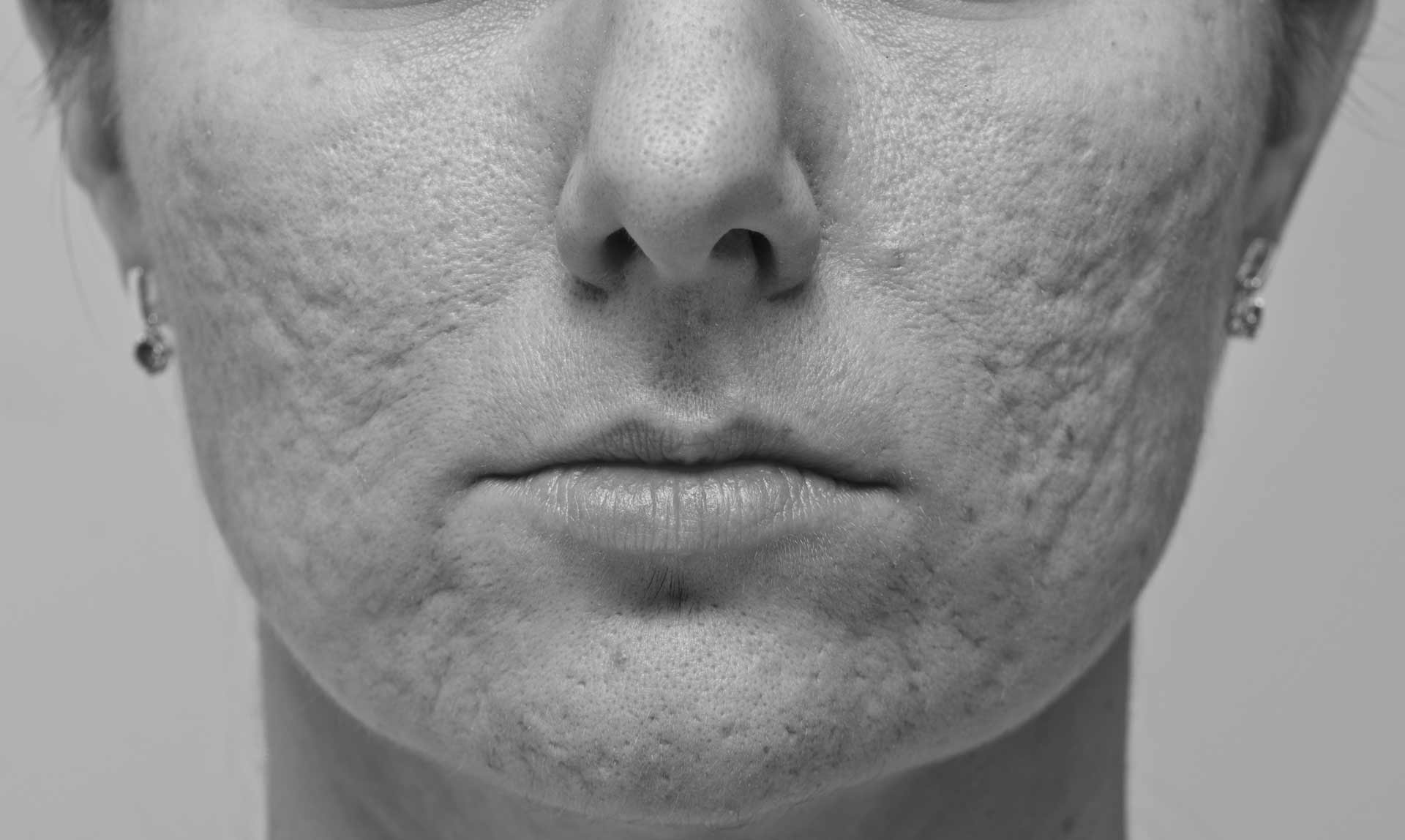
Azelaic Acid and Skin Conditions
Azelaic acid is a versatile player in the realm of skincare, valued for its capacity to address a spectrum of skin conditions while being remarkably considerate to the skin. As a dicarboxylic acid, it is distinct from alpha-hydroxy acids (like glycolic and lactic acid) or beta-hydroxy acids (like salicylic acid), offering a unique approach to skin health. Its multifaceted nature allows it to combat inflammatory skin conditions, promote even skin tone, and enhance skin texture. Its benefits sweep across various skin types and concerns without disrupting the delicate balance of those with skin sensitivity.
Azelaic Acid for Acne-Prone Skin
Acne-prone skin often finds a friend in azelaic acid. This ingredient's anti-bacterial properties target acne-causing bacteria directly at the source, helping to prevent the formation of new breakouts. Its ability to expedite skin cell turnover is an additional benefit, as this process helps to unclog pores, reduce the presence of dead skin cells, and diminish acne-related blemishes. Azelaic acid gel or cream formulations can be incorporated into a skincare routine to provide sustained benefits without the same risk of irritation as other acid treatments like salicylic acid, which can sometimes be too harsh for sensitive skin types. Where breakouts are persistent or leaving marks behind, topical care is often more effective alongside in-clinic acne treatment in London.
Azelaic Acid for Rosacea-Prone Skin
For those grappling with rosacea, azelaic acid offers a soothing effect that can temper inflammation and diminish the redness and flushing associated with the condition. It works by fortifying the skin barrier, reducing the impact of environmental stressors that can exacerbate rosacea symptoms. Consistent use of azelaic acid products can lead to a visible reduction in the appearance of rosacea-related bumps and blemishes, offering a reprieve to those seeking a gentle yet effective topical treatment. Where flushing and visible vessels persist despite a good routine, rosacea treatment can address what topicals alone will not reach.
Azelaic Acid for Post-Inflammatory Hyperpigmentation
Post-inflammatory hyperpigmentation (PIH), better known as post-acne marks or post-blemish marks, is what remains once the inflammation of acne or another skin injury has settled. Azelaic acid is adept at fading these discolourations by inhibiting tyrosinase, the enzyme responsible for melanin production. By doing so, it not only lightens existing hyperpigmentation but also helps prevent new marks from forming, paving the way for a more consistent and even skin tone. It is also used in the management of melasma, where pigmentation is driven by hormonal changes as well as sun exposure. Because it does not increase sensitivity in the way some brightening agents can, it is often suitable for deeper skin tones, where the risk of rebound pigmentation is higher. For stubborn dark spots that are long-standing or sitting deeper in the skin, pigmentation treatment may be the more direct route.
Azelaic Acid Products and Usage
Azelaic acid skincare products are available in varying strengths and formulations, catering to a broad range of needs. Understanding which strength suits your skin is the first step towards results that last.
- Azelaic acid 10% and below is available over the counter, in serums, gels and creams. This is the usual starting point for mild breakouts, uneven tone and general skin texture.
- Azelaic acid 15% and 20% are prescription strength in the UK and are typically used for persistent rosacea, stubborn hyperpigmentation and inflammatory acne. These require assessment by a prescriber, and for rosacea in particular they tend to work best alongside rosacea treatment rather than on their own.
The right strength depends on your skin type, the concern you are treating, and how your skin barrier is behaving at the time. Starting too strong is one of the most common reasons people abandon the ingredient before it has had a chance to work. If you are unsure where to begin, our skincare treatments in London start with an assessment of what your skin actually needs.
Azelaic Acid Serums, Gels and Creams
Azelaic acid is commonly found in serum, gel and cream forms, which are tailored for different skin types and preferences. Serums and gels typically have a lightweight consistency, making them suitable for oily and acne-prone skin, as they absorb quickly without leaving a greasy residue. Creams are often more hydrating and may be better suited for those with dry or sensitive skin seeking the soothing benefits of azelaic acid. Whichever format you choose, consistency matters more than concentration.
Does Azelaic Acid Cause Purging?
Azelaic acid is not a retinoid and does not accelerate cell turnover as aggressively, so true purging is less common than with retinol or exfoliating acids. Some people do notice mild tingling, dryness or a temporary increase in redness during the first two to four weeks as the skin adjusts. This usually settles.
If irritation is persistent, worsening, or accompanied by significant flaking, that is a sign the strength or frequency is wrong for your skin rather than a phase to push through. Reduce to every third day, keep your routine simple, and give your skin barrier time to recover before building back up.
How to Use Azelaic Acid
Incorporating azelaic acid into your skin care routine should be done gradually. Begin by using the product every other day or a few times per week to give your skin time to adjust, before moving to daily use if the product instructions or your prescriber recommend it. Azelaic acid can typically be applied in the morning or evening after cleansing and before moisturising, but always follow the directions on the product's label.
A few practical points:
- Patch test on a small area before applying to the whole face.
- Use sunscreen every day. UV exposure drives pigmentation and slows collagen production, so treating dark spots without it undermines the result.
- Azelaic acid layers well with niacinamide, hyaluronic acid and vitamin C, and can be alternated with retinoids rather than used at the same time.
Speak to Our Team at PHI Clinic
At PHI Clinic, we prioritise safety and care in everything we do, taking the time to understand each patient's concerns and goals. This personalised approach leads us to create bespoke treatment plans, considering factors like skin type, lifestyle and triggers. We also offer patients individually tailored at-home routines to support clearer, healthier skin.
If you are dealing with rosacea, pigmentation or persistent breakouts and you are not sure which actives belong in your routine, a skin assessment is the most useful place to start. It is where skincare treatment in London should begin, rather than with a product guess. Our team at the Harley Street skin clinic will look at your skin properly, explain what is driving the concern, and build a plan around it.