For more videos, follow PHI Clinic on Instagram @phiclinic
Freckles: Your Skin’s Natural Response to the Sun
Freckles, also known as ephelides, are small, evenly coloured spots that appear when your skin produces extra melanin, the pigment responsible for skin colour. They are often genetic, meaning if your parents freckle easily, you probably will too.
They tend to appear in childhood or early teens, especially after sun exposure, and fade in winter when UV levels drop. Think of freckles as your skin’s way of showing mild skin damage from sunlight. They are completely harmless but indicate that your skin is sensitive to UV light, so daily use of a broad-spectrum sunscreen is essential to help prevent further pigment formation and dark spots.
Sun Damage: The Freckle’s Older, More Stubborn Cousin
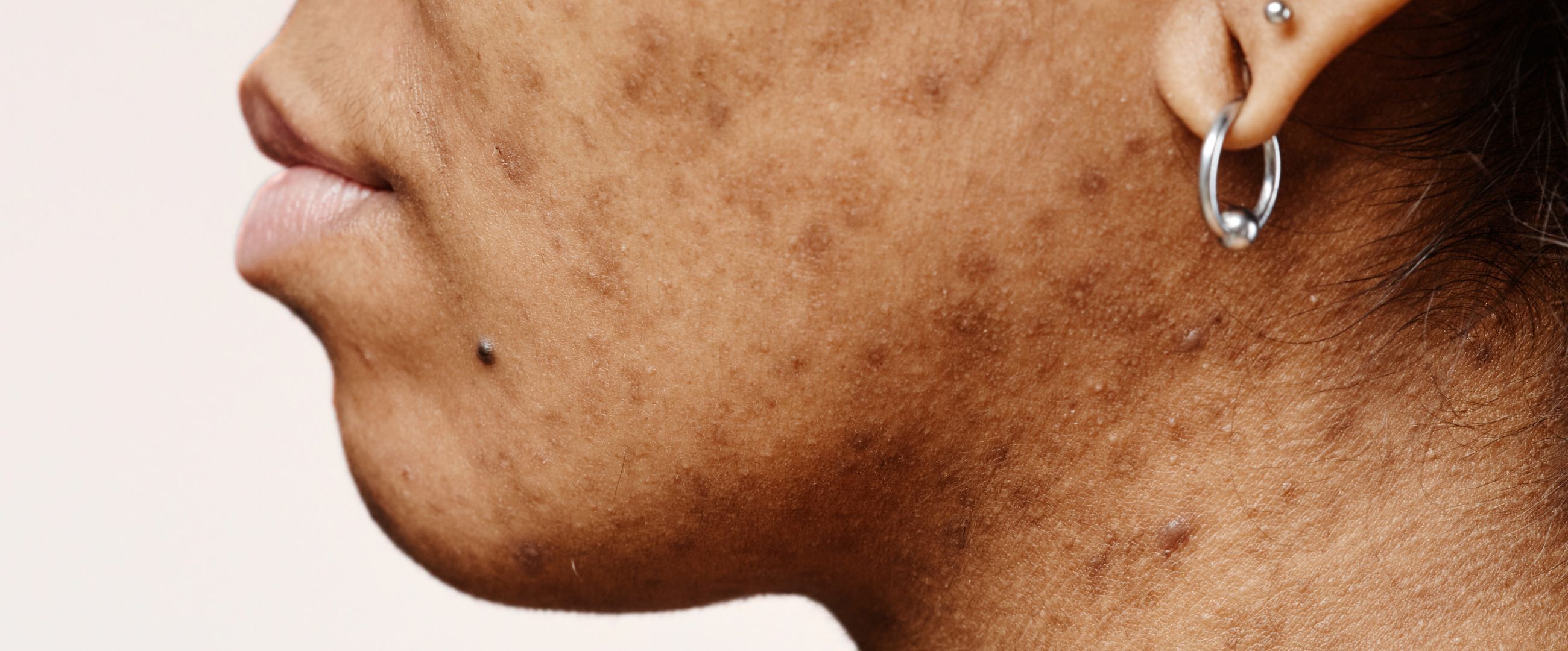
Sun damage, sometimes referred to as age spots, liver spots, or solar lentigines, develops differently. These patches are typically larger and darker than freckles and tend to appear later in life after years of accumulated UV exposure.
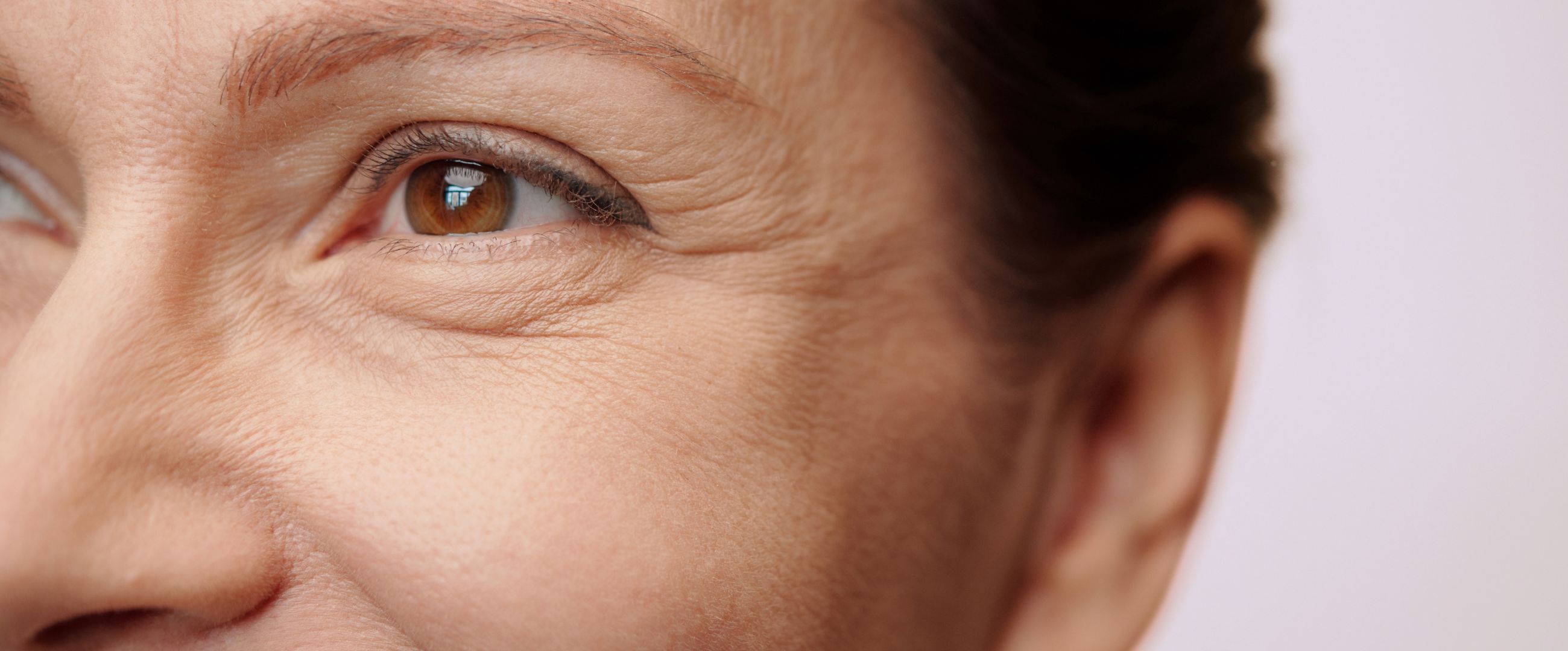
Unlike freckles, these pigmented lesions do not fade in winter. The sun’s ultraviolet rays can damage the DNA within your skin cells, leading to uneven melanin production, redness and blotching, and visible texture changes. Over time, this can contribute to fine lines and wrinkles as collagen fibres break down.
Sun-damaged areas often appear on the face, chest, shoulders, neck and hands, all areas that receive regular sunlight. While generally harmless, it is important to have new or changing skin lesions examined through a professional skin examination to rule out conditions such as actinic keratosis or early signs of skin cancer.
How to Tell the Difference
If you are not sure whether you are seeing freckles or sun damage, here are a few simple ways to tell them apart:
Colour:
Freckles are usually light brown and even in tone. Sun damage appears darker, sometimes grey or deep brown.
Size:
Freckles are small, typically around 1–2mm. Sun spots can be larger, sometimes reaching 1cm or more.
Seasonal Changes:
Freckles darken in summer and fade in winter. Sun damage stays visible all year round.
Age of Onset:
Freckles often appear in childhood or the teenage years. Sun damage tends to develop later, usually from the 30s onwards.
Cause:
Freckles are mostly genetic, made more visible by sun exposure. Sun damage is caused by long-term UV exposure that leads to permanent pigment changes in the skin.
If your freckles have appeared later in life or no longer fade when the seasons change, there is a good chance they are signs of sun damage instead.
Why It Matters
Understanding whether you have freckles or sun damage is not simply cosmetic, it’s about protection. Freckles signal UV sensitivity, while persistent age spots mean your skin has already undergone photoaging.
Repeated sun exposure without SPF protection can worsen skin pigmentation, lead to fine lines and wrinkles, and increase the risk of actinic keratosis or other skin conditions. Prevention and professional assessment are key to maintaining skin health.
Can Laser Treatments Help?
Yes, they can. At PHI Clinic, we use advanced laser technology to safely and precisely target unwanted pigmentation without damaging the surrounding skin.
Lasers work by emitting a specific wavelength of light that is absorbed by excess melanin. The light energy breaks down pigment particles into smaller fragments, which your body then clears naturally over time.
This process is called selective photothermolysis, and it is supported by strong clinical evidence. A study published in The PMFA Journal explains how Q-switched Nd:YAG and picosecond lasers use this principle to treat a wide range of pigmented lesions, including freckles and solar lentigines. The study highlights that these devices can safely lighten or remove pigmentation in as few as one to three sessions, depending on the depth and density of the pigment.
In simple terms, the laser light finds the pigment, breaks it up, and your skin’s natural renewal process removes it gradually.
What to Expect from Treatment
During your consultation, we will assess your skin type, pigment depth, and sun exposure history to decide which laser or light treatment is most suitable for you. The session usually lasts around 20 to 30 minutes, depending on the size of the area being treated.
After treatment, the skin may look slightly red or darkened for a few days as the pigment lifts to the surface before gently flaking away. Most patients describe the sensation as warm rather than painful and can return to their daily routine immediately.
Sun protection afterwards is essential. Apply SPF 50 every day, wear a hat outdoors, and avoid direct sunlight while your skin is healing.
Why Professional Assessment Matters
Not all pigmentation should be treated with lasers. Some darker patches may be melasma, which is hormonally driven, or in rare cases, early signs of something more serious. That is why an experienced practitioner will always assess your skin first, possibly using a dermatoscope or skin scanner, before recommending any treatment.
At PHI Clinic, every treatment plan is fully personalised. We look at your lifestyle, skin tone, medical history, and aesthetic goals before creating a tailored plan to restore an even, healthy complexion.
Your Skin’s Future
The good news is that with the right approach and consistent protection, you can significantly reduce the appearance of both freckles and sun damage. Laser treatments are safe, effective, and designed to work in harmony with your skin’s natural healing process.
Freckles do not need to be removed unless you want them to be. For many people, they are part of what makes their complexion unique. What matters most is keeping your skin healthy, protected, and cared for.
Book a Consultation
If you are unsure whether your pigmentation is freckles, sun damage, or something else entirely, book a consultation at PHI Clinic. Our team of expert practitioners can assess your skin, recommend the right treatment options, and help you achieve clearer, brighter, and more even skin tone with confidence.