What Does a Red or Swollen Nose Mean in Rosacea?
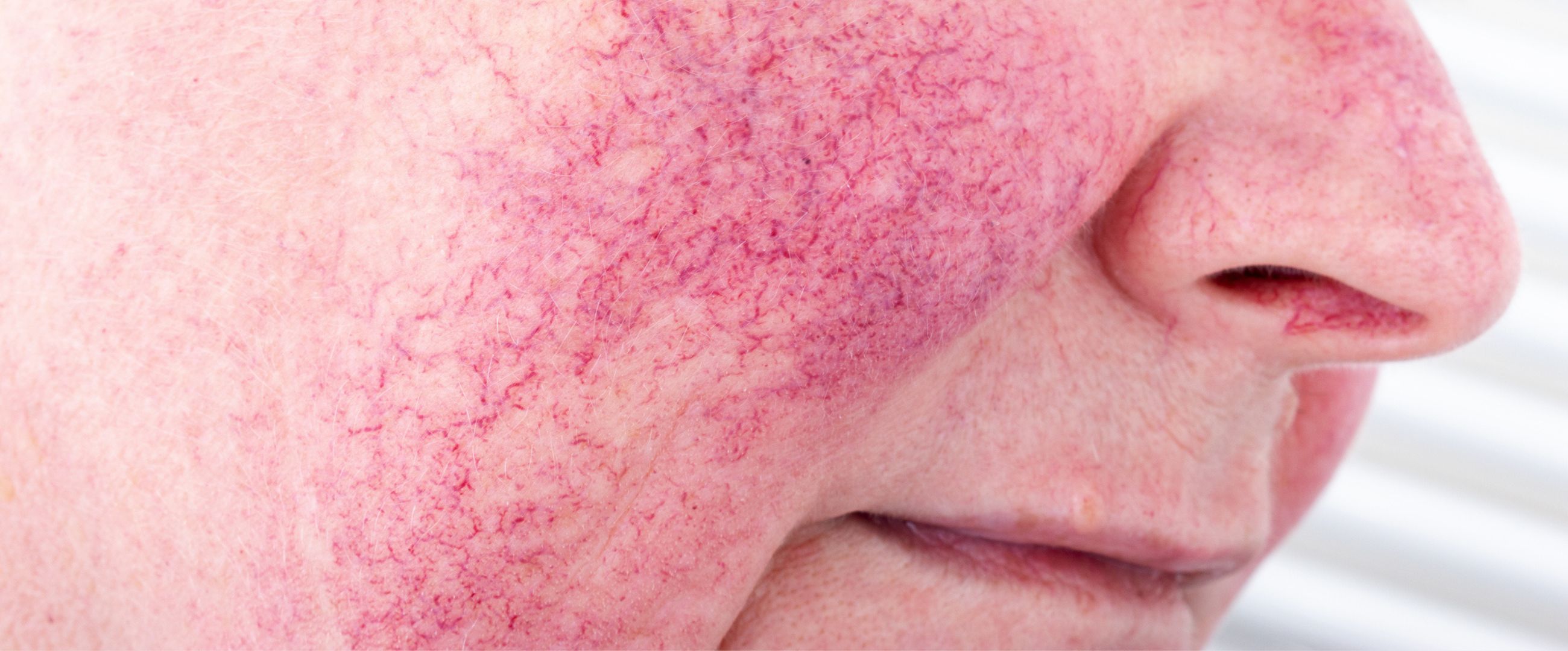
A red or swollen appearance of the nose is a common concern for people researching rosacea. This may present as constant redness, a feeling of fullness, burning, itching, or skin that appears thicker, more uneven, or textured than before.
This presentation is often linked to ongoing inflammation and vascular changes beneath the surface of the skin. In many cases, swelling fluctuates, becoming more noticeable during flare ups triggered by sunlight, alcohol, spicy foods, or emotional stress, and settling slightly between episodes.
Seeing these changes can feel worrying, particularly when they appear to progress slowly with age. Understanding that this is a recognised rosacea pattern helps reduce uncertainty and highlights the value of professional assessment.
What Is Rhinophyma?
Rhinophyma is a more advanced form of rosacea affecting the nose and is part of a subtype known as phymatous rosacea. It involves thickening of the skin, enlargement of sebaceous glands, and changes in skin surface texture. The nose may appear bulbous, coarse, or uneven.
It is important to note that rhinophyma does not develop in most rosacea patients. When it does occur, it is usually the result of long standing, unmanaged inflammation rather than sudden change. In advanced cases, permanent skin abnormalities or scarring may develop.
Awareness of rhinophyma is not meant to cause alarm. Instead, it reinforces why monitoring symptoms, managing triggers, and addressing rosacea early can help reduce the likelihood of more pronounced skin changes over time.
Does Rosacea Affect the Eyes?
Rosacea can affect the eyes in a form known as ocular rosacea. Eye involvement is more common than many people realise and may occur with or without prominent facial redness.
Ocular rosacea can affect the eye surface and surrounding tissues, leading to dryness, burning, itching, bloodshot eyes, irritation, or a gritty sensation. Some patients experience watery eyes, recurrent styes, eyelid inflammation, dry eyes, or visual symptoms such as light sensitivity or blurred vision.
Because these symptoms of discomfort are often attributed to screen use, allergies, or tiredness, ocular rosacea is frequently overlooked. Recognising this connection is an important part of understanding the full range of rosacea symptoms.
Why Ocular Rosacea Is Often Missed
Ocular rosacea is commonly mistaken for dry eye syndrome or blepharitis because the conditions share similar symptoms affecting the eye surface. Facial redness may be mild or absent when eye symptoms first appear.
For some patients, ocular rosacea symptoms develop years before noticeable skin changes. For others, they appear later, once rosacea is already established. This variability makes ocular rosacea harder to identify without a holistic assessment that considers both skin and eye involvement.
Addressing ocular rosacea early helps protect eye comfort, vision, and surface health while reducing the risk of persistent inflammation or scarring.
When Rosacea Affects Both the Nose and Eyes
In some cases, rosacea involves both the nose and the eyes. This combination can feel particularly unsettling, as symptoms affect both appearance and daily comfort.
When multiple areas are involved, it often indicates a more active inflammatory skin condition rather than separate, unrelated concerns. Recognising this pattern ensures that care is coordinated and considers triggers, skin symptoms, and eye symptoms together rather than in isolation.
Professional guidance becomes especially valuable when rosacea affects both facial skin and vision related comfort.
How These Rosacea Subtypes Are Managed
Management of nasal and ocular rosacea depends on the type, severity, and pattern of symptoms present. Simple measures such as trigger awareness, sun protection factor use, gentle skincare, and daily self-care are often the foundation.
Treatment options may include topical support, eye specific care for dryness and inflammation, and advanced treatments such as laser treatment or IPL therapy to address abnormal blood vessels, persistent redness, or skin thickening when appropriate.
A tailored approach ensures that treatments support both skin and eye surface health without worsening sensitivity or triggering further inflammation.
Rosacea Treatment London
Rosacea can affect more than the cheeks. The nose and eyes are commonly involved, leading to symptoms such as persistent redness, swelling, abnormal blood vessels, discoloration, eye irritation, dry eyes, and light sensitivity. These subtypes are an important part of understanding how rosacea presents across different ages and stages.
At PHI Clinic, we appreciate how unsettling these changes can feel, especially when they develop gradually or affect both comfort and confidence. During your consultation, our team takes time to understand your symptoms fully and recommend appropriate treatments based on your individual presentation.
If you would like clarity and reassurance about how rosacea may be affecting your skin or eyes, booking a consultation with our team is a gentle and supportive next step.