First Things First: What Is Rosacea?
Rosacea is a chronic skin condition that commonly affects the cheeks, nose, forehead and chin. It often presents as facial redness, visible capillaries, or small acne-like bumps. Some people also experience burning, stinging or sensitivity to skin care products and changes in temperature. There are four main subtypes of rosacea:
- Erythematotelangiectatic rosacea, which presents as persistent redness and flushing
- Papulopustular rosacea, which includes inflammatory bumps and spots
- Phymatous rosacea, which leads to thickened skin, especially around the nose
- Ocular rosacea, which affects the eyes and eyelids and may cause eye problems or eye irritation
What causes rosacea is still not fully understood, but factors such as genetics, immune system response, vascular system sensitivity and environmental triggers all play a role.
Does Rosacea Progress with Age?
For many patients, the answer is yes. Rosacea often begins mildly in the late twenties or thirties and can worsen gradually with time. If left untreated, symptoms may become more persistent and more visible.
Early rosacea may show up as occasional flushing or redness that fades. But over time, repeated flare-ups can lead to more permanent redness, spider veins, and thickened skin. This progression tends to be more common in those who delay treatment or who are regularly exposed to known triggers such as UV radiation and hot drinks without managing them.
That said, not everyone will experience worsening symptoms. Some people maintain mild rosacea for years without significant changes. Others find their rosacea flares more frequently in midlife or becomes more difficult to control.
Why Might Rosacea Get Worse?
There are a few reasons why rosacea can become more pronounced with age:
Cumulative Sun Exposure
Over time, UV light exposure weakens blood vessel walls and contributes to inflammation and skin damage. Without daily sun protection, rosacea-prone skin is more likely to show signs of worsening redness and visible capillaries.
Skin Barrier Decline
As we age, the skin naturally produces less collagen and fewer lipids that support the barrier. This can lead to increased sensitivity, dryness and irritation, all of which can worsen rosacea symptoms.
Hormonal Changes
Hormonal shifts, particularly around menopause, can increase facial flushing and reactivity in some patients. Hot flushes, temperature changes and skin dryness may all play a role.
Delayed Diagnosis or Treatment
When rosacea is not addressed early, inflammation can continue unchecked, leading to more pronounced symptoms and potential acne scarring or skin thickening in later years.
Can Rosacea Be Controlled Long Term?
Yes. The key to managing rosacea effectively is early intervention and a personalised treatment plan. While rosacea may not disappear completely, it can be significantly improved and maintained with the right approach.
Our rosacea treatments are tailored to your skin type, triggers and concerns. We combine medical knowledge with advanced technology to calm inflammation, support the skin barrier and reduce the visibility of redness and bumps.
What Treatments Help Prevent Worsening?
Depending on your symptoms, we may recommend one or a combination of the following:
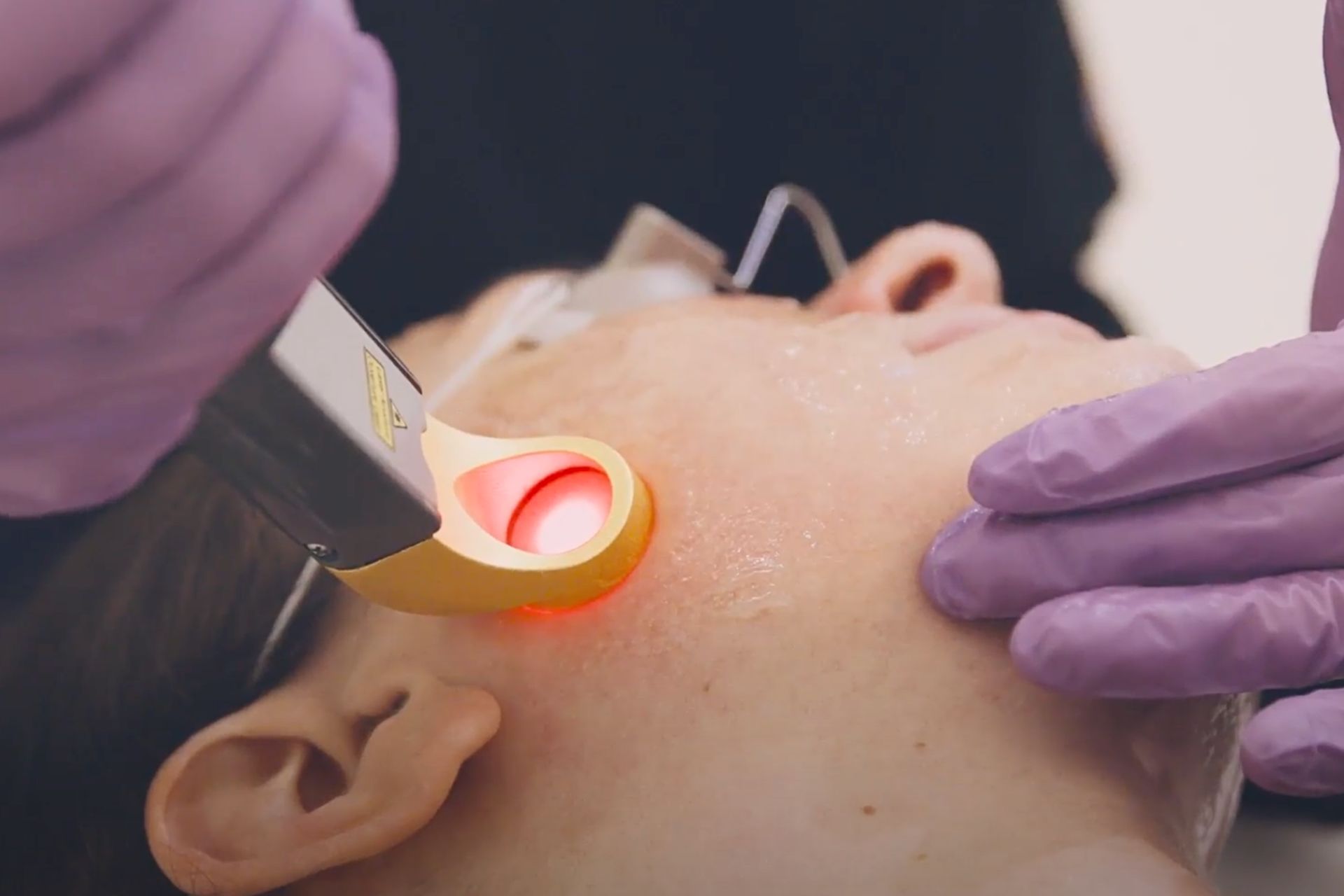
Laser Therapy
Laser therapy, including vascular lasers or IPL (Intense Pulsed Light), is a powerful tool to reduce facial redness and visible capillaries. These treatments work by targeting dilated blood vessels, helping to restore a more even skin tone. They can also prevent the long-term build-up of damage that makes rosacea harder to treat later.
Topical Creams and Oral Treatments
For inflammatory rosacea with bumps or pustules, we may prescribe topical creams such as azelaic acid or metronidazole. In more persistent cases, a short course of oral treatments like low-dose antibiotics or anti-inflammatory medication may be appropriate.
Skin Care Routines
Sensitive, rosacea-prone skin benefits from gentle but effective daily care. Our in-clinic experts can recommend fragrance-free, non-comedogenic formulas designed to calm, hydrate and protect. Ingredients like niacinamide, green tea extract and ceramides can help support the barrier and reduce reactivity over time. Tailored skin care routines can also help prevent future flare-ups.
Trigger Management
Identifying what worsens your rosacea is vital. Common triggers include alcohol, hot drinks, spicy food, extreme heat or cold, UV radiation, and emotional stress. Keeping a skin diary and working with your practitioner can help pinpoint the most important factors for you.
Is Rosacea More Common in Older Skin?
Rosacea tends to emerge in adulthood, most commonly between the ages of 30 and 50. However, it can be mistaken for other conditions such as adult acne or general sensitivity, especially in its early stages.
As we age, the skin becomes more vulnerable to inflammation, and this may make rosacea symptoms more noticeable. If you are over 40 and experiencing redness, bumps or stinging that does not respond to over-the-counter products, it is worth getting a professional assessment.
If you feel that your rosacea is getting worse, or you are struggling to keep flare-ups under control, a consultation can offer clarity and direction. Our Harley Street team specialises in treating rosacea at all stages, combining aesthetic treatments with medical insight for safe and effective care. In some cases, skin camouflage options may also be explored to temporarily reduce visible redness.
Progress Is Possible with the Right Approach
Rosacea can worsen with age if not managed properly, but it does not have to. With the right support, education and treatments, most patients can keep their symptoms well under control and even improve their skin over time.
If you are ready to reduce redness, restore comfort and feel more confident in your skin, book a consultation with PHI Clinic in London today.