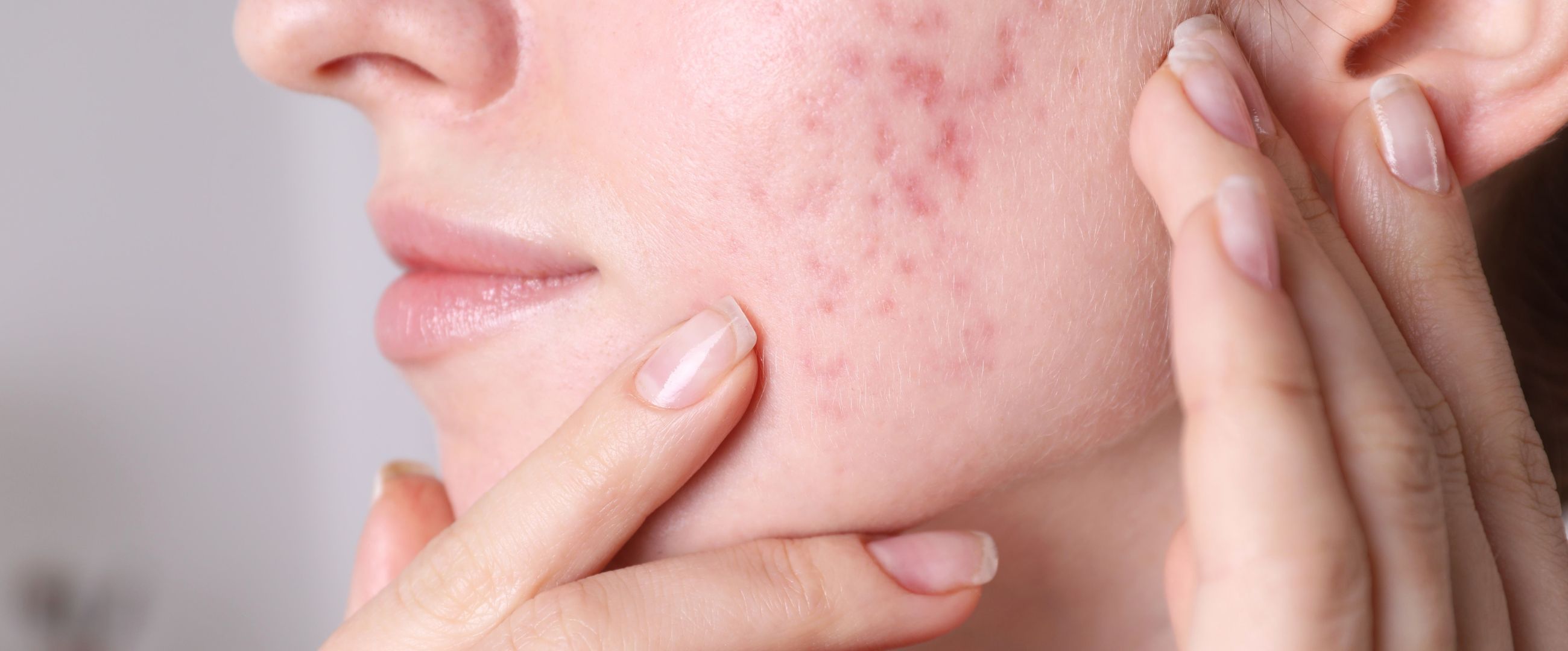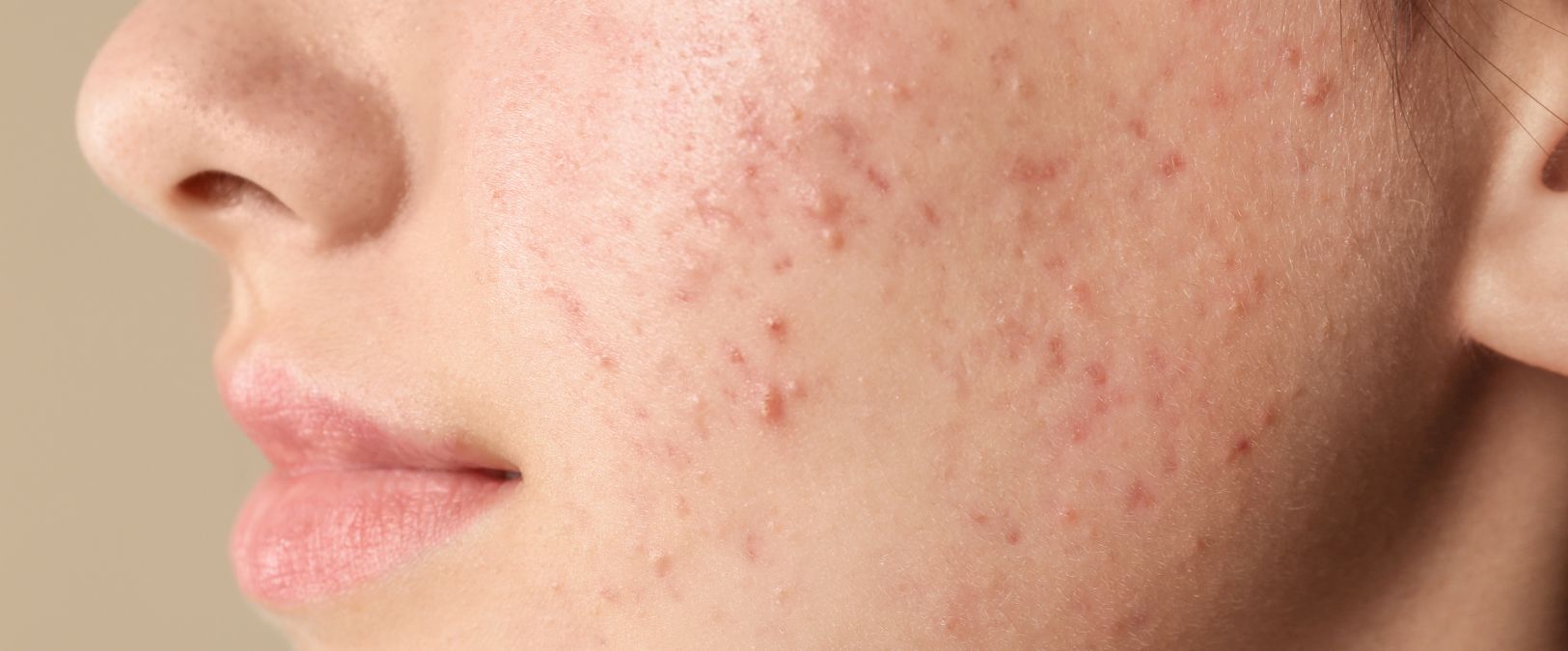
Acne rosacea is a complex skin disorder characterised by persistent redness, visible blood vessels, and inflammatory lesions. The condition primarily affects the facial skin but can also involve the eyes, leading to ocular rosacea. Common symptoms of rosacea include facial redness, papules, pustules, and in severe cases, thickened skin, particularly on the nose (phymatous rosacea).
Types of Rosacea
There are four main types of rosacea:
1. Erythematotelangiectatic Rosacea: Characterised by persistent redness and visible blood vessels.
2. Papulopustular Rosacea: Similar to acne, this type features red bumps and pustules.
3. Phymatous Rosacea: Involves skin thickening and the development of excess tissue, particularly on the nose.
4. Ocular Rosacea: Affects the eyes, causing dryness, irritation, and swollen eyelids.
Common Triggers and Symptoms
People with rosacea often experience flare-ups triggered by various environmental and lifestyle factors. Common triggers include hot baths, cold temperatures, spicy foods, alcohol, stress, and sun exposure. Symptoms of rosacea can range from mild to severe and include:
•Persistent facial redness
•Visible blood vessels
•Papules and pustules
•Thickened skin
•Dry, sensitive skin
•Eye symptoms such as dryness and irritation
Treatment Options for Rosacea
Managing rosacea involves a combination of lifestyle modifications and medical treatments tailored to the individual’s symptoms and skin type. Dr. Tapan Patel offers a range of treatment options at PHI Clinic to help patients achieve the best possible outcomes.
How to get rid of rosacea at PHI Clinic London?
Here at PHI Clinic we have a range of treatment options with an in-depth treatment process to help maintain and manage signs of rosacea, facial redness, acne rosacea and more.
From a thorough consultation and skin analysis with Visia, our team of highly trained clinicians will advise the best course of treatment for you.
Laser treatment for rosacea
excelV+
By utilising a high-powered green laser, the Excel V+ treatment targets any irregularities in blood vessels and pigmentation. As a result, it helps the skin to regain a more natural and even complexion.
V Beam
V Beam, or Pulsed Dye Laser, emits lengthy pulses of energy directed towards the epidermis - the skin's outermost layer - that is attracted to any redness on the skin. This technology coagulates the blood and cauterises veins to diminish the flushed appearance commonly associated with rosacea.
M22
Intense Pulsed Light, commonly known as IPL, is a light therapy in the M22 that employs powerful pulses of light to target and treat various skin concerns. This enables us to address acne, rosacea, thread veins and various types of pigmentation in order to improve texture and tone.
Topical Treatments
Topical medications are often include:
•Metronidazole: An anti-inflammatory agent that reduces redness and swelling.
•Azelaic Acid: Helps to clear up pimples and redness.
•Ivermectin: Effective against Demodex folliculorum, a mite associated with rosacea.
Oral Treatments
For more severe rosacea, oral antibiotics such as doxycycline can be prescribed for their anti-inflammatory effects. In cases where oral treatment is necessary, the systemic side effects are carefully monitored to ensure patient safety.
Lifestyle and Home Remedies
Managing rosacea also involves identifying and avoiding common triggers. Patients are advised to:
•Use gentle skincare products and avoid skin scrubs.
•Protect the skin from extreme temperatures.
•Use sunscreen daily.
•Keep a diary to identify specific triggers.
Advanced Interventions for Rosacea
For patients with more severe symptoms, such as phymatous rosacea or significant skin thickening, advanced interventions may be required. These can include surgical options to remove excess tissue and restore a more natural appearance.
Neurogenic rosacea, a less common type, involves nerve-related symptoms such as burning or stinging sensations. Treatment often requires a multidisciplinary approach, including medications to manage nerve pain.
The Importance of Professional Care
Seeking treatment from a qualified healthcare professional is crucial for effective management of rosacea. Dr. Tapan Patel and his team at PHI Clinic are dedicated to providing personalised care based on the latest scientific research. Their extensive experience ensures that each patient receives the highest level of care and achieves significant reduction of symptoms.
Acne rosacea is a challenging condition, but with the right treatment approach, it is possible to manage and reduce symptoms effectively. At PHI Clinic in London, Dr. Tapan Patel offers a comprehensive range of treatments. By understanding the triggers and symptoms of rosacea, and seeking professional treatment, people with rosacea can achieve a significant improvement in their skin condition.