First, What Exactly Is Rosacea?
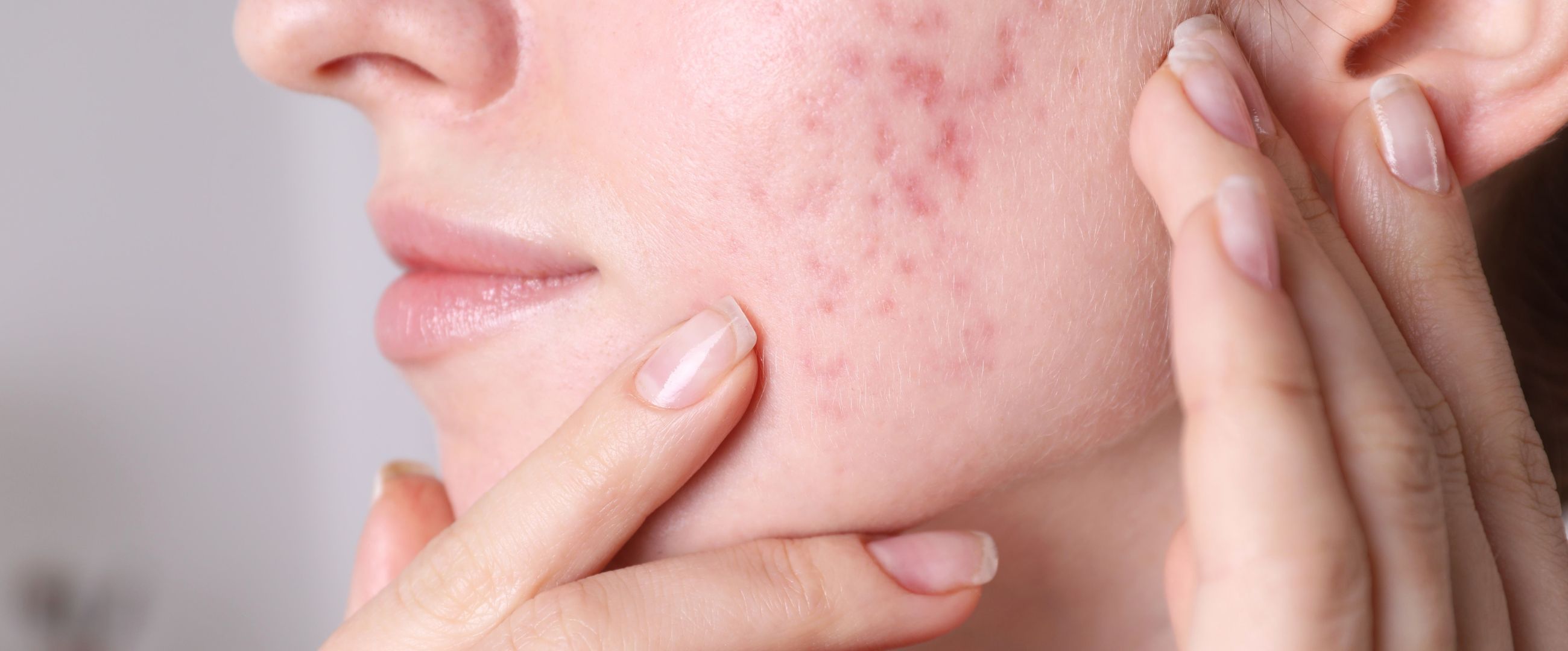
Rosacea is a chronic inflammatory skin condition that typically affects the central face, especially the cheeks, nose, chin and forehead. It can also affect the eyes, causing dryness, eye irritation and a gritty sensation. There are four main subtypes of rosacea:
- Erythematotelangiectatic rosacea: Characterised by persistent redness and visible blood vessels.
- Papulopustular rosacea: Includes bumps and pustules that resemble acne.
- Phymatous rosacea: Involves thickened skin, often around the nose.
- Ocular rosacea: Affects the eyes and eyelids.
While the exact cause remains unknown, several environmental triggers and contributing factors are known to make symptoms worse, including UV exposure, spicy foods, alcohol, emotional stress, and extreme temperatures. Sun overexposure is one of the most common culprits that patients report during flare-ups, and many people also wonder whether rosacea gets worse with age. While symptoms can progress over time if left untreated, effective treatment and lifestyle strategies can help keep it well controlled.
Can You Permanently Cure Rosacea?
There is currently no known permanent cure for rosacea. However, that does not mean you are stuck with it. With the right combination of medical treatments and lifestyle strategies, rosacea can be managed incredibly well. Many of our patients experience significant improvement in both symptoms and skin appearance with a carefully tailored skincare plan.
In other words, while you may not be able to make rosacea disappear forever, you can reduce its visibility, lessen its impact, and regain control over your skin.
What Are the Most Effective Treatment Options?
We take a personalised, medically-led approach to treating rosacea. Depending on the type and severity of your condition, we may recommend one or a combination of the following:
Laser Treatment
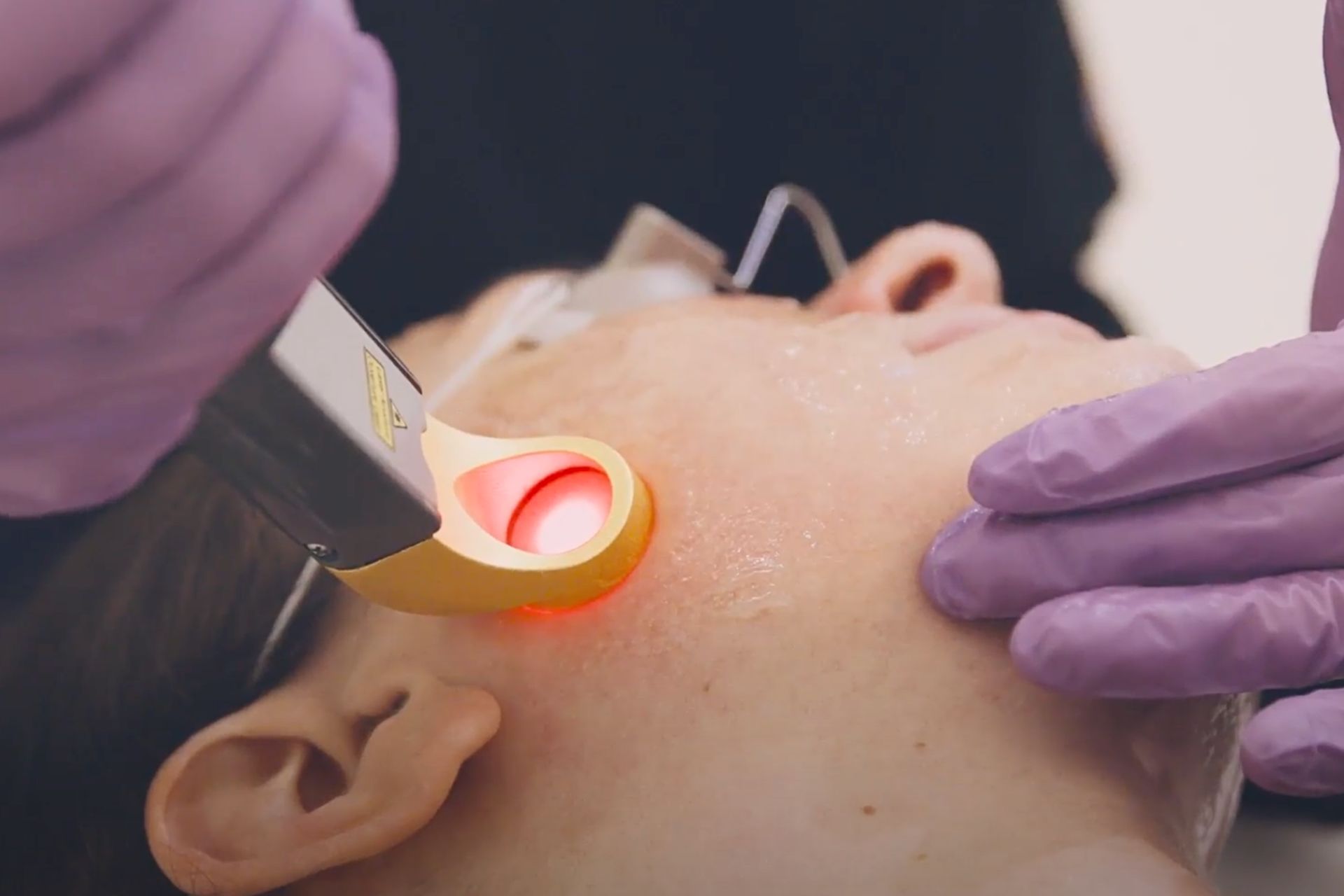
Laser therapy, particularly vascular lasers like the Excel V or pulsed dye laser, can effectively reduce facial redness, target visible blood vessels and improve skin texture. These treatments work by gently heating the skin to collapse dilated capillaries and promote healthier circulation. In some cases, laser facial resurfacing may also be used to improve skin tone and smoothness.
Patients often require a course of sessions for best results, with maintenance appointments every 6 to 12 months. Laser treatment is one of the most powerful treatment options for those with persistent redness and flushing.
Prescription Topicals and Oral Medication
Certain topical medications and gels can help calm inflammation, reduce pustules and ease burning or stinging sensations. Ingredients such as metronidazole, azelaic acid and benzoyl peroxide are commonly used.
In more severe cases, low-dose oral antibiotics or anti-inflammatory medications may be prescribed to bring symptoms under control. These are especially helpful for papulopustular rosacea.
Lifestyle Adjustments
Managing rosacea long term means identifying and avoiding personal triggers. This may include:
- Wearing broad-spectrum sunscreen products with SPF 50 daily to protect sensitive skin
- Avoiding spicy foods, hot drinks and alcohol if they cause flare-ups
- Managing emotional stress through gentle exercise, mindfulness or sleep routines
- Using fragrance-free, non-irritating skincare products formulated for sensitive skin
- Keeping a symptom diary can be helpful to track what worsens or improves your rosacea over time.
Advanced Skincare
We often recommend medical-grade skincare products to support skin health between in-clinic treatments. Gentle cleansers, hydrating serums and barrier-repair moisturisers can all play a role in reducing inflammation and protecting delicate skin.
Ingredients like niacinamide, ceramides and green tea extract may help soothe the skin and reinforce its natural defences. For some patients, specially formulated skin camouflage solutions may also help minimise visible redness in day-to-day life.
Are There Any New Innovations for Rosacea?
The field of dermatology is constantly evolving. Some emerging treatments include:
- Light-based therapies such as intense pulsed light (IPL) for redness reduction
- Probiotic skincare to support the immune system and skin microbiome
- Prescription skincare tailored specifically to rosacea-prone skin
While none of these offer a guaranteed cure, they may offer added support when used alongside your main skincare plan.
How Long Until You See Results?
This depends on the severity of your rosacea and the treatments chosen. Some patients notice visible improvements within a few weeks, especially with topical medications or oral prescriptions. Laser treatments may show gradual changes over several months, with smoother, clearer skin emerging after each session.
Consistency is key. Following your treatment plan carefully and avoiding known environmental triggers can significantly improve your chances of long-term success.
When Should You Seek Help?
If redness, burning, or breakouts are interfering with your day-to-day life, or if over-the-counter products are not helping, it is time to see a medical doctor. We offer a full assessment of your skin type, symptoms and medical history before creating a bespoke plan that works for you.
In Summary
Rosacea may not have a permanent cure, but that does not mean it cannot be treated effectively. With the right combination of advanced treatments, daily self-care tips, and targeted skincare products, you can significantly reduce the appearance and impact of rosacea.
Our team at PHI Clinic in London is here to guide you through that process, offering expert advice and specialist treatments from our Harley Street clinic. If you are ready to take the first step toward clearer, calmer skin, book a consultation today.