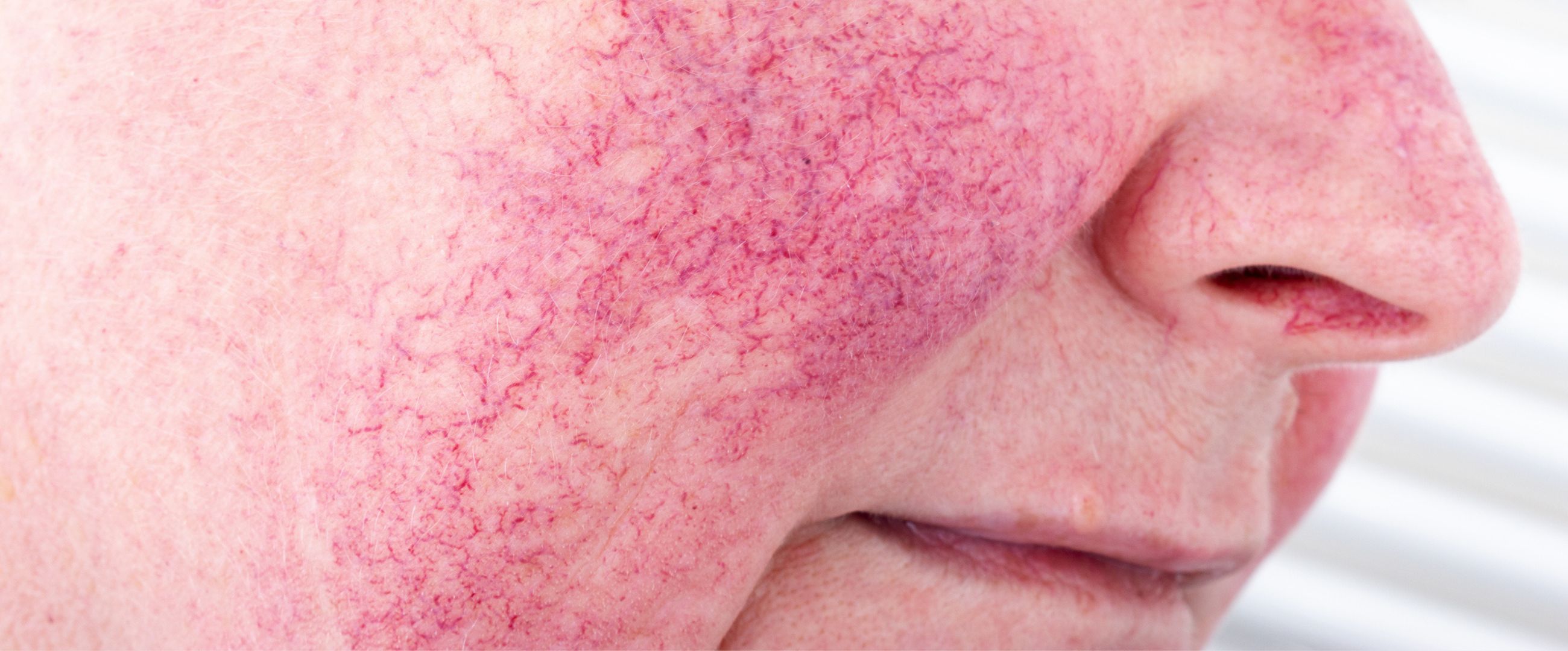
Why Do Rosacea Flare Ups Happen?
Rosacea flare ups occur because the skin’s natural response systems, including the immune system, are more sensitive than usual. In rosacea prone skin, blood vessels near the surface react strongly to stimulation. They widen more easily and stay dilated for longer, leading to persistent skin redness and warmth.
At the same time, the skin barrier is often compromised. This makes it easier for environmental factors, temperature changes, sunlight, and topical skin care products to trigger inflammation. The immune system may overreact, increasing redness, burning sensations, and worsening of existing rosacea symptoms. In some cases, people may also experience ocular rosacea, where the eyes feel dry, irritated, or inflamed.
Over time, repeated flare ups can contribute to more persistent redness and changes in skin texture. This is why understanding early triggers is so important. For a broader look at how rosacea presents and how it differs from acne, you can explore our overview of rosacea symptoms.
Common Rosacea Triggers
Heat and Rosacea
Heat is one of the most frequently reported rosacea triggers. Hot weather, central heating, saunas, steam rooms, and hot showers all raise skin temperature quickly. In rosacea prone skin, this causes blood vessels to expand rapidly, leading to flushing, discomfort, and increased skin redness.
Even everyday activities like cooking over a hot stove or drinking very hot beverages can trigger a reaction. Many people notice their condition feels worse during summer months or when moving between cold outdoor air and warm indoor spaces.
Facial Flushing and Rosacea
Facial flushing is often the first sign people notice when researching rosacea. It can appear suddenly, feel intense, and take much longer to fade than normal blushing. This happens because rosacea affects how blood vessels and the immune system respond to internal and external signals.
Triggers such as temperature changes, embarrassment, anxiety, physical exertion, or environmental factors can all cause flushing. Over time, repeated flushing episodes may contribute to more visible skin redness and sensitivity across the cheeks, nose, chin, or forehead.
Alcohol and Rosacea
Alcohol is a well known rosacea trigger, particularly red wine and spirits. Alcohol causes blood vessels to widen and increases blood flow to the skin, which can intensify flushing and redness.
Some people notice flare ups almost immediately, while others experience delayed redness later in the day. Sensitivity varies widely, which is why some individuals tolerate certain drinks better than others. Understanding how alcohol affects your condition is often part of the early research process.
Stress Related Rosacea Flare Ups
Stress is a powerful trigger for many inflammatory skin conditions, including rosacea. Emotional stress activates the nervous system and influences the immune system, releasing hormones that increase blood vessel reactivity and inflammation.
Stress related rosacea flare ups often feel sudden and may present as warmth, burning, or widespread flushing. For many people, stressful periods make existing skin redness harder to control, even when other triggers are avoided.
Diet and Food Triggers
Dietary triggers are commonly linked to rosacea flare ups. Spicy foods, hot meals, alcohol, and foods high in histamines can all increase blood vessel dilation and skin sensitivity.
Not everyone reacts to the same foods, which is why personal patterns matter more than universal rules. Many people in the research phase find it helpful to observe how their skin reacts after meals rather than eliminating foods immediately. Tracking dietary triggers can provide valuable details when seeking professional advice later.
Sun Exposure and Sunlight
Sun exposure is one of the most consistent rosacea triggers. UV radiation from sunlight increases inflammation, weakens the skin barrier, and makes blood vessels more reactive. Even short periods of unprotected exposure can worsen skin redness and sensitivity.
This is why daily sun protection is often recommended for rosacea prone skin. Using a broad spectrum sunscreen with a sun protection factor or SPF 30 can help reduce flare ups. Consistent sun protection is important year round, not just in summer.
Skincare and Topical Triggers
Skin care plays a major role in managing rosacea triggers. Certain skincare products can either support or irritate rosacea prone skin. Harsh cleansers, fragranced formulas, alcohol based products, and strong active ingredients may trigger flushing or stinging.
Over exfoliation and frequent product changes can weaken the skin barrier and increase sensitivity. Many people discover that simplifying their skin care routine and carefully selecting skin care products, including gentle creams and non irritating skincare products, helps reduce unexplained flare ups.
Why Identifying Rosacea Triggers Matters
Understanding what causes rosacea flare ups allows you to make informed choices long before treatment is considered. Many people experience fewer and milder flare ups simply by recognising and avoiding their strongest triggers, including environmental factors, dietary triggers, and unsuitable skincare products.
This knowledge also provides valuable context if professional advice is sought later, whether from a practitioner, dermatologist, or specialist support team. It helps guide personalised rosacea treatment plans, including topical cream options or laser treatment, that address both symptoms and underlying causes rather than focusing on redness alone.
If facial redness is your primary concern, our resource on facial redness treatment London offers additional information.
When to Seek Professional Advice
If flare ups become more frequent, increase in severity, linger for longer periods, or begin to affect the eyes, professional assessment can help clarify what is driving the changes. Early guidance can help prevent progression, reduce the risk of long term changes such as visible vessels or scar formation, and support long term skin health.
Rosacea flare ups are rarely random. They are most often triggered by factors such as heat, alcohol, stress, sunlight, diet, skin care choices, and other environmental factors. Understanding what causes these flare ups is an important first step in making sense of ongoing skin redness, flushing, sensitivity, and discomfort.
At PHI Clinic, we see how powerful this information can be. By identifying individual rosacea triggers and understanding how they affect your condition, our clinicians are able to take a more personalised and informed approach to care. This ensures that treatment decisions are based not just on visible symptoms, but on the underlying causes driving them.
If you are ready to explore your redness treatment options further, our support team at PHI Clinic offers expert assessment and evidence based approaches tailored specifically to rosacea prone skin. You can book a consultation to discuss personalised next steps.