

Acne scars: causes and symptoms
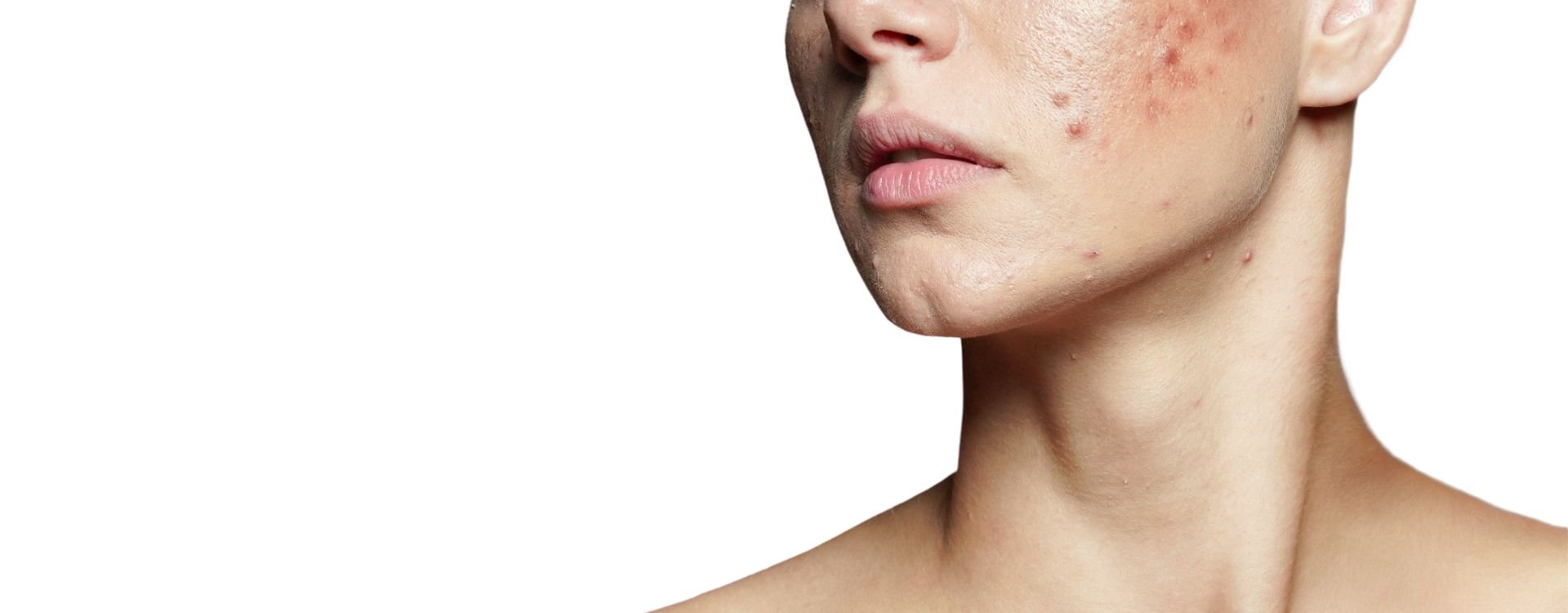
It is estimated that around 80% of people aged 11–30 will experience an acne breakout at some stage, most commonly triggered by hormonal changes in puberty or pregnancy. Acne is an inflammatory dermatological disorder that occurs when sebaceous glands produce excess sebum, leading to clogged follicles filled with oils, bacteria such as Propionibacterium acnes, and debris. This can result in pimples, whiteheads, blackheads, and inflammatory acne lesions.
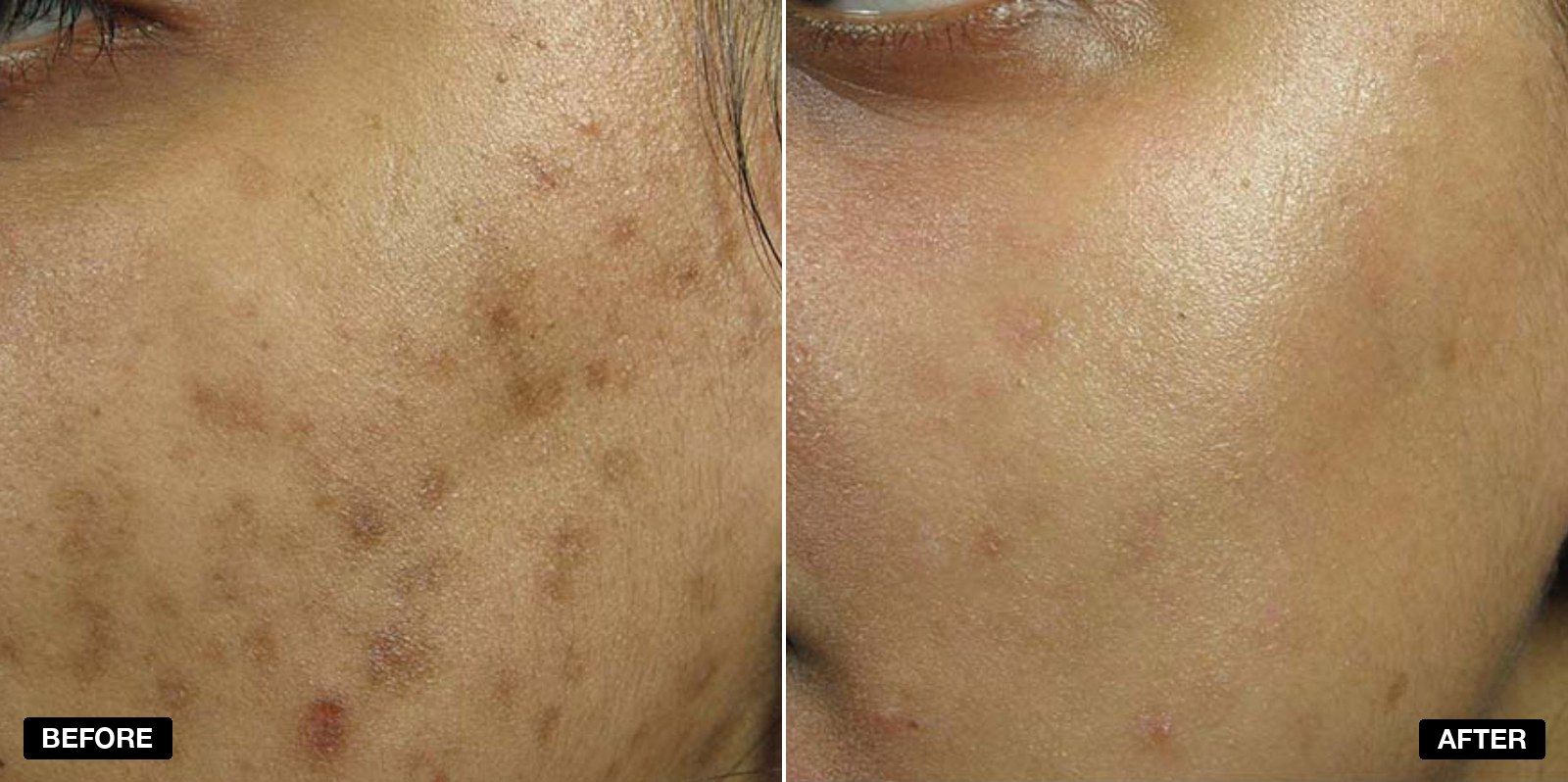
When active acne subsides, scars are often left behind. Acne scars are typically caused by picking or scratching at pimples, which can damage skin tissue and create long-lasting skin defects. Depending on the depth of damage, scars may appear as crater-like depressions such as rolling scars, ice pick scars, or boxcar scars, or as raised areas like hypertrophic burn scars, keloidal scars, or erythematous/hypertrophic and pigmented scars. Newly formed scars often look red due to post-inflammatory pigmentation.
The psychological impact of atrophic acne scarring can be profound, with many people feeling self-conscious about visible indents and uneven skin texture. Scar management is therefore a vital part of acne treatment.

Acne scarring transformations
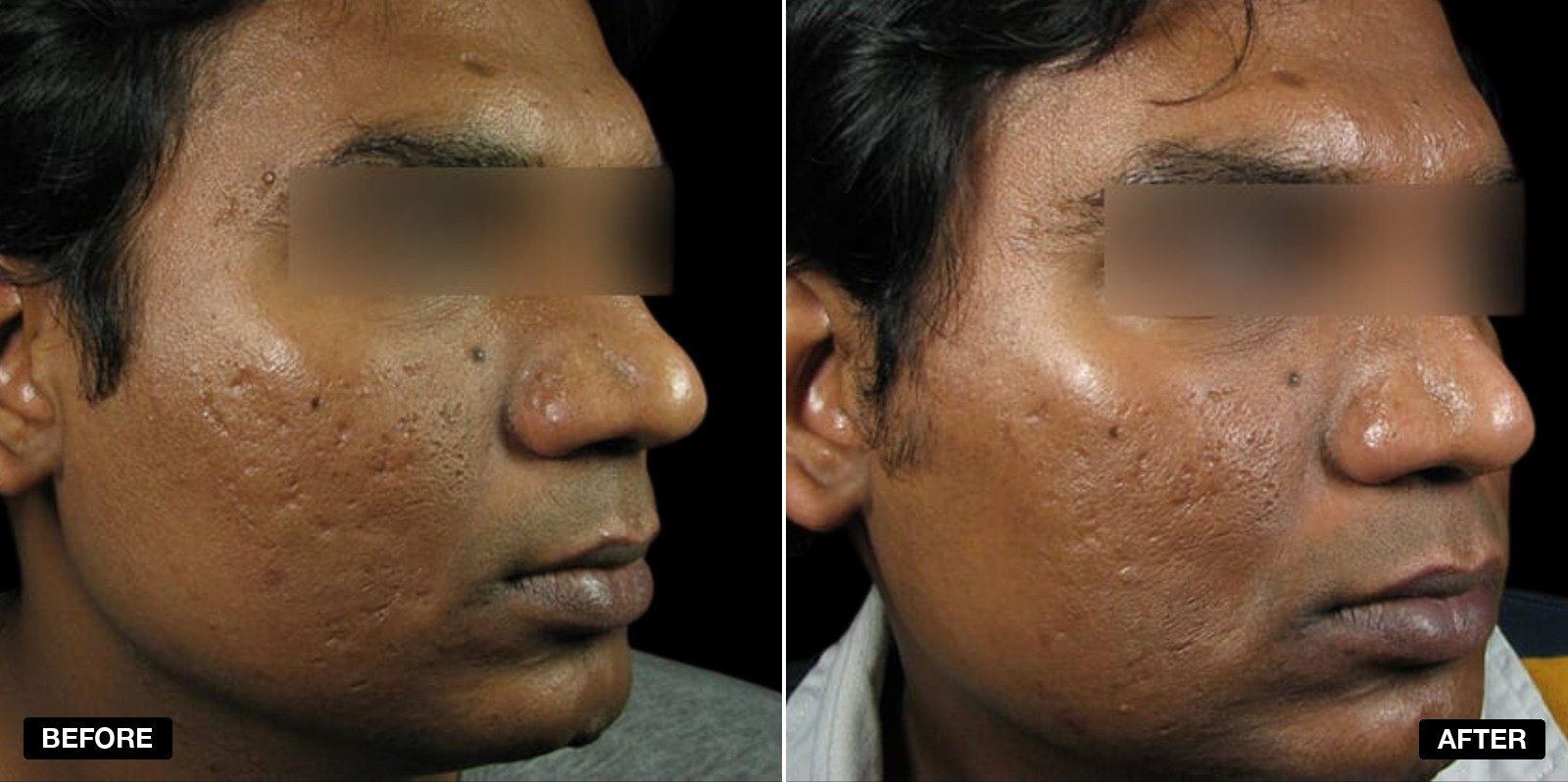
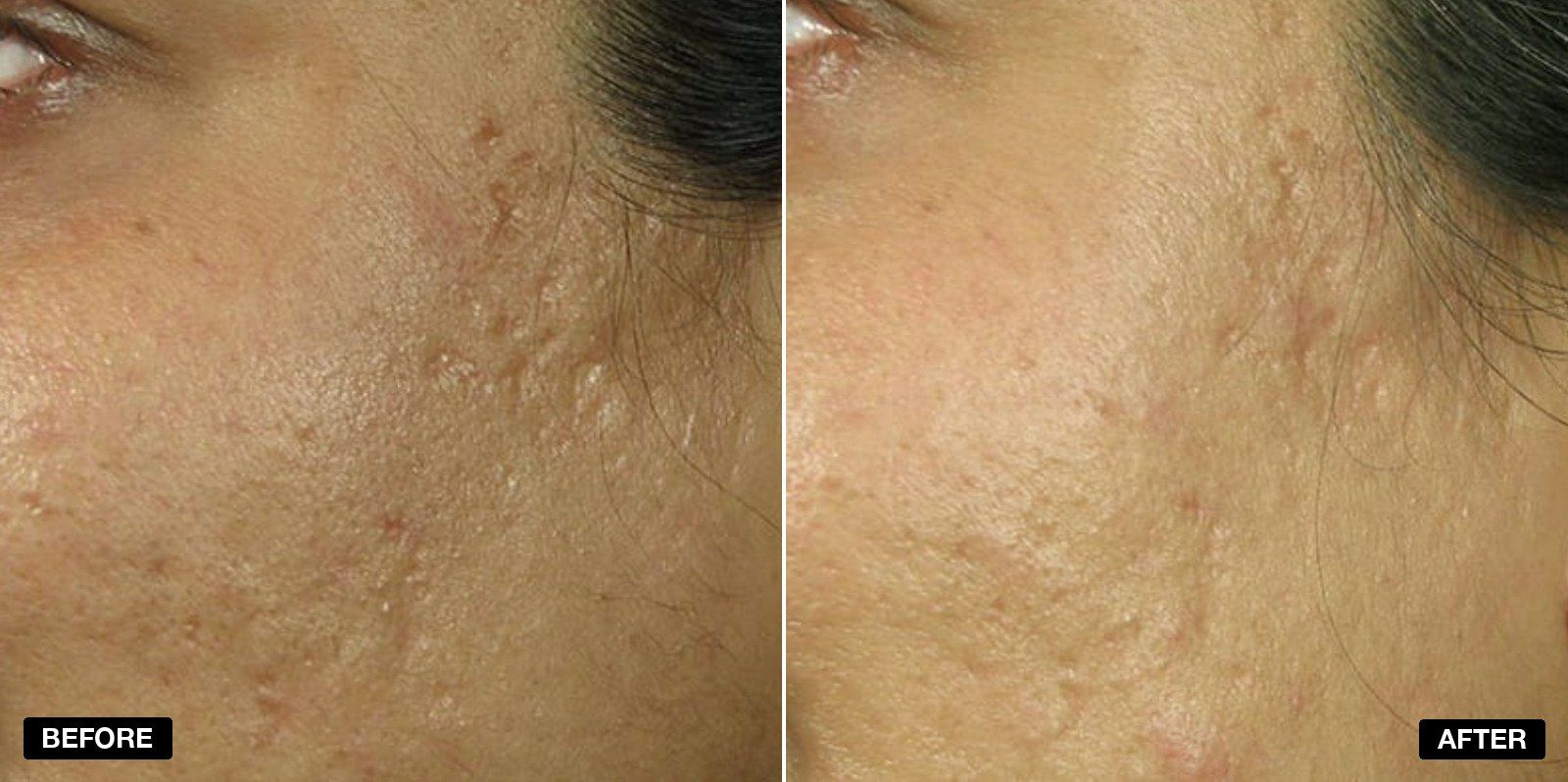
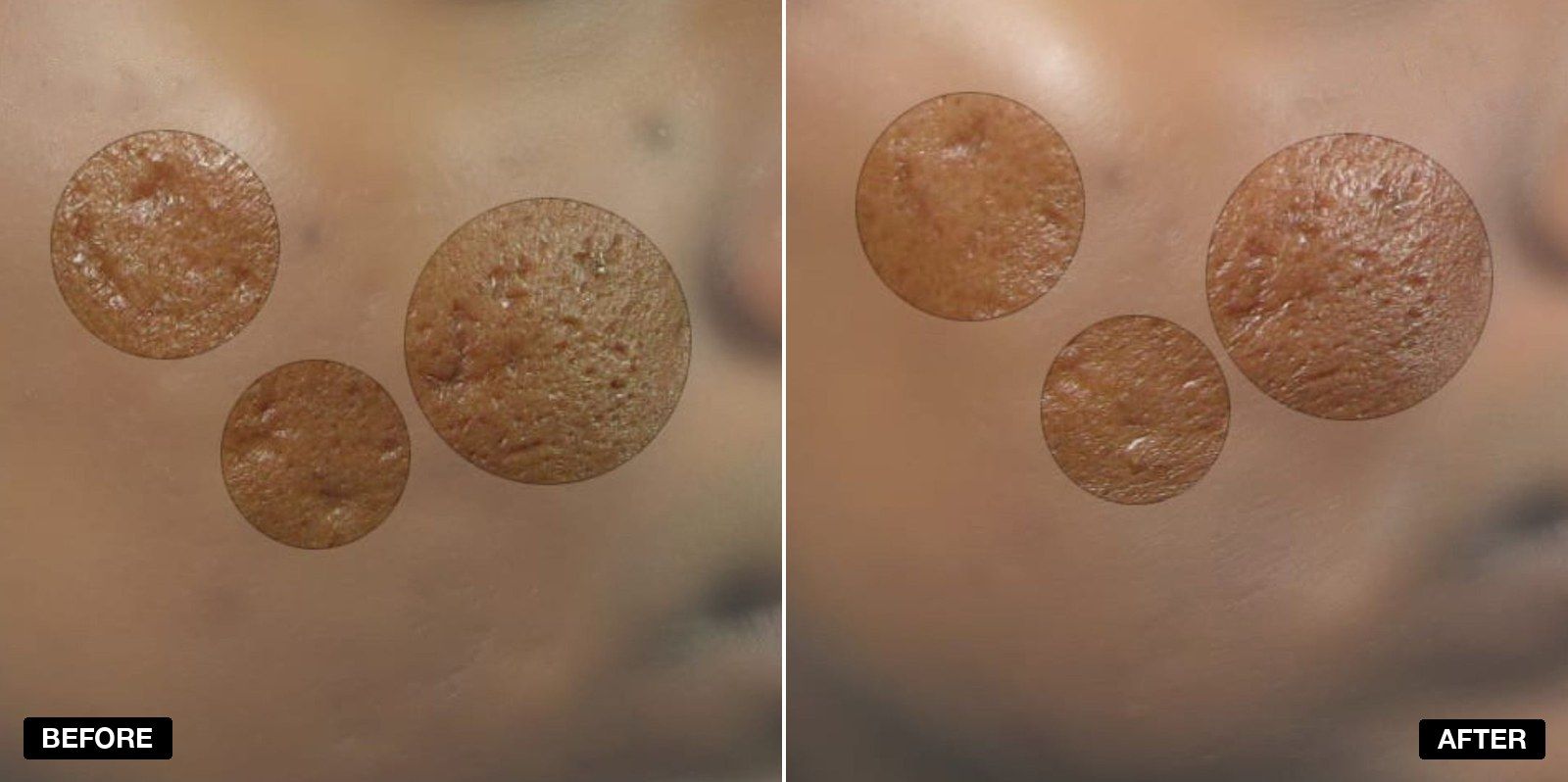
Acne scar treatment
Unfortunately, acne scar treatment is considered cosmetic surgery in the UK and is not available through the NHS. Acne scarring is a specialist area of dermatology, requiring a bespoke plan for optimum treatment response. Since most people present with more than one type of scar, a combination of therapies is often required to achieve the best outcome.
At PHI Clinic London on Harley Street, our dermatologists and acne scarring experts create tailored treatment plans to address all types of scarring, including atrophic acne scarring, hypertrophic scars, and ice pick scarring. We use advanced medical procedures such as fractional laser therapy, fractional photothermolysis, Advanced laser resurfacing treatments to stimulate collagen and improve scar appearance.and subcision alongside non-invasive methods like chemical peels, skin needling, and dermal fillers.
Collagen-stimulating injectables such as Poly-Lactic Acid and Hyaluronic Acid Gel can also be used to improve skin defects by supporting dermal repair. In some cases, Botox may be considered for scar softening when muscular activity affects the skin.
Our approach to scar management combines clinical precision with cutting-edge technology, ensuring that every patient receives safe, effective treatment for their unique skin type and scar presentation.
Secret RF PRO: CO2 laser energy treatment
Secret RF PRO combines fractional CO2 laser resurfacing with radiofrequency skin needling to regenerate collagen, improve tissue remodelling, and minimise scar tissue. This dual approach ablates the epidermis while stimulating deeper dermal repair. It is particularly effective for rolling scars, boxcar scars, and other atrophic acne scarring.
Patients may experience redness, swelling, or crusting during the healing process. Local anesthesia and cooling devices are used for comfort.
UltraClear laser treatment
UltraClear is a ground-breaking new laser that can be used to treat acne scarring, among many other skin concerns. It stimulates tissue regeneration to smooth out pitted skin safely and effectively. It is the first resurfacing laser to be FDA approved for treating all skin types and tones. It uses a new wavelength developed to be more comfortable for the patient, as well as safe for all skin tones.
UltraClear is a unique ‘cold laser’ beam which minimises post-inflammatory hyperpigmentation and other thermal-induced side effects which are common in darker skin types. The deeper setting is used to treat acne scarring as well as deep lines and wrinkles. The laser ablates the surface layer of the skin, which triggers a healing response. This stimulates new collagen production to fill in pitted scars, which gives skin a smoother appearance and texture. Downtime for acne scar treatments with UltraClear is far less than traditional ablative laser therapy.
V Beam a Pulsed Dye Laser treatment
V Beam is a pulsed light source treatment designed to reduce redness in scar tissue. It is especially effective for erythematous scars, hypertrophic sternotomy scars, and newly formed hypertrophic burn scars. This non-ablative laser treatment uses targeted pulses to shrink damaged vessels without harming surrounding skin.
Treatment options for acne scarring at PHI Clinic include UltraClear cold fibre fractional laser, Secret RF microneedling with radiofrequency, and laser resurfacing depending on the scar type and skin depth.
Your acne scarring practitioners




Safe and effective treatment
Your safety is our top priority and making our patients feel welcomed and reassured when entering PHI Clinic. To ensure maximum standard of patient care, all of our treatments are only ever carried out by our experienced and highly qualified team, who receive regular in-house and external training from industry experts.
At PHI Clinic we do not offer same day treatment as initial consultation to ensure patients have time to reflect on their bespoke treatment plan before choosing to proceed.

Acne scars frequently asked questions
All types of acne can cause scarring. Acne scars can appear when spots are squeezed or picked, but most commonly when nodules and cysts damage nearby skin.
Whilst acne scars fade, they don’t entirely go away. If acne scarring isn’t severe, it’s often not very noticeable. But with age and as skin loses collagen, depressed acne scars can become more obvious.
Acne scarring is usually most prominent on the face and neck however, acne scarring treatments can be performed on other areas of the body.
Common types of acne scars include atrophic scars, which are depressed scars resulting from a loss of tissue, and hypertrophic or keloid scars, which are raised scars caused by excessive collagen production. Each type of scar may require different treatment approaches.
Hypertrophic scars are raised scars that form as a result of excessive collagen production during the healing process. They are commonly treated with methods like steroid injections, silicone sheets, or surgical excision.
During your consultation, one of our acne scar specialists will see if one of our treatments are right for you.
Our acne scarring treatments are performed by our team of cosmetic doctors and nurses.
Yes, anaesthetic cream can be applied to the treatment area to minimise any discomfort during procedures like microneedling or laser therapy for acne scars.
Microneedling treatment involves using a device with fine needles to create micro-injuries on the skin surface, stimulating the production of collagen and improving the appearance of scars, including depressed acne scars.
The healing process varies depending on the type of treatment and the individual patient. Mild redness and swelling may occur immediately after treatment but typically resolve within a few days to a week. Prolonged redness or other side effects should be discussed with your medical practitioner.
Yes, laser resurfacing is a popular treatment option for acne scars. It works by removing the outer layer of skin and stimulating collagen production in the deeper layers, resulting in improved skin texture and reduced appearance of scars.
Location
PHI Clinic
102 Harley Street,
London,
W1G 7JB,
United Kingdom
Tel: 02070345999
Opening Hours
Monday & Tuesday - 9:30am to 6:00pm
Wednesday & Thursday - 9:30am to 8:00pm
Friday - 9:30am to 5:00pm
Saturday - 11:30am to 12:30pm
Sunday - Closed
Opening times can change, if your appointment is outside of these times please contact the clinic for confirmation.