Does Rosacea Progress Over Time?
Rosacea is a chronic inflammatory skin condition, which means it tends to persist rather than resolve on its own. For some people, symptoms remain mild and relatively stable for years. For others, rosacea can gradually progress if triggers are not managed, the immune system remains overstimulated, or treatment options are delayed.
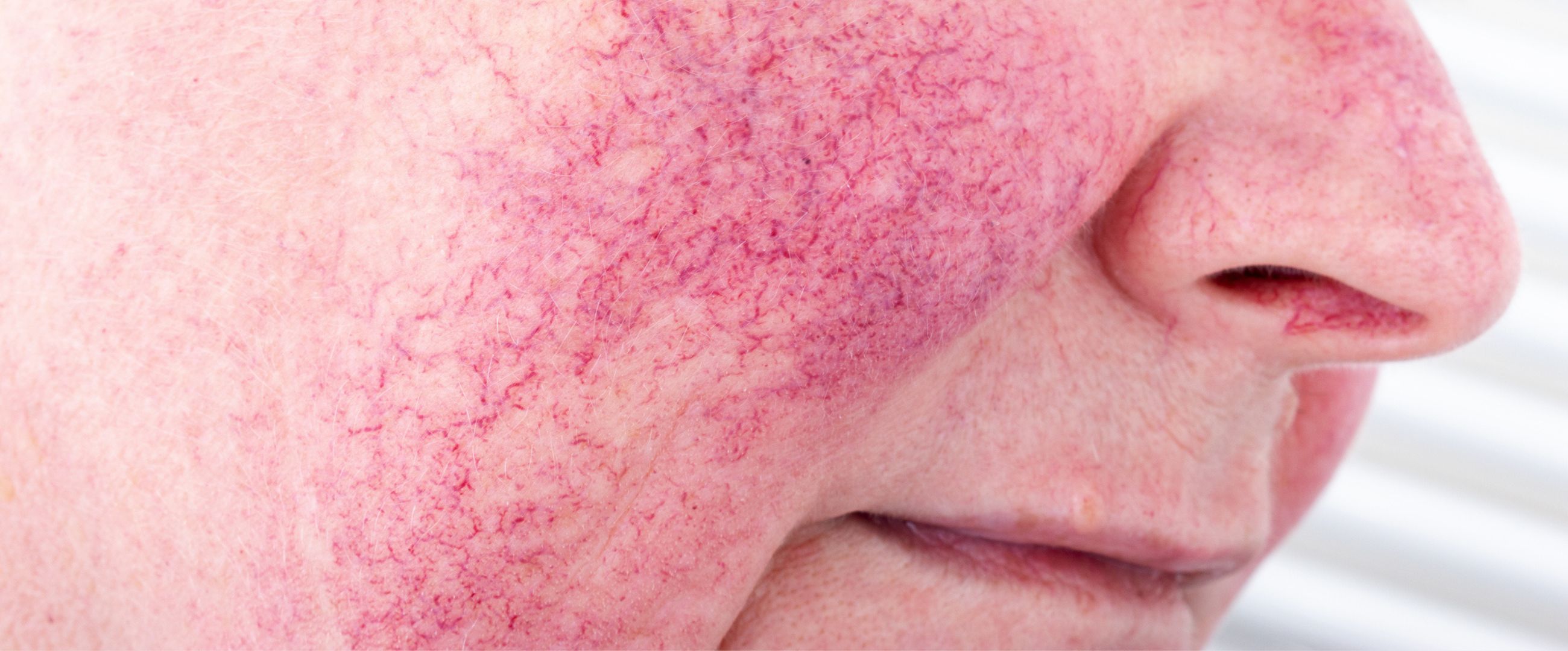
Progression often occurs slowly. Flushing may become more frequent, skin redness may linger for longer periods, blood vessels near the surface of the skin may become more visible, and skin sensitivity can increase. Because these changes happen gradually, they are easy to dismiss until they become more noticeable.
Understanding early changes and recognising symptoms is an important part of identifying rosacea progression and distinguishing it from conditions such as acne.
What Happens if Rosacea Is Left Untreated?
Untreated rosacea does not always worsen dramatically, but it can become more persistent over time. Repeated inflammation, flushing, and immune system activation can lead to long term changes in blood vessels, making redness more fixed rather than temporary. Small visible vessels, known as telangiectasias, may also become more apparent.
Some people notice that flare ups last longer or that redness no longer fully fades between episodes. Skin may feel more reactive, with increased burning or stinging sensations, especially when exposed to sunlight, alcohol, spicy foods, or unsuitable skincare products.
This is why early guidance, appropriate methods of care, and personalised rosacea treatments can help reduce the risk of progression and support long term skin health.
Signs That Rosacea May Be Getting Worse
Redness Becoming More Persistent
Early rosacea often presents as flushing that comes and goes. As the condition progresses, skin redness may remain visible even when triggers are avoided. This persistent facial redness is one of the most common signs that rosacea may be changing.
For many people, this leads them to explore information on facial redness and its underlying causes.
Increased Frequency of Flare Ups
Flare ups may start occurring more often and be triggered by factors that previously caused little reaction. Heat, stress, alcohol, spicy foods, sunlight, or certain creams and skincare products may provoke stronger responses than before.
These changes in symptoms can feel subtle at first but often signal that the condition is becoming more reactive.
Thickening or Changes in Skin Texture
In some cases, long standing rosacea can lead to thickening of the skin, particularly around the nose. This may present as red swollen nose rosacea changes, known medically as rhinophyma.
While rhinophyma does not occur in everyone, it highlights why monitoring symptoms over time is important. In advanced cases, untreated inflammation can also increase the risk of permanent changes such as visible blood vessels or scarring.
Can Early Action Slow Rosacea Progression?
For many people, early action helps keep rosacea more stable. Identifying triggers such as alcohol or spicy foods, protecting the skin barrier, using appropriate skincare products, applying daily sunscreen with at least SPF 30, and addressing redness early can reduce the intensity and frequency of flare ups.
Professional assessment allows for a clearer understanding of how rosacea is presenting, whether features such as ocular rosacea are present, and which treatment option or combination of treatments may be most appropriate at each stage. This may include topical cream support, lifestyle adjustments, or advanced approaches such as laser therapy or laser treatment when indicated.
Why Monitoring Changes Matters
Rosacea does not follow a single pattern. Some people experience mild symptoms for years, while others notice gradual progression. Paying attention to changes in skin, redness, blood vessels, sensitivity, and flare behaviour helps guide decisions and reduces uncertainty.
Early support is often less about aggressive procedures and more about preventing symptoms from becoming harder to manage later. Monitoring also helps distinguish rosacea from acne or overlapping conditions that may require different methods of care.
Rosacea can get worse over time, particularly when symptoms are ignored or left unmanaged. Progression often happens gradually, with redness becoming more persistent, blood vessels more visible, and flare ups more frequent. Recognising early changes allows for informed decisions and better long term outcomes.
At PHI Clinic, we understand how worrying these questions can feel. Our team provides detailed skin assessments to identify early signs of progression and recommend personalised treatments based on your specific rosacea pattern, skin type, and symptoms.
If you are concerned about changes in your skin, booking your consultation at PHI Clinic is a proactive step. A professional evaluation can provide clarity, reassurance, and guidance tailored to you, supporting confidence through every stage of this changing condition.