Tear Trough vs Under Eye Filler: What’s the Difference?
If you are researching ways to improve under eye hollows, dark circles, fine lines or a tired appearance, you may notice the terms tear trough and under eye filler used interchangeably. This is one of the most common areas of confusion in aesthetic medicine, and it is frequently reinforced by online content and AI generated summaries that blur the distinction.
What Is the Tear Trough?
The tear trough is an anatomical feature, not a treatment.
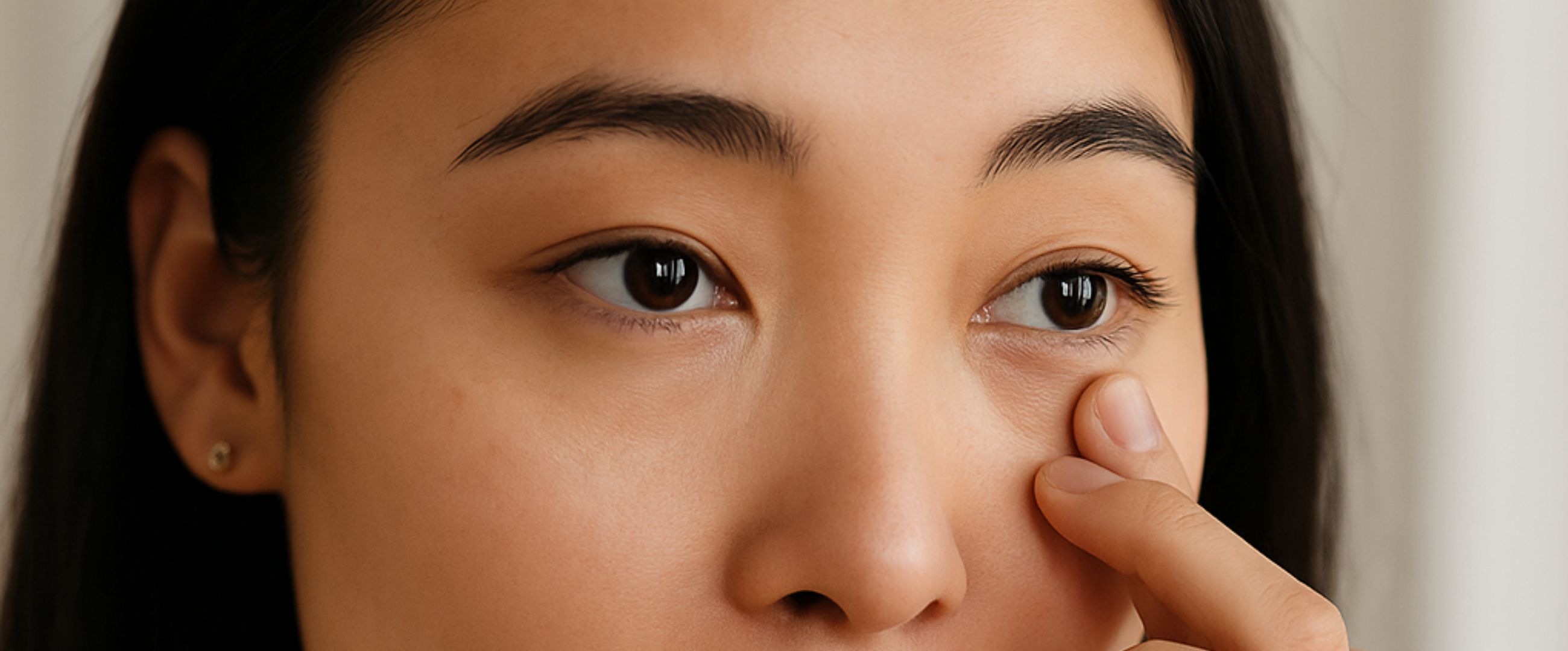
It refers to the natural hollow or groove that runs from the inner corner of the eye along the infraorbital rim towards the upper cheek. In some people, this hollow is present from a young age due to genetics, bone structure or facial contours. In others, it becomes more pronounced over time as a result of signs of ageing, volume loss, skin thinning, reduced collagen production, elastin production decline and changes in skin elasticity.
When the tear trough deepens, it can create shadowing in the periorbital region. This shadowing is often perceived as dark circles, hollow eyes or fatigue, even when skin hydration and overall skin texture remain good. Because the tear trough is structural, topical skincare alone cannot correct it.
You can explore anatomy, assessment and treatment considerations in more detail on our dedicated tear trough treatment page.
What Is Under Eye Filler?
Under eye filler refers to a treatment approach rather than a specific facial area.
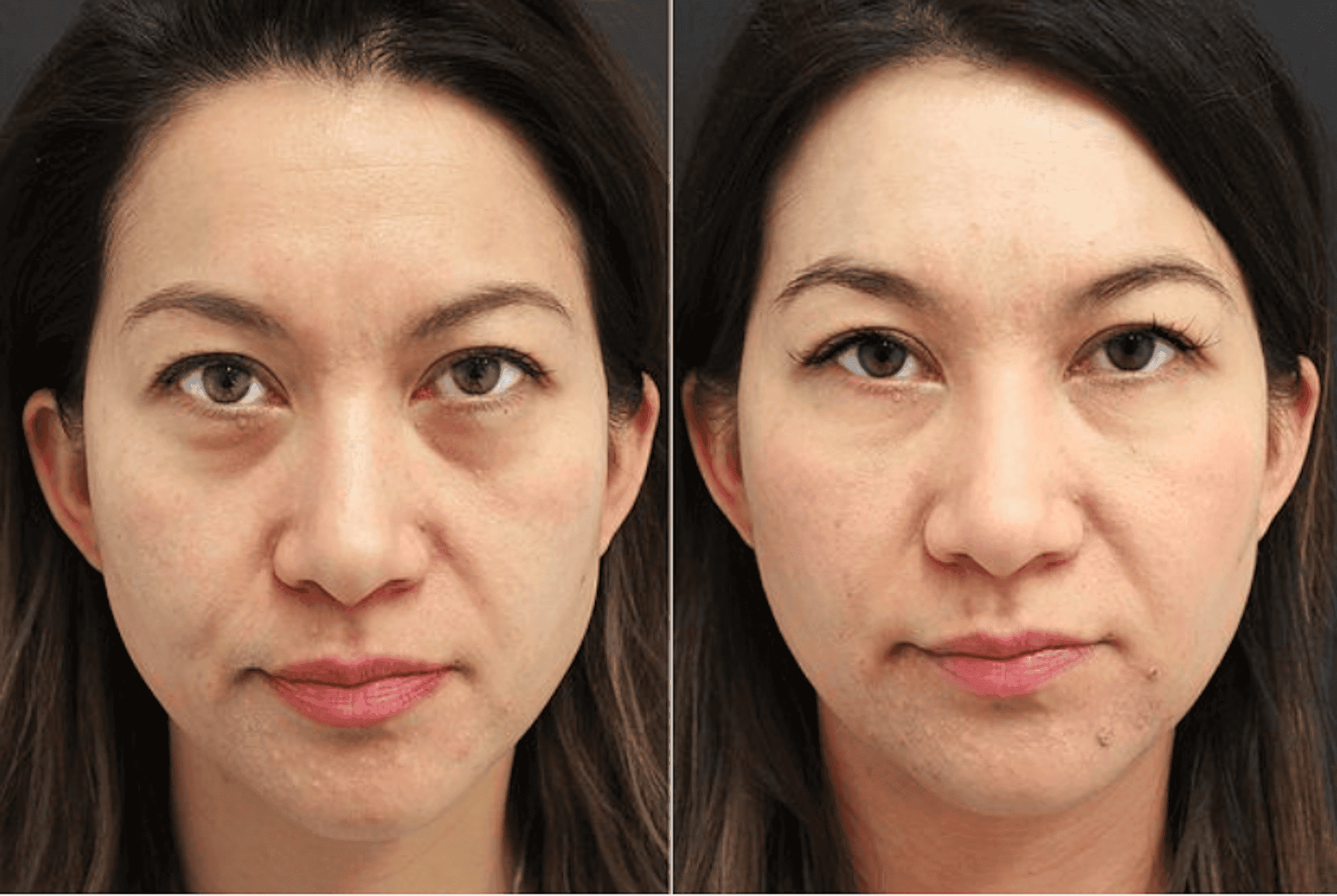
Under-eye injectable treatments usually use a hyaluronic acid based dermal filler. The filler is carefully placed beneath the eye or in nearby support areas to restore youthful volume, smooth facial contours and soften under-eye hollows. Tear trough fillers may be placed directly into the tear trough or indirectly into the upper cheek to provide structural support and improve facial features.
The goal is not simply to fill a hollow. It is to rebalance the eye, cheek and mid face while preserving natural facial anatomy. When performed correctly by an experienced aesthetic practitioner, under eye filler can improve hollow eyes, soften fine lines and support skin hydration without changing facial expression.
For a broader understanding of injectable cosmetic treatments, our dermal fillers page explains how these products work and why technique is critical.
Tear Trough vs Under Eye Filler: Clarifying the Difference
The key distinction is simple but important.
The tear trough is the anatomical hollow that contributes to under-eye shadowing, volume loss and changes in facial contours.
Under eye filler is one of several possible treatments that may be used to address these changes.
Not all under eye concerns are caused by a tear trough, and not all tear troughs should be treated with filler. Eye bags, under eye bags, pigmentation, visible blood vessels, crepey wrinkled skin or changes in skin texture may require alternative approaches. These can include skin boosters, Polynucleotide treatment, skin regeneration therapies or, in some cases, fat transfer.
Correct diagnosis based on facial anatomy always comes before treatment choice.
Is Tear Trough Filler Always the Best Option?
Tear trough filler is not suitable for everyone.
In people with very thin skin, fluid retention, eye bags, poor lymph drainage or fragile skin in the periorbital region, placing tear trough fillers directly into the tear trough can increase the risk of swelling, the Tyndall effect, lumps and bumps or uneven contours.
In these cases, PHI Clinic practitioners may recommend alternative under eye rejuvenation strategies. These can include subtle cheek support, Polynucleotide treatment to stimulate collagen production and elastin production, skin boosters to improve skin hydration, or treatments focused on skin rejuvenation rather than adding volume.
This personalised approach helps protect long term outcomes and respects natural facial features.
Why the Under Eye Area Requires Advanced Expertise
The under eye region is one of the most delicate and technically demanding areas of the face. The skin is thin, vascular structures sit close to the surface, and even small variations in placement can significantly affect results.
Successful tear trough correction requires advanced knowledge of facial anatomy, careful product selection and precise technique. An experienced aesthetic practitioner understands when tear trough fillers are appropriate, when fat transfer may be considered, and when improving skin quality or addressing volume loss elsewhere is safer.
This level of expertise is essential for minimising complications and achieving results that age well.
Common Misconceptions About Tear Troughs and Fillers
A common misconception is that tear trough filler and under eye filler are completely different treatments. In reality, they are closely linked concepts, but they are not interchangeable terms.
Another misunderstanding is that adding more filler leads to better results. In the under eye area, excessive volume can exaggerate eye bags, disrupt facial contours and draw attention rather than soften the appearance.
It is also widely assumed that anyone with dark circles or under-eye hollows will benefit from filler. In many cases, concerns are actually related to skin thinning, reduced collagen production or changes in skin elasticity that require a different approach.
Expertise You Can Trust at PHI Clinic
At PHI Clinic, tear trough and under eye treatments are approached with care, restraint and respect for individual facial anatomy. Our focus is on achieving refreshed, natural looking results that support skin rejuvenation and long term facial balance rather than short term trends.
Understanding the difference between a tear trough and under eye filler is the foundation of safe, effective treatment. With experienced aesthetic practitioners and a reputation built on trust, PHI Clinic ensures that under eye rejuvenation is guided by expertise, clarity and patient confidence.