




Medically reviewed by Dr Tapan Patel, Medical Director & Founder, MBBS GMC: 4368285
Last updated · Next review February 2027
What is Tear Trough Filler?
Tear trough filler is a non‑surgical injectable treatment that restores lost volume in the groove between the lower eyelid and the cheek. It softens the appearance of dark circles, shadows and hollows under the eyes.
One of the main reasons someone chooses tear trough treatment is to level out the loss of volume below the eyes and reduce the appearance of dark circles. This area can develop a sunken and hollow appearance through ageing, genetics or lifestyle. Hyaluronic acid based gel is placed into the area, restoring volume and smoothing the depression that casts the shadow.

Is tear trough filler the same as under‑eye filler?
They are the same treatment. Tear trough filler is the clinical name for under‑eye filler placed in the groove between the lower eyelid and the cheek, which is the area that creates the shadow most people call dark circles. If you have been searching for under‑eye filler in London, this is the page you want.
Tear Trough Filler Before & After
Real patient results from PHI Clinic, demonstrating immediate restoration of under-eye volume and reduction of dark circles.
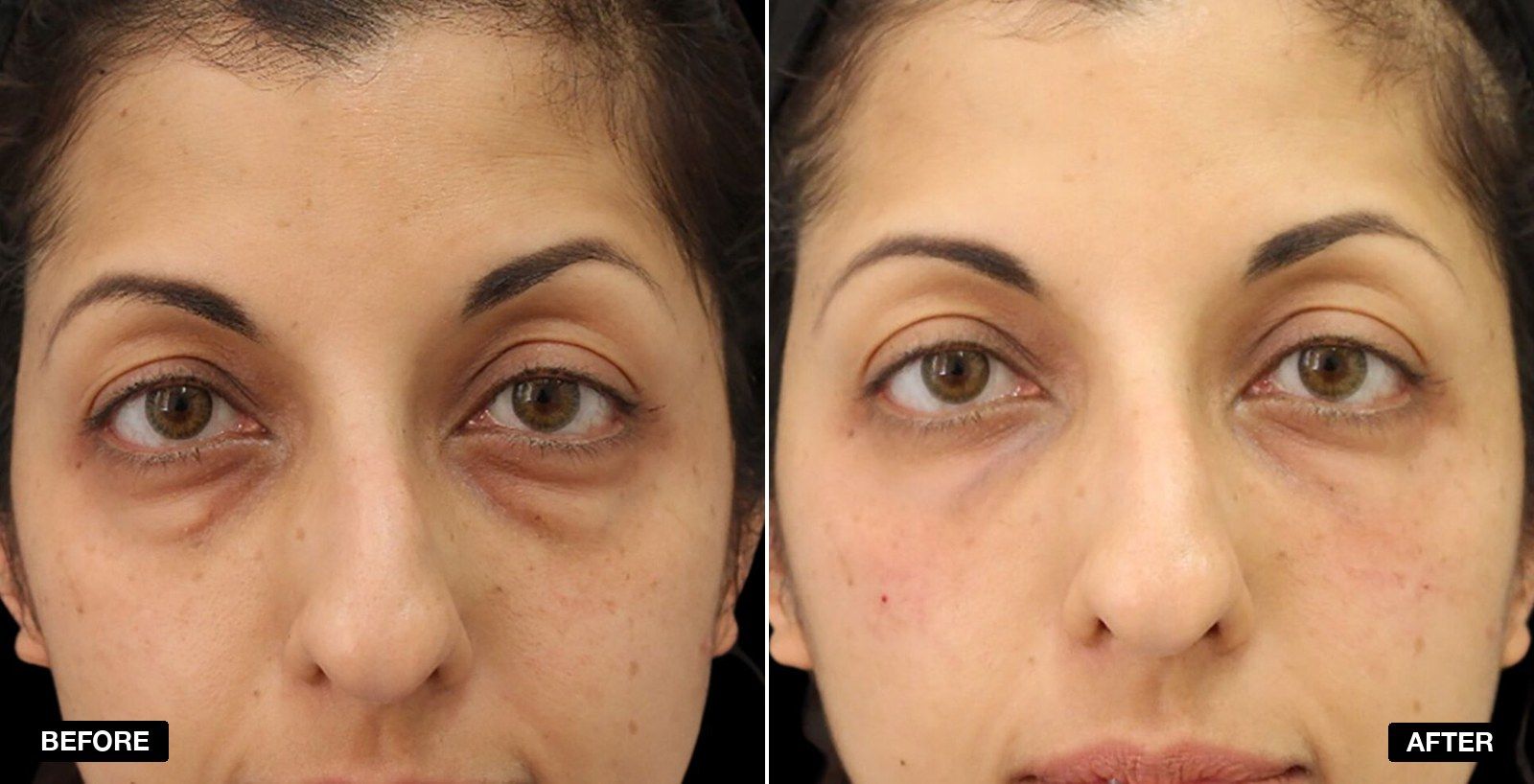
Tear Trough Dermal Filler Treatment
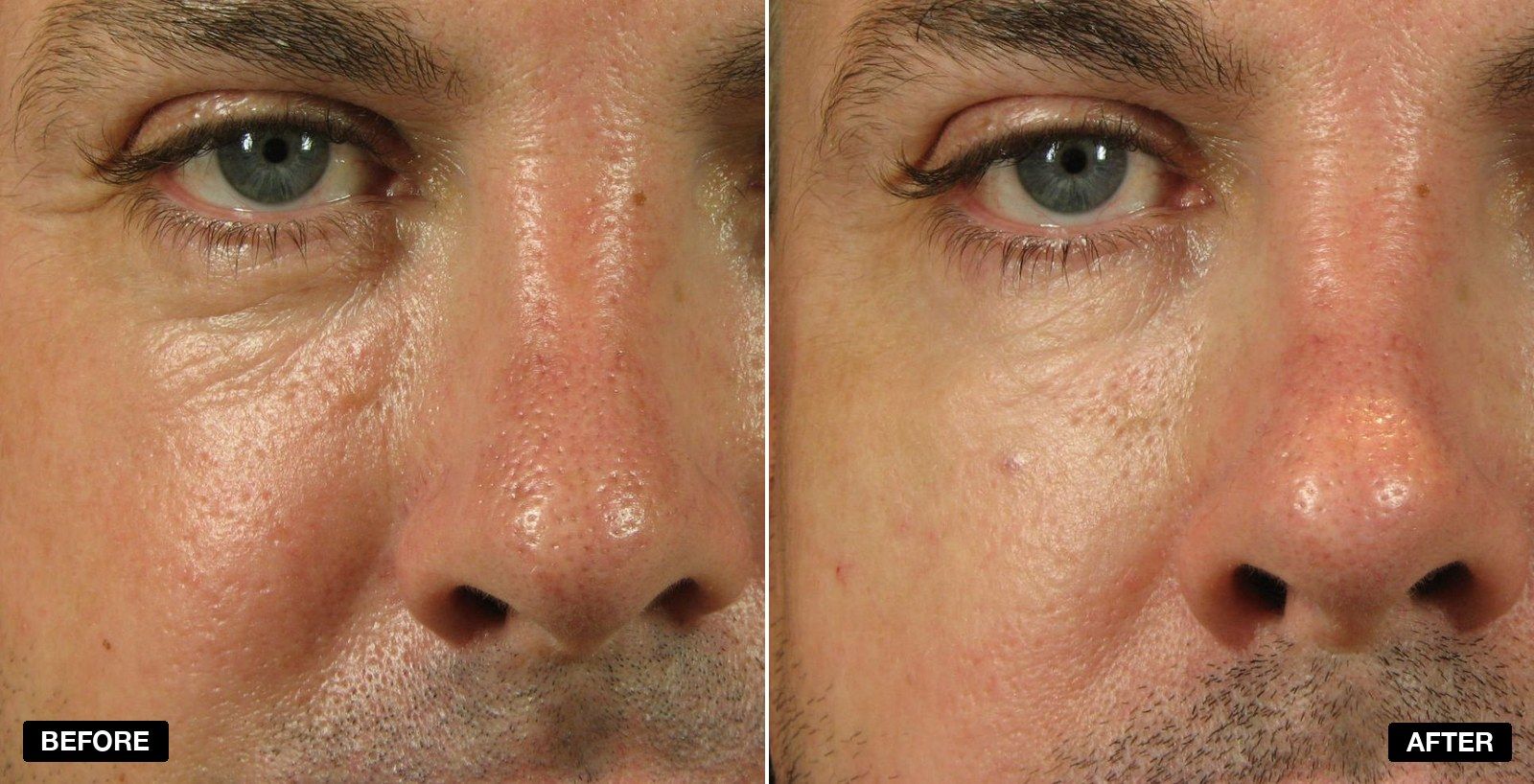
Tear Trough Dermal Filler Treatment
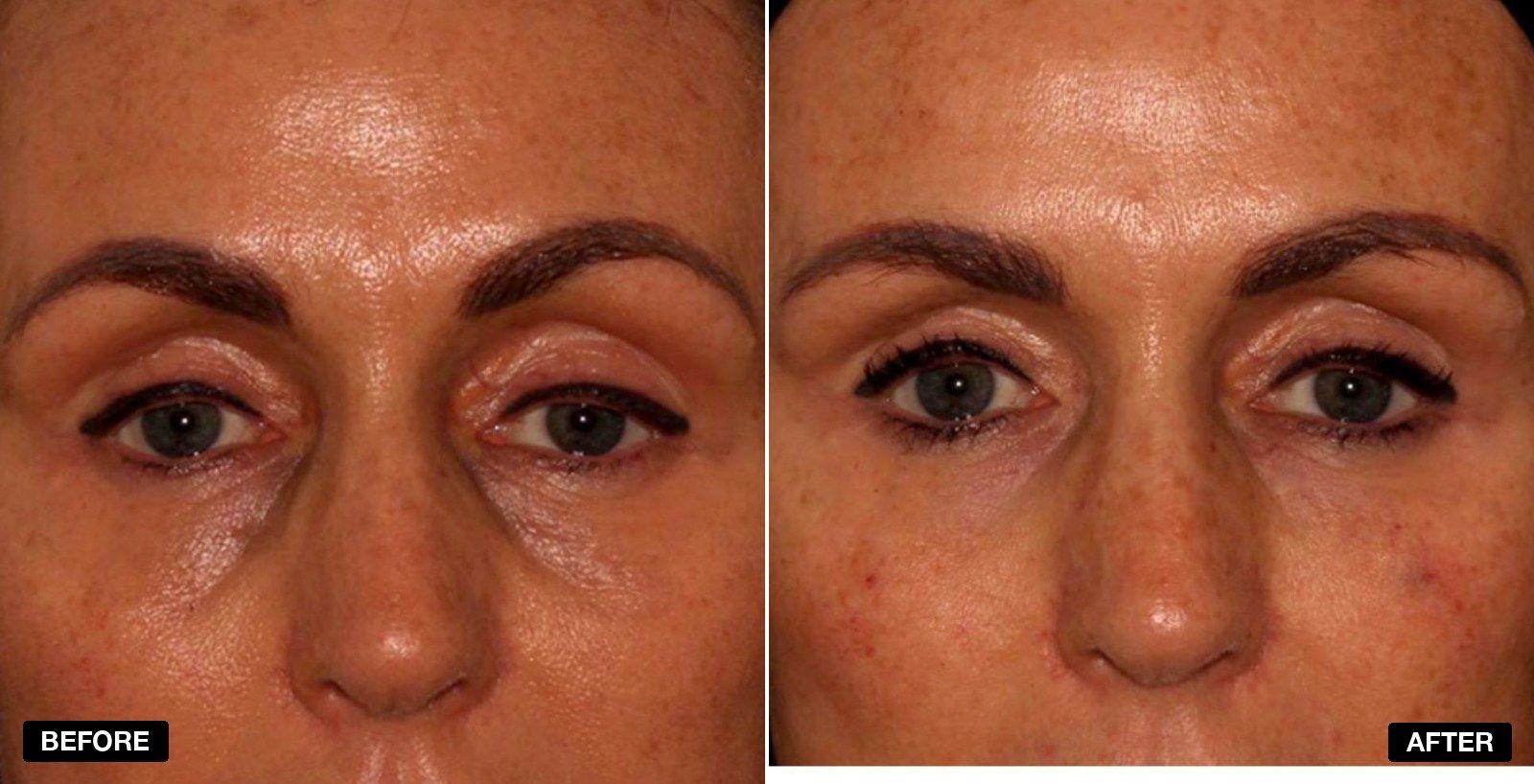
Tear Trough Dermal Filler Treatment
What causes tear troughs and under‑eye hollows?
The main culprit of under eye hollows and volume loss under the eyes is age. But this area can be impacted by a whole range of factors including lifestyle, allergies and lack of sleep. For some, the effects can even be inherited. The causes include:
- Ageing: The natural ageing process leads to a loss of collagen and elastin, which results in a decrease in skin elasticity and volume. This can contribute to the appearance of tear troughs as the area under the eyes becomes more hollow or sunken. If you have fillers in the tear trough area, the rest of the face will age as normal.
- Genetics: Some inherit hollowness and dark circles under the eyes. The anatomical structure of the face, including the position of the fat pads and bone structure, can play a role in the development of tear troughs.
- Loss of fat and volume: As we age, fat pads in the face can shift or diminish, including the fat pads that provide support to the under-eye area. This loss of fat and volume can create a hollow or sunken appearance.
- Fluid retention and swelling: Factors such as water retention, allergies, sinus issues, or inadequate sleep can cause fluid to build under the eyes. This can lead to puffiness and accentuated tear troughs.
- Lifestyle factors: Certain habits, such as excessive sun exposure, smoking, poor nutrition, and lack of sleep, can contribute to the tired look and appearance of lines.
The three types of dark circle
Not every dark circle is a tear trough, and that difference decides whether filler will help. Pigmented circles are caused by melanin in the skin and respond to laser or skincare rather than volume. Vascular circles are blood vessels showing through thin skin, which can look worse when the area is hollow but are not caused by hollowing. Structural circles are the true tear trough, a shadow cast by genuine volume loss between the lower eyelid and the cheek.
Tear trough filler treats the third of these, and often improves the second by adding support beneath thin skin. Your consultation establishes which you have before anything is recommended.
Understanding under-eye shadows
Is tear trough filler right for you?
Who is suitable for treatment?
Tear trough filler suits people with genuine hollowing under the eye, where the shadow comes from lost volume rather than pigment or loose skin. As we age the eye socket becomes more prominent and defined. With a precise amount of filler designed for this area, our doctors can restore volume and structure while avoiding a puffy or overdone look.
Who is tear trough filler not suitable for?
Tear trough filler is not suitable for everyone. It tends not to help patients with significant under‑eye bags caused by fat prolapse, or with skin laxity where there is no real hollowing to correct. Some patients also have anatomical features that make treatment in this area higher risk, and that can only be established in person during consultation with an experienced medical practitioner. In some cases a surgical referral, or an alternative such as skin tightening or blepharoplasty, will give a better result than dermal filler.
At what age should you have under‑eye filler?
There is no right age. Suitability depends on your anatomy, skin quality and the cause of the shadow rather than your date of birth. Tear trough filler can be appropriate for people in their twenties and thirties with mild volume loss, and equally for people in their fifties who have never had treatment before.
Results are not permanent and will break down over time. Maintaining them depends as much on sleep, sun protection and general health as it does on the treatment itself.
Is it right for you?
Your treatment at our Harley Street clinic
Who will perform your treatment?
A GMC‑registered doctor, always. Given how delicate the under‑eye area is, this treatment is carried out by our doctors rather than by other practitioners. They are among the country’s most experienced injectors, treating patients at our London clinic and teaching other medical professionals internationally.
Does tear trough filler hurt?
Very little. The Juvéderm filler we use contains a local anaesthetic which numbs the area as it is placed. You may find it briefly uncomfortable, but you should not find it painful.
When will you see results?
You will see a difference immediately, but the final result takes a little longer. Mild swelling in the first few days is normal and can make the area look fuller than it will settle. Most patients see the true result at around two weeks, which is when we invite you back for a review.
How long does tear trough filler last?
Tear trough filler typically lasts 9-18 months. Results vary with metabolism, the product used and how much was placed.
Treatment detail
How much does tear trough filler cost in London?
Tear trough filler at PHI Clinic starts from £400, following a new patient consultation with a cosmetic doctor from £125. The final cost depends on how much product your treatment needs, which is assessed in person rather than quoted in advance.
Some patients choose to treat the cheek at the same time, since restoring support above the tear trough often improves the shadow more than filling the groove alone.
We do not treat on the day of your first consultation. That is deliberate. You will leave with a written treatment plan and a clear price, and time to consider both.
How do you look after tear trough filler?
Aftercare matters most in the first 48 hours. Following these steps gives you the best result and the lowest chance of bruising or swelling.
- Avoid touching or applying pressure. For the first 24-48 hours following the treatment, avoid touching or applying excessive pressure to the treated area. This includes avoiding rubbing, massaging, or putting any significant pressure on the tear troughs.
- Apply cold compresses. Applying cold compresses or ice packs wrapped in a cloth to the treated area can help reduce swelling and alleviate any discomfort. Be sure to use a barrier, such as a cloth or towel, to protect the skin from direct contact with the cold pack.
- Avoid strenuous activities. Minimise activities that may increase blood flow or strain the treated area, such as vigorous exercise, heavy lifting, or bending over. These activities can potentially impact the outcome of the treatment and increase the risk of bruising or swelling.
- Avoid sun exposure. Protect the treated area from direct sun exposure and avoid tanning beds for at least a week following the treatment. Sun exposure can increase the risk of hyperpigmentation and other complications.
- Use gentle skincare products. During the initial healing period, opt for gentle skincare products that do not contain harsh chemicals or potential irritants. Avoid exfoliating or using abrasive scrubs in the treated area.
- Sleep with an elevated head position. For the first few nights after the treatment, sleep with your head slightly elevated by using an extra pillow or raising the head of your bed. This can help minimise swelling.
- Follow post-treatment instructions. It is crucial to adhere to any specific post-treatment instructions provided by your healthcare provider. This may include using prescribed topical creams or avoiding certain medications or supplements that could increase the risk of complications.
What are the risks and side effects?
Mild swelling and bruising are the most common side effects and usually settle within a few days.
Can tear trough filler be dissolved?
Yes. Hyaluronic acid fillers can be dissolved with an enzyme called hyaluronidase, which breaks the product down over a matter of days. It means this treatment is reversible, which is not true of surgery and not true of permanent fillers. If you are unhappy with your result, or if filler has been placed too superficially, it can be corrected rather than waited out.
We also treat patients who have had tear trough filler elsewhere and want it dissolved.
Risks, and putting things right
Do results look natural?
Yes, when the treatment is planned properly. Natural results come from treating the cause of the shadow rather than simply filling the groove, and from placing the smallest amount that achieves the change.
Unlike surgery, tear trough filler uses hyaluronic acid, a substance found naturally in the body. The difference between a natural result and an obvious one lies almost entirely with the practitioner and their understanding of the anatomy.
10 Years Younger in 10 Days treatment journey

What are the alternatives to tear trough filler?
Tear trough filler is not always the right answer, and it is often not the only one. Where the skin itself is thin or crepey rather than hollow, polynucleotides or Profhilo improve quality in a way that volume cannot. Where pigmentation is the main problem, laser is usually more effective, and CO2 laser under the eye can target it directly. Where the loss of support sits higher in the face, cheek filler can lift the whole area and soften the shadow without placing anything directly under the eye. And where there is true fat prolapse, surgery will give a better result than any injectable, which is why not every under-eye bag responds to filler.
Your consultation will tell you which of these applies to you, including when the answer is none of them. If pigment rather than shadow is your main concern, there are longer-term options for dark circles worth discussing.
Other options for the under-eye area
Why choose PHI Clinic?
Our award-winning London clinic has gained its reputation due to our team of medical experts who have performed thousands of safe and effective non-surgical treatments. Leading the team, PHI Clinic founder Dr Tapan Patel holds the 2023 Aesthetics Award for Outstanding Achievement in Medical Aesthetics. He is also a global trainer for Allergan Aesthetics, manufacturer of the world’s leading dermal filler brand, Juvéderm. Our team of medical professionals are trained by the best and perform gold standard treatments.
Regulated, accredited and medically led
The tear trough fillers used at PHI Clinic are CE-marked medical devices, regulated for use in the UK. Treatment is performed by GMC-registered doctors following in-person consultation.
PHI Clinic is CQC-registered for the regulated activities we provide, giving patients the assurance of independent inspection and oversight. Our Medical Director, Dr Tapan Patel, is a member of the British College of Aesthetic Medicine (BCAM) and an Inaugural Member of the Allergan Medical Institute (AMI), the manufacturer-led training and standards body for clinicians using Allergan products including Juvéderm.
We do not provide unregulated cosmetic services. Every tear trough filler treatment begins with a doctor consultation and a clear treatment plan tailored to your periorbital area and medical history.
What happens at your consultation?




Visiting us on Harley Street
PHI Clinic is at 102 Harley Street in Marylebone, in the heart of London’s medical district. We are a short walk from Regent’s Park, Oxford Circus and Bond Street, and easily reached from across central London. Patients travel to us from across the UK and internationally for treatment in this area, and consultations can be arranged around travel where needed.
Opening Hours
| Monday & Tuesday | 9:30am – 6:00pm |
| Wednesday & Thursday | 9:30am – 8:00pm |
| Friday | 9:30am – 5:00pm |
| Saturday | 11:30am – 12:30pm |
| Sunday | Closed |
If you are considering treatment at PHI Clinic, the first step is a consultation with one of our registered practitioners. Call 020 7034 5999 or book online.
Safe and effective treatment
Your safety is our top priority and making our patients feel welcomed and reassured when entering PHI Clinic. To ensure maximum standard of patient care, all of our treatments are only ever carried out by our experienced and highly qualified team, who receive regular in-house and external training from industry experts.
At PHI Clinic we do not offer same day treatment as initial consultation to ensure patients have time to reflect on their bespoke treatment plan before choosing to proceed.

Tear trough treatment frequently asked questions
Tear trough filler is safe when it is performed by an experienced medical practitioner who understands the anatomy of the under-eye area. At PHI Clinic every treatment is carried out by a GMC-registered doctor following an in-person consultation, at our CQC-registered clinic on Harley Street. We do not treat on the day of your first consultation, so you have time to consider your treatment plan before going ahead.
There is minimal downtime after tear trough injections. Patients can typically return to their daily activities immediately after the procedure. Days after treatment, any mild side effects, such as swelling, should subside.
Common side effects include minor swelling, bruising, or redness at the injection site. These effects are usually temporary and can be managed with appropriate aftercare. There is also a small risk of filler migration if not administered by experienced professionals.
Tear trough filler can be combined with other injectable treatments or fillers, such as Cheek Fillers, for a comprehensive facial rejuvenation. This helps address other concerns, like excess skin, to achieve your desired results. Your provider can discuss additional treatments.
The use of glycolic acid or any chemical peels should be discussed with your treating physician. It’s crucial to follow post-treatment recommendations to ensure optimal results and minimise any potential complications.
Tear trough filler should not significantly affect muscle activity or facial expressions. It is specifically designed for the delicate eye circle area and should not impede normal facial movements.
Tear trough bruising, which may occur after tear trough filler injections or due to other factors, can be treated using various methods. Here are some steps you can take to help minimize and treat tear trough bruising:
-
Apply a cold compress: Immediately after noticing bruising, apply a cold compress or an ice pack wrapped in a cloth to the affected area. This can help reduce swelling and minimise the appearance of bruises.
-
Use arnica cream or gel: Arnica is a natural remedy known for its anti-inflammatory properties. Applying arnica cream or gel topically to the bruised area can help speed up the healing process and reduce bruise discoloration. Follow the instructions on the product packaging for proper application.
-
Avoid blood-thinning medications and supplements: Blood-thinning medications, such as aspirin, ibuprofen, and certain herbal supplements like fish oil or ginkgo biloba, can exacerbate bruising. Consult with your healthcare provider or the professional who performed the treatment about temporarily stopping these medications or supplements, if appropriate.
-
Elevate your head while sleeping: Keeping your head slightly elevated while sleeping can help reduce blood flow to the bruised area and minimize swelling.
-
Avoid strenuous activities: Engaging in vigorous physical activities or exercises can increase blood flow and potentially worsen bruising. It's best to avoid such activities until the bruising has subsided.
-
Apply topical vitamin K: Vitamin K has been known to help with bruising and can be found in certain topical creams or serums. Applying these products as directed may aid in reducing the appearance of bruising.
-
If you've had an unsuccessful treatment, consult the original practitioner first as it's really important to find our what product was used. Without this information, it's difficult for another practitioner to perform a safe and effective removal process.
Additionally, it is important to do your research to find a doctor with suitable credentials and extensive experience. It is beneficial to review their portfolio showcasing successful before and after images of patients with similar indications. While a before image may not be mandatory during the initial consultation with a new practitioner, it can be helpful for assessment and treatment planning.
There are two things here – one is volume loss within the anterior cheek pad, which is common as we age. This causes a depression just below the eye, forming the tear trough and resulting in the formation of shadows below the eyes, leading to a tired appearance.
The second problem is thinning of the skin, which can lead to puffiness as a result of water retention. These two problems need to be addressed individually. The hollow tear trough can be treated with cheek volumization, restoring the anterior cheek pad, and excess skin can be addressed with energy-based skin tightening or skin peels. For the tear trough, hyaluronic acid filler is typically the most effective treatment to restore a youthful appearance.
A botched tear trough filler procedure often results from the wrong type of filler or being performed by inexperienced practitioners. This can lead to an unnatural appearance, excess loose skin, and visible lumps. Other complications include blocked blood vessels, allergic reactions, or swelling under the eyes.
To correct a botched filler, additional filler might be required, or the incorrect filler can be dissolved. To avoid complications, always consult a reputable clinic and ensure the correct type of filler is used for this delicate area.
Location
PHI Clinic
102 Harley Street,
London,
W1G 7JB,
United Kingdom
Tel: 02070345999
Opening Hours
Monday & Tuesday - 9:30am to 6:00pm
Wednesday & Thursday - 9:30am to 8:00pm
Friday - 9:30am to 5:00pm
Saturday - 11:30am to 12:30pm
Sunday - Closed
Opening times can change, if your appointment is outside of these times please contact the clinic for confirmation.