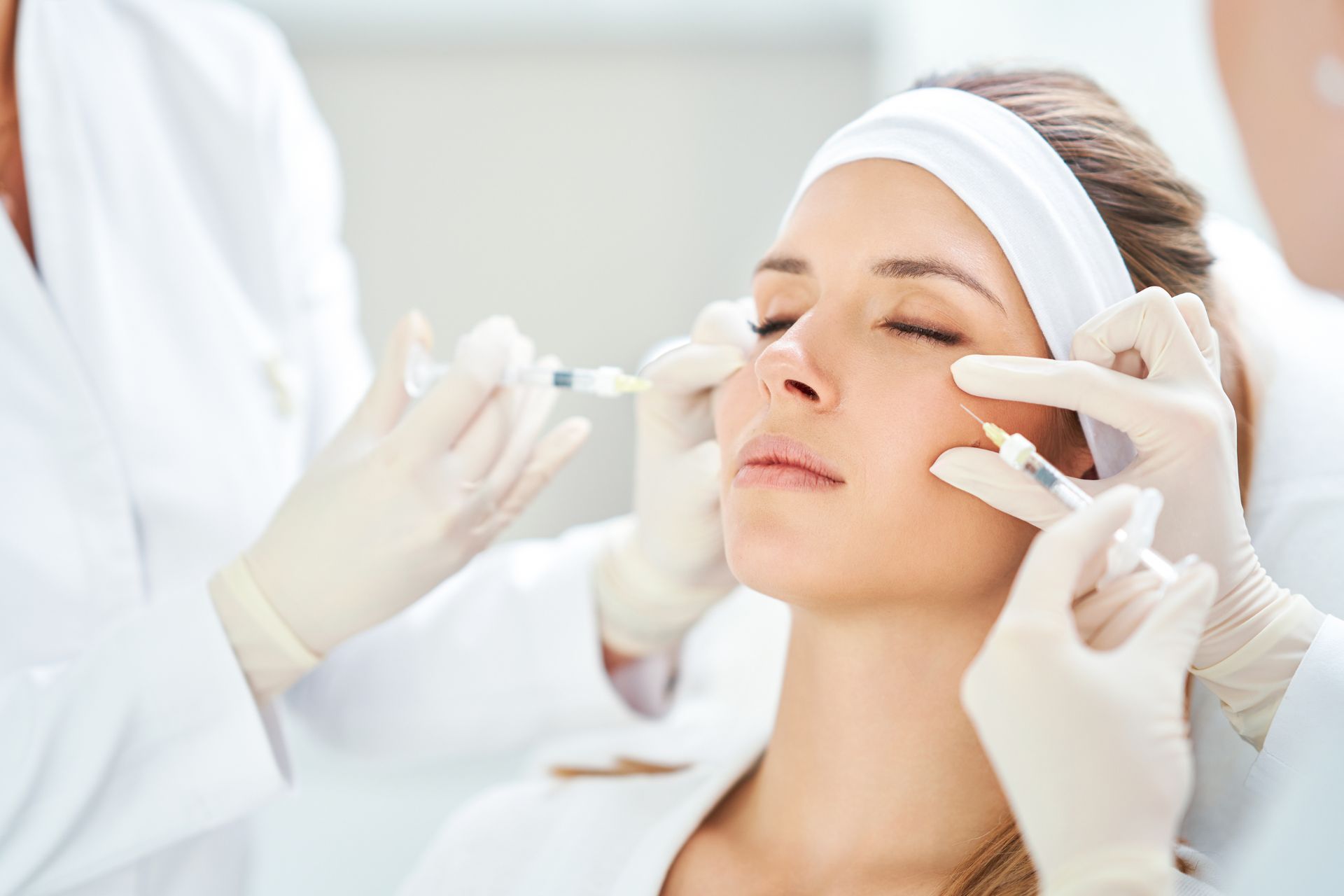
Botox is one of the most popular non-surgical treatments at PHI Clinic, chosen by patients who want smoother skin and a refreshed appearance with little to minimal downtime.
The treatment itself is quick and straightforward, but what happens afterwards is just as important. One of the most common questions we are asked is: what should I avoid after Botox treatment?
Understanding what not to do in the first hours and days following anti-wrinkle injections can help you achieve the most precise and long-lasting rejuvenating effects.
Why aftercare matters
Botox works by relaxing specific muscles that cause facial lines and expression wrinkles. Once injected, botulinum toxin takes a short period of time to bind to the nerve endings and begin working within the muscle tissue. During this window, certain actions or lifestyle factors can interfere with how the product settles. Pressure on the treated area, increased blood flow, or exposure to heat may cause bruising, swelling, or reduce the effectiveness of the treatment.
By following clear aftercare instructions, you protect your facial rejuvenation results and ensure that your Botox injections work exactly as intended.
The first 24 hours: what to avoid
The first day after treatment is the most important. During this time, you should avoid:
- Touching or rubbing the area: Applying pressure may move the product away from its intended injection site.
- Strenuous exercise: Activities that raise your heart rate or cause sweating increase circulation and may lead to displacement of Botox.
- Heat exposure: Saunas, hot tubs, or heated fitness classes can worsen swelling and side effects such as bruising.
- Lying flat: Remain upright for at least four hours to minimise product migration.
- Alcohol: Alcohol can thin the blood and raise the risk of bruising around injection sites, particularly if combined with blood thinners.
These precautions help ensure the Botox remains in the precise muscles targeted during your Botox treatment.
What happens if you ignore these steps?
Resuming certain activities too soon does not always cause problems, but it can increase risks such as:
- Mild facial swelling or redness
- Increased bruising near injection points
- Uneven or reduced treatment results
- In rare cases, temporary drooping if the product spreads to neighbouring muscle groups
These side effects are uncommon, but they highlight why being cautious in the first 24 hours makes such a difference to the outcome of your facial treatments.
Skincare and makeup
Patients often ask about returning to their skincare and makeup routines. It is best to avoid applying makeup immediately after treatment, as pressure from brushes or sponges can disturb the product and affect the injection process. Leave strong active ingredients such as retinol or glycolic acid until a few days later, as these can increase skin sensitivity. From the following day, gentle, non-irritating skincare is safe to use.
Sleeping after Botox
It is advisable to avoid sleeping on your front or side on the first night, as pressure on the treated area could impact the way Botox settles. Lying on your back helps keep the product in place and reduces the chance of swelling or the displacement of Botox.
When to return to normal activities
After the first 24 hours, most patients can return to their usual routines without restriction. If bruising or tenderness persists, you may prefer to wait a little longer before exercising or using active skincare. Always check with your practitioner if you are unsure, especially if you take blood thinners or have underlying blood pressure concerns.
Protecting your results
Aftercare is about more than avoiding certain activities. To maintain your results and keep your skin in its best condition, we also recommend:
- Avoiding facial massages or spa treatments for at least one week
- Protecting skin from UV exposure with a high-factor SPF
- Staying well hydrated to support skin health
- Avoiding tight hats, headbands, or eyewear that press on treated areas
In addition, you may be advised to avoid strong facial exercises for the first few days to reduce unnecessary muscle movement around injection sites. Small adjustments like these help prolong your results and support healthy, radiant skin.
Why expert aftercare advice matters
At PHI Clinic, Botox is always performed by highly trained doctors who specialise in advanced injectable techniques. Our care does not end when you leave the clinic. Clear aftercare instructions and follow-up support are provided to ensure you feel confident at every stage. The way you look after your skin in the hours and days following Botox is part of what makes the results of your anti-wrinkle injections natural, precise, and long lasting.
Let us guide you towards the safest, most effective solution
Whether you are considering Botox for the first time or are returning for a top-up, our doctor-led team is here to provide expert care and guidance. We ensure your treatment plan is tailored to your anatomy, your lifestyle, and your goals, so that your results feel both subtle and refined.
Book your consultation today at PHI Clinic and discover how Botox can enhance your skin when combined with expert treatment and the right aftercare.