How Botox works
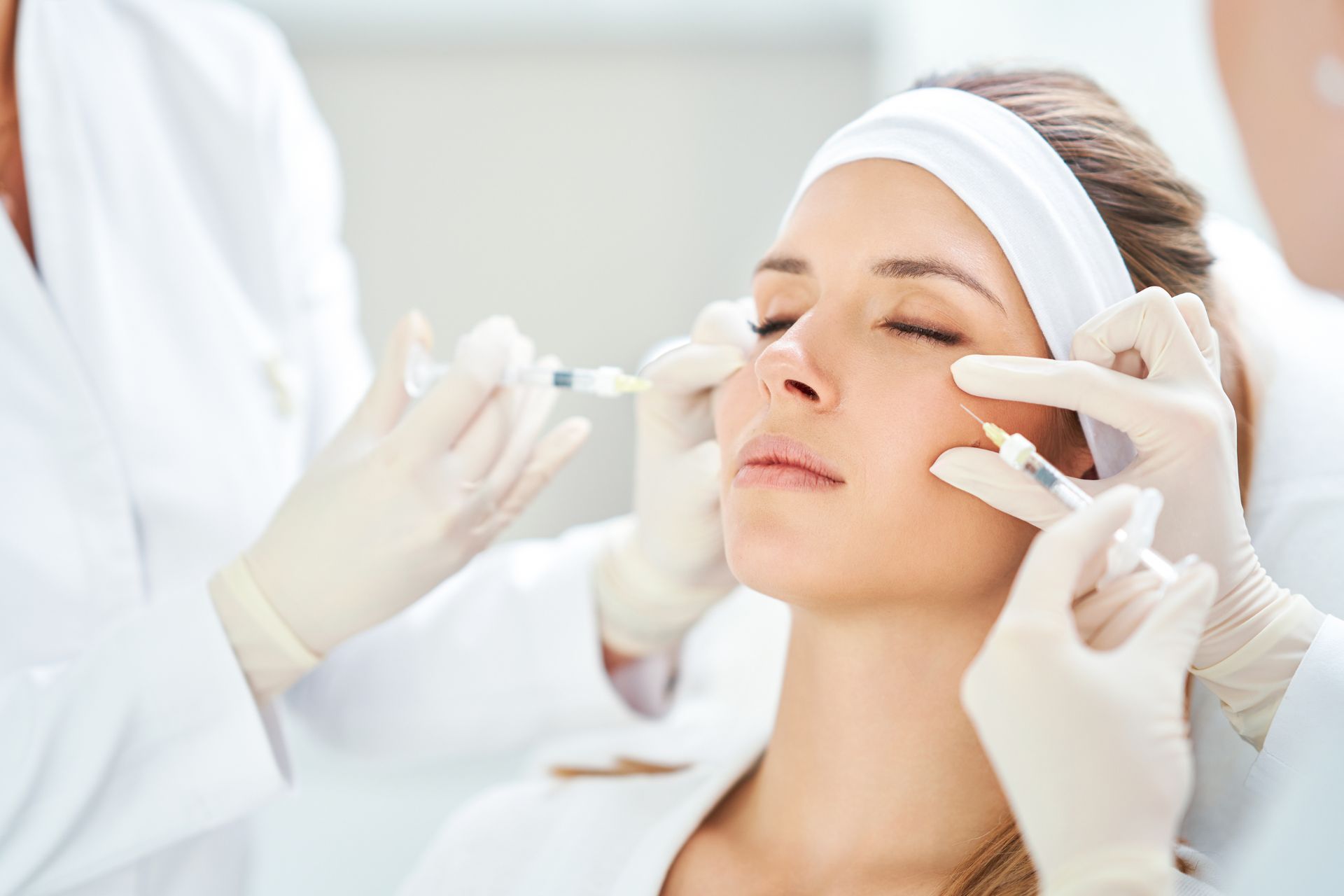
Botox is a purified form of botulinum toxin type A. When injected into the muscles that create dynamic lines on the face, such as frown lines, forehead lines and crow's feet, it temporarily blocks the nerve signal that tells those muscles to contract. The lines soften over the following days, with full effect at around two weeks. Results typically last three to six months, after which the muscle activity gradually returns.
The first 24 hours
What you do in the first day after your Botox treatment affects how the toxin settles into the muscle. We ask you to follow these rules during the first 24 hours:
- No vigorous exercise. Increased blood flow can theoretically move Botox away from the injection site before it has bound to the muscle. Wait 24 hours before workouts, hot yoga or strenuous activity.
- Do not rub or massage the treated area. Mechanical pressure can shift the toxin to muscles you did not intend to treat. Avoid facials, makeup brushes pressing into the area, and sleeping face-down on the first night.
- Stay upright for at least four hours. No lying flat or napping immediately after your appointment. This reduces the chance of the Botox spreading to other facial muscles.
- Avoid alcohol. Alcohol thins the blood and increases the chance of bruising at injection sites.
- No heat. Saunas, steam rooms, hot tubs and prolonged sun exposure should be avoided for the first 24 hours.
- Do not expect immediate results. Botox does not work instantly. You may notice some early softening in three to four days, but full effect takes around two weeks.
The first two weeks
This is when your Botox is settling. Mild redness, small bumps at injection points or minor bruising are normal and usually resolve within 24 to 48 hours. You can apply makeup the following day if your skin looks settled. Continue with your normal skincare and SPF routine. We will offer a 12 to 14 day review to assess the result and top up if any area needs adjustment.
Long-term maintenance
To get the most out of your Botox between treatments:
- Daily SPF. UV exposure accelerates collagen and elastin breakdown, which is the visible ageing your Botox is working against. Broad-spectrum SPF 30 or higher.
- Hydration. Drink water consistently and use a moisturiser suited to your skin type. Hydrated skin holds onto its results visually longer.
- Active skincare. Ingredients such as retinoids, peptides and antioxidants support overall skin quality alongside your Botox. We can advise on a regimen at consultation. Prescription skincare is part of many of our patient plans.
- Smoking accelerates ageing. Stopping is one of the highest-impact things you can do for the durability of any aesthetic treatment.
- Stick to a sensible follow-up schedule. Repeated dosing too soon is not necessary and not recommended. Most patients return at three to four months. Your clinician will set the right interval for you.
When to contact us
Most Botox patients have no side effects beyond minor bruising or temporary headache. Contact PHI Clinic if you notice: drooping of an eyelid or eyebrow on one side, vision changes, swallowing difficulty, persistent swelling beyond 48 hours, or any spreading pain. These are uncommon but worth raising promptly.
About your clinician
Botox at PHI Clinic is delivered by GMC-registered doctors and NMC-registered nurse prescribers. Masseter Botox and combination treatments such as Botox with dermal fillers are planned at consultation rather than chosen from a menu.
If you have questions about your aftercare or want to book a follow-up, contact our team or schedule a consultation.