Understanding acne and spot treatments
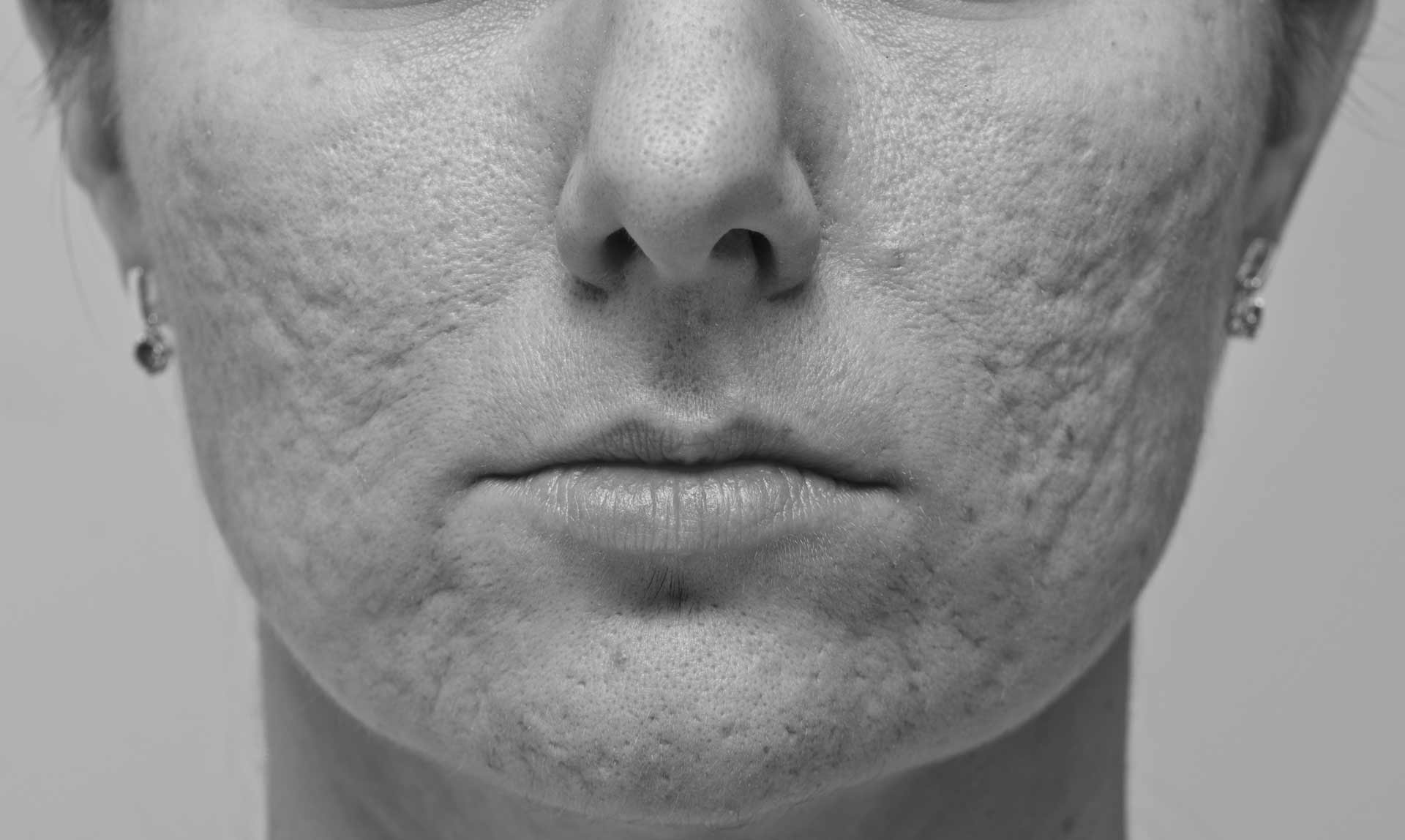
Acne comes in various forms, from moderate to severe, and affects individuals differently based on skin type and triggers. Hormonal acne, cystic acne, and types of acne that are more surface-level, like blackheads and whiteheads, need targeted approaches.
Key active ingredients in spot treatments include salicylic acid, which exfoliates to reduce oil production, and benzoyl peroxide which kills acne-causing bacteria. For oily and acne-prone skin, these are often go-to choices. Sensitive skin, however, may respond better to gentler ingredients like hyaluronic acid for hydration or azelaic acid to fight bacteria and reduce inflammation without causing dryness.
Some treatments rely on hydroxy acids – alpha hydroxy acids (AHAs) like glycolic and lactic acids, and beta hydroxy acids (BHAs) like salicylic acid. These exfoliate the skin, helping to prevent future breakouts and fade dark spots.
For severe acne cases, topical antibiotics can help reduce bacteria and inflammation. Hydrocolloid patches are also popular for drawing out impurities and accelerating healing. Choosing the best spot treatment requires understanding your skin's needs and the type of acne you're facing. Overuse can lead to dryness and irritation, so it's important to follow product instructions and perhaps consult a dermatologist.
Understanding your skin type
When it comes to managing acne, recognising your skin type is vital. The commonly identified skin types are oily, dry, sensitive, and combination. Each has unique characteristics that can influence the efficiency of acne treatments. Oily skin, which produces excess sebum, may be more prone to acne but can tolerate potent acne-fighting agents like salicylic acid. Dry skin, on the other hand, may become irritated or flakey with harsh treatments, requiring formulas that deliver moisture, like those with hyaluronic acid. Sensitive skin types need mild ingredients to avoid inflammation, and azelaic acid could be the key. Understanding your skin will guide your choice of spot treatment, ensuring it targets your acne without negative side effects.
Spot treatments suitable for your skin type
Choosing the right spot treatment for your skin type is important, not only for effectiveness but also to minimise potential irritation. Treatments with salicylic acid, although excellent for decreasing oil production and combating acne, might cause dryness or peeling in sensitive or dry skin types. Similarly, benzoyl peroxide is effective against acne-causing bacteria but might exacerbate dryness or sensitivity. People with sensitive skin should gravitate towards less irritating ingredients like azelaic acid or lower concentrations of active ingredients. Spot treatments are powerful allies in the fight against pimples, but their potent ingredients mean they must be selected with care and consideration for the individual's skin type to prevent making the acne worse or causing additional skin concerns.
Key ingredients in spot treatments
Spot treatments are an essential weapon in the battle against specific blemishes, and their success largely depends on the key ingredients they contain. These active ingredients are designed to target acne in various ways, from unclogging pores to reducing inflammation. Among the most effective ingredients are salicylic acid, benzoyl peroxide, azelaic acid, and hyaluronic acid. Each of these has an unique role in treating acne and may be more suitable for different types of acne or skin types. Understanding these key ingredients can help individuals make informed decisions when selecting spot treatments to manage their acne.
Exploring the role of salicylic acid in spot treatments
Salicylic acid, a prominent beta hydroxy acid (BHA), is a champion in exfoliating the skin and penetrating oily pores to dissolve the debris that causes acne. It's consistent at tackling blackheads and whiteheads by breaking down the keratin that clogs pores. Salicylic acid not only exfoliates the surface but also works within the pore lining, making it a stellar choice for those with oily skin facing persistent acne. However, it may not be the top pick for individuals with sensitive skin, as it can lead to dryness or irritation if overused.
Understanding the benefits of benzoyl peroxide for acne
Benzoyl peroxide is a mainstay in acne treatments for its potent antibacterial properties that target the P. acnes bacteria. It helps reduce inflammation and can clear both inflammatory and non-inflammatory acne lesions. As an oxidizing agent, benzoyl peroxide works quickly to diminish existing pimples and can prevent future breakouts when used consistently. It's available in various strengths, making it suitable for mild to severe acne. However, this active ingredient can be drying and may bleach fabrics, so it should be used with caution.
The effectiveness of azelaic acid and hyaluronic acid in spot treatments
Azelaic acid is a multifaceted ingredient beneficial for addressing both acne and the dark spots that can follow. With anti-inflammatory and antibacterial qualities, it's well-tolerated by most skin types, including those with sensitive or rosacea-prone skin. As a dicarboxylic acid, it helps prevent future outbreaks and can normalise disordered growth of skin cells lining the follicles.
Hyaluronic acid, while not an active ingredient targeting acne directly, plays an essential supportive role in acne spot treatments. It serves as a powerful humectant, preserving moisture in the skin, which can be particularly beneficial post-acne treatment to heal and hydrate without clogging pores. This makes hyaluronic acid an excellent adjunct for formulations targeting dry or sensitive skin types undergoing acne treatment, ensuring the skin remains supple and resilient.
Spot treatments for different types of acne
Selecting the right spot treatment is important for different types of acne, including cystic, hormonal, and moderate to severe types. While some active ingredients excel in combating acne-triggering bacteria, others focus on regulating oil production and accelerating cell turnover. Factors such as skin sensitivity and the occurrence of dark spots after healing must also be taken into account. Identifying the right spot treatment requires an understanding of the different key ingredients and their compatibility with your unique skin type and acne condition.
At PHI, we prioritise safety and care in everything we do, taking the time to understand each patient's wants and needs. This personalised approach leads us to create bespoke treatment plans, considering factors like skin type, lifestyle, and acne triggers. We go the extra mile by offering patients individually tailored at-home routines to promote clearer and healthier skin. If you are seeking a solution to acne-related skin concerns in London, PHI Clinic emerges as the leader in effective treatments and personalised care. With a team of skin experts, innovative treatments, and a commitment to quality. PHI Clinic is committed to assisting you in achieving your goals or desired outcome.