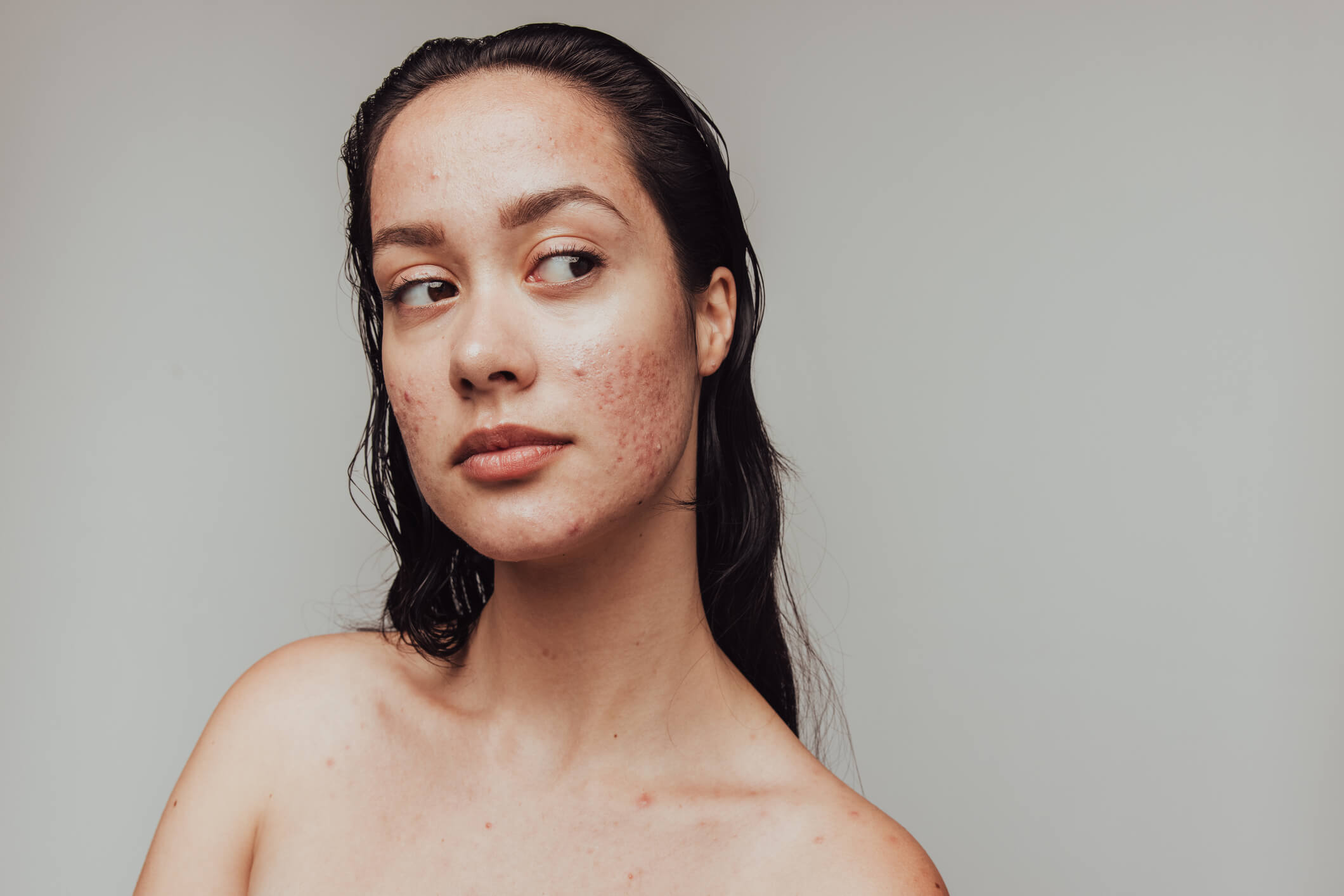
Causes of Back Acne
Regular exfoliation can help remove dead skin cells, preventing them from becoming part of the acne problem. Hair follicles can impact back acne development in a couple of ways. Firstly, the hair on our backs can trap sweat and oils, creating an environment conducive to acne. Secondly, these follicles are connected to oil glands. When hair follicles become clogged with dead skin cells or oils, they can form a pimple. Appropriate body hygiene, including showering after sweating and using non-comedogenic body washes, can help in managing and preventing back acne.
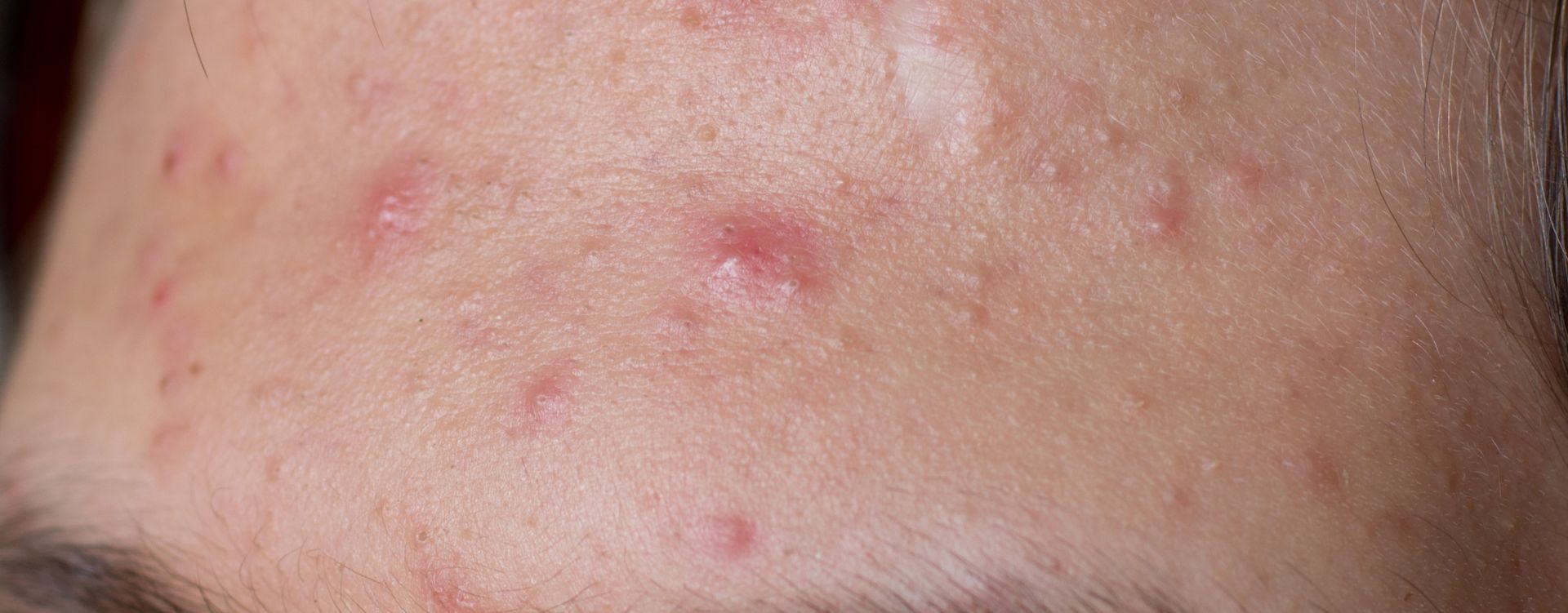
Sebaceous glands, which reside alongside hair follicles, produce sebum, an oily substance that helps keep the skin moisturised. However, an overactive sebaceous gland can produce too much oil. When there's an excess of sebum, it can lead to the pores becoming clogged and inflamed, which, in turn, causes acne. Balancing the skin's moisture with products tailored for oily or acne-prone skin may aid in regulating sebum production. An overproduction of sebum is one of the key factors that can exacerbate back acne. The greater the amount of sebum produced by the oil glands, the higher the risk of pore blockages that can develop into acne. Hormonal changes, stress, and certain medications can increase sebum production, which emphasises the need for targeted treatments to keep the skin clear.
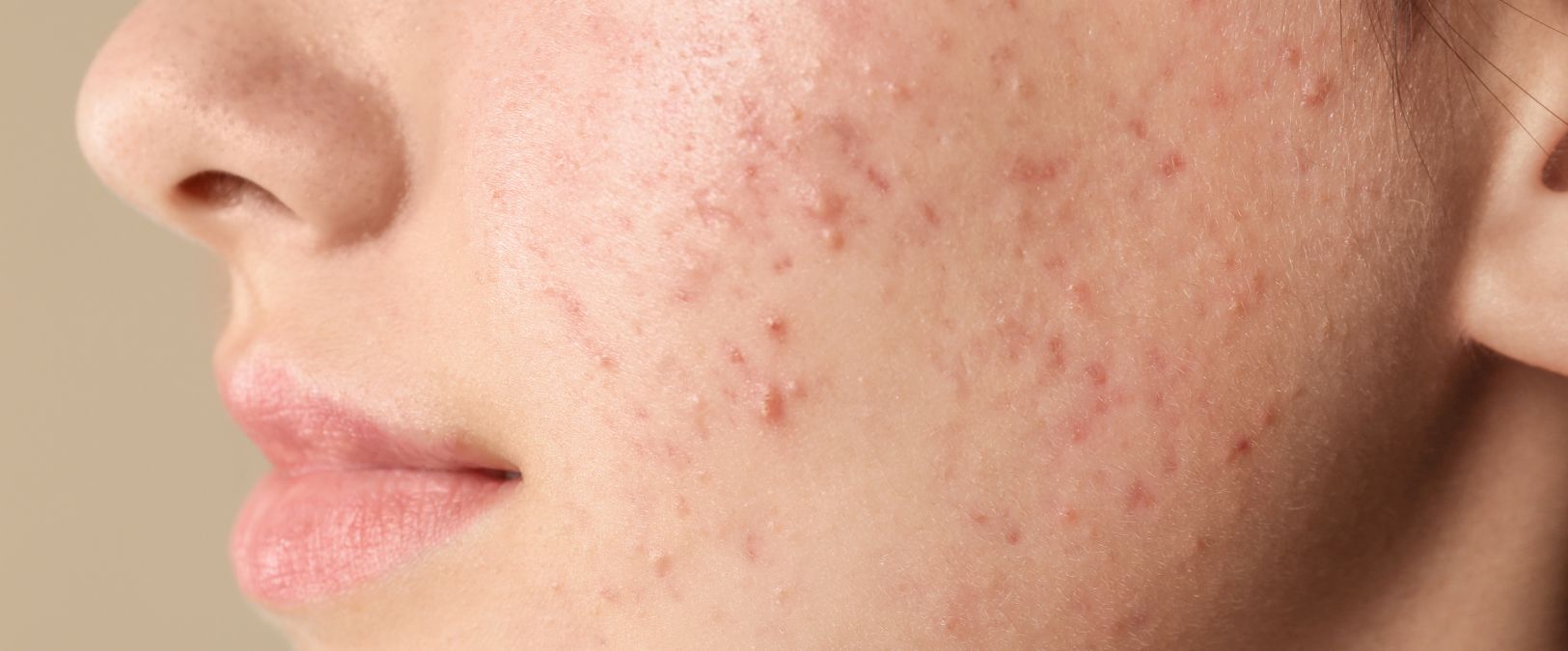
Bacterium lives on the skin and generally doesn't cause problems. However, when pores are clogged with oil and dead skin cells, these bacteria thrive, causing inflammation and acne. Regular cleansing and antibacterial treatments can keep these bacteria under control to reduce and prevent back acne. Back acne arises from a complex interplay of factors like dead skin cells, clogged hair follicles, overactive sebaceous glands, an overload of sebum production, and the proliferation of acne-causing bacteria. Addressing these elements through dedicated skincare routines and, if necessary, medical treatments, can help to clear the skin and prevent future breakouts.
Prevention Tips
To minimise the appearance and prevent the onset of back acne, adopting certain lifestyle habits can be extremely beneficial. These prevention tips are not only practical but also easy to incorporate into your daily routine. Implementing the following measures can drastically improve your skin health and reduce the likelihood of acne development. Choosing loose clothing made from breathable fabrics, such as cotton, can considerably influence your skin condition. Tight clothing tends to trap sweat and dead skin cells against the body, creating an environment conducive to acne breakouts. By opting for looser attire, you allow air to circulate around the skin, which helps to evaporate sweat and reduce the buildup of acne-causing agents on the skin's surface.
Constant friction from too-tight garments can also lead to a condition known as acne mechanica, which is triggered by heat, pressure, and friction on the skin. It is especially important to avoid tight clothing made of synthetic materials, as they can hold onto moisture, aggravate skin irritation, and worsen acne. Sweat, when mixed with natural oils and dead skin cells, can block pores and cause breakouts. It's crucial to take a shower using a gentle, non-comedogenic body wash soon after activities that cause perspiration. This will help to wash away impurities, control the growth of bacteria, and refresh the skin. If you cannot shower immediately, using a cleansing wipe can be a temporary solution to remove excess sweat and oil.
Adopting a regular cleansing routine with a gentle exfoliant can support the removal of dead skin cells and excess oils. It's recommended to cleanse at least once a day, and more frequently if you engage in activities that cause sweating. For individuals with back acne, using a body wash that contains salicylic acid or benzoyl peroxide can be particularly effective in keeping the skin clear. However, ensure not to over-exfoliate, as this can cause further irritation and exacerbate acne issues.
By following these preventative measures, you can create an effective barrier against the factors that contribute to back acne, helping you maintain clear and healthy skin.
Topical Treatment Options
When facing the challenge of back acne, a variety of topical treatments are available to help control this common skin condition. These treatments, often available over the counter or by prescription, focus on key ingredients known for their ability to combat acne. They work in various ways, such as by reducing the overproduction of sebum, combating acne-causing bacteria, and promoting the shedding of dead skin cells. Below, we explore some of the most effective topical treatments:
Benzoyl Peroxide is a notable warrior in the fight against back acne. Available in various forms including lotions, gels, and creams, it targets harmful bacteria that can contribute to acne. Concentrations can range from 2.5% to 10%, but if you have sensitive skin, it's wise to start with the lowest. As a potent agent, Benzoyl Peroxide also helps to dry out existing pimples and prevent new ones from forming. However, it may cause dryness or peeling, so it's recommended to use it in moderation and hydrate your skin properly.
Salicylic acid is another hero for acne-prone skin, renowned for its ability to exfoliate and clear out clogged hair follicles. It's a beta hydroxy acid that not only dissolves the bond that holds dead skin cells on the surface but also penetrates into the pores to remove sebum. This prevents the pores from becoming blocked and inflamed. Consistent use can lead to clearer and smoother skin but start slowly to ensure your skin doesn't become irritated.
Derived from sugar cane, Glycolic Acid belongs to the family of alpha hydroxy acids (AHAs) and acts as an exfoliant to remove dead skin and promote a more even skin tone. It's effective in treating acne by increasing cell turnover, leading to fewer blockages in the pores. Opt for products with concentrations that suit your sensitivity level and introduce them gradually into your skincare regimen to avoid overwhelming your skin.
Lactic Acid, another AHA, works similarly to Glycolic Acid by exfoliating the skin and promoting cell turnover, but it is generally gentler on the skin. It's ideal for individuals with sensitive skin who may find other acids too harsh. Lactic Acid not only helps with acne but also can improve skin texture and reduce scarring. It hydrates the skin as well, which can be beneficial for those who experience dryness from other acne treatments.
Azelaic Acid is a lesser-known but effective treatment for back acne, particularly useful for its anti-inflammatory and antibacterial properties. It helps to reduce inflammation, kill bacteria and unclog pores, making it an excellent ally in treating both inflammatory and non-inflammatory acne. Suitable for all skin types, Azelaic Acid can also work on post-acne marks and hyperpigmentation.
Incorporating these active ingredients into your skincare routine can significantly improve back acne. However, remember to be patient, as results can take several weeks to become apparent. Be sure to patch-test any new product and consult with a board-certified dermatologist for personalised advice, especially if you're experiencing severe acne.
Skincare Routine for Back Acne
Creating an effective skincare routine is pivotal when combating back acne. It can help manage and reduce breakouts by addressing the accumulation of dead skin cells, excess sebum, and the proliferation of bacteria. Below is a step-by-step guide tailored to tackle back acne.
A cornerstone of any skincare routine is cleansing, which is especially true for those with acne-prone skin. Use a gentle, non-comedogenic cleanser to avoid clogging pores. For back acne, opt for products formulated with acne-fighting ingredients such as salicylic acid or benzoyl peroxide, which can help to break down the oil, dirt, and debris that contribute to acne. It's important to cleanse the skin once or twice daily, but over-washing can lead to dryness and irritation, potentially making acne worse. Always wash gently and avoid scrubbing the affected areas too harshly. Exfoliating helps to remove dead skin cells that can clog hair follicles and lead to breakouts. For the back, consider using a chemical exfoliant containing glycolic or lactic acid once or twice a week. Chemical exfoliants are typically more suitable for sensitive skin compared to physical exfoliants, as they are less abrasive and reduce the risk of irritation. However, over-exfoliation can lead to skin irritation and should be avoided, particularly if you have sensitive or already inflamed skin.
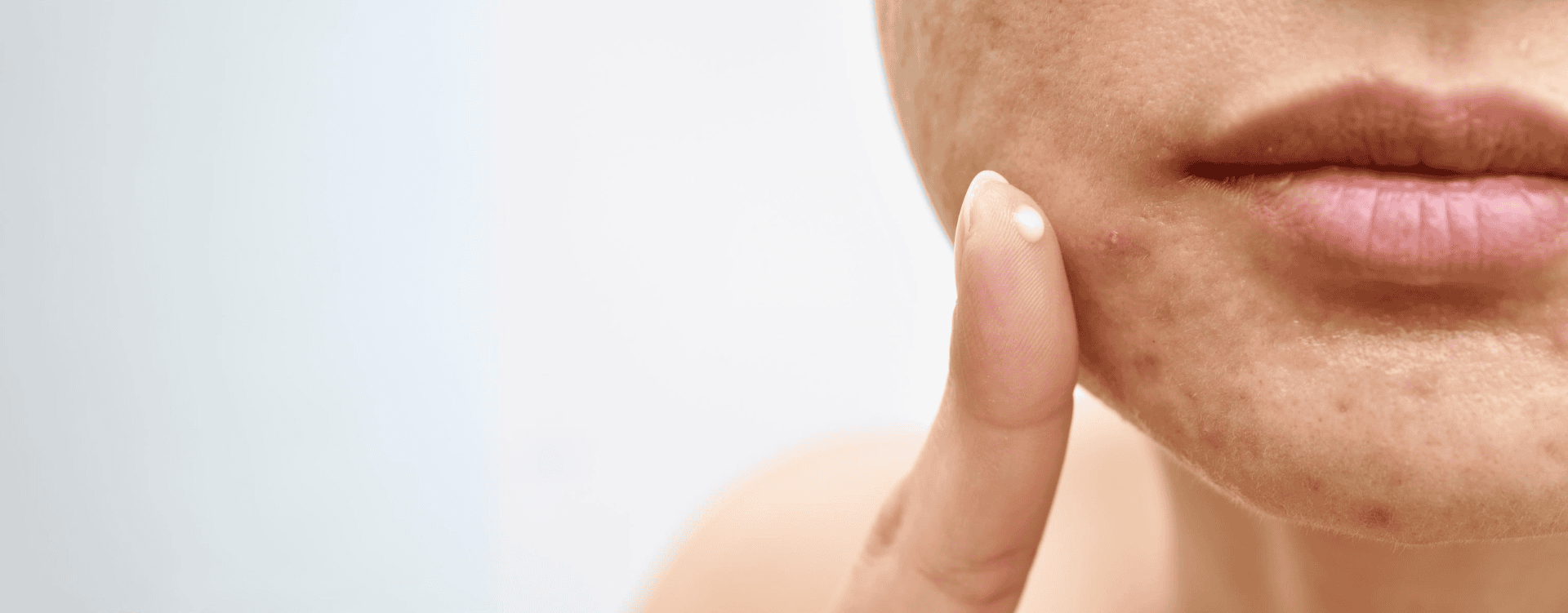
People with acne may be hesitant to moisturise, especially when their skin feels oily. However, moisturising is an important step to maintain skin health. Use oil-free and non-comedogenic moisturisers that won't clog pores. Moisturisers containing hyaluronic acid or ceramides can be beneficial as they help to hydrate the skin without adding oil. After cleansing or exfoliating, apply a thin layer of moisturiser to damp skin to lock in hydration. For isolated blemishes, spot treatments containing benzoyl peroxide, salicylic acid, or tea tree oil can be effective. These ingredients target the acne-causing bacteria and reduce inflammation. Spot treatments should be applied directly to the blemish following cleansing and before moisturising. However, be cautious of over-using these products as they can lead to dryness and skin irritation if used excessively.
When selecting a body wash to help combat back acne, look for key ingredients that fight against the common causes of acne. Products containing salicylic acid work by exfoliating the skin and clearing out pores, while those with benzoyl peroxide help reduce acne-causing bacteria and inflammation. It's advisable to avoid body washes with heavy fragrances or oils, which can worsen acne. During showers, use a gentle, non-abrasive cloth or your hands to apply body wash in a circular motion, focusing on acne-prone areas.
Remember, when dealing with back acne, patience is key. It can take several weeks to see significant improvements, so it's important to maintain your routine consistently. If your condition does not improve or becomes more severe, consult a board-certified dermatologist for more specialised treatment options.
If you are seeking a solution to acne-related skin concerns in London, PHI Clinic emerges as the leader in effective treatments and personalised care. With a team of skin experts, innovative acne treatments, and a commitment to quality. PHI Clinic is committed to assisting you in achieving your goals or desired outcome.