What hormonal acne is: why it behaves differently
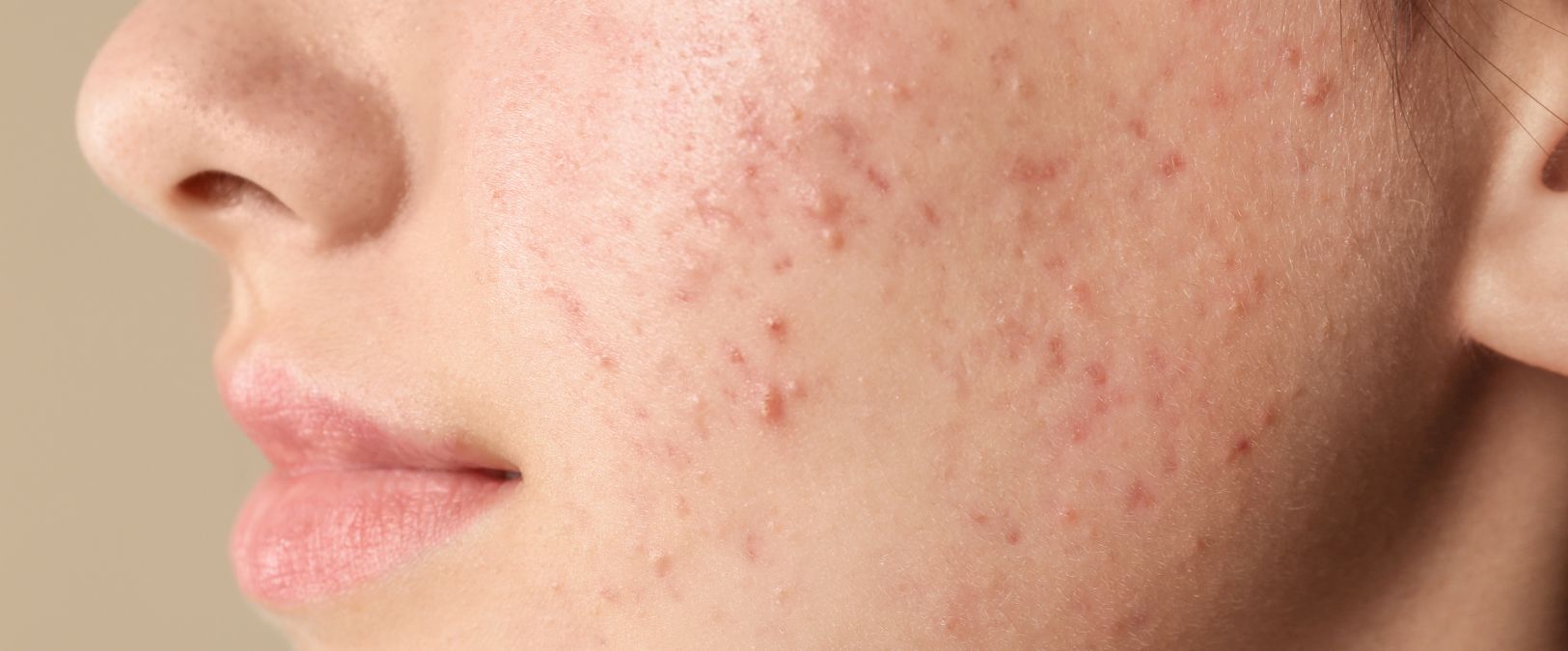
Hormonal acne is acne driven by changes in androgen activity. Androgens are a group of hormones that includes testosterone and DHT. They stimulate the sebaceous glands in the skin to produce more oil, and that excess oil combines with dead skin cells to clog pores. When this process is shaped by a hormonal pattern rather than by external triggers, the acne tends to appear and behave differently from the acne you might have had in your teens.
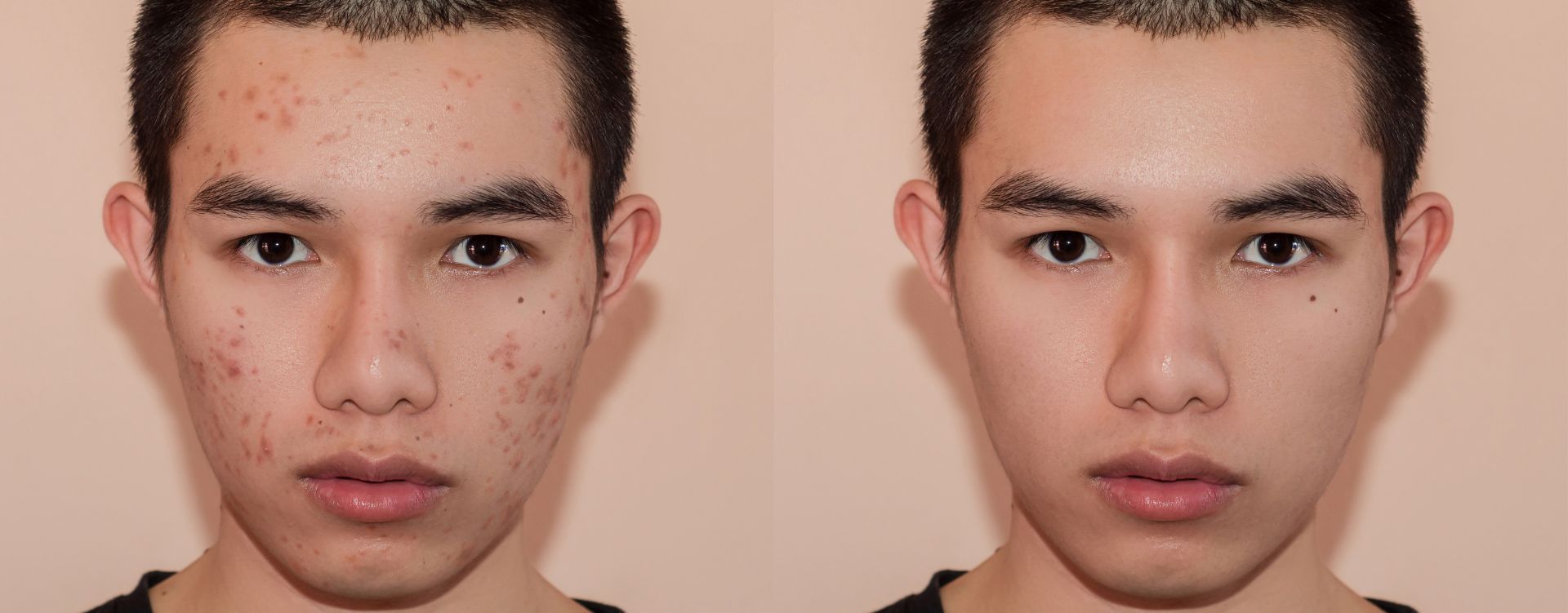
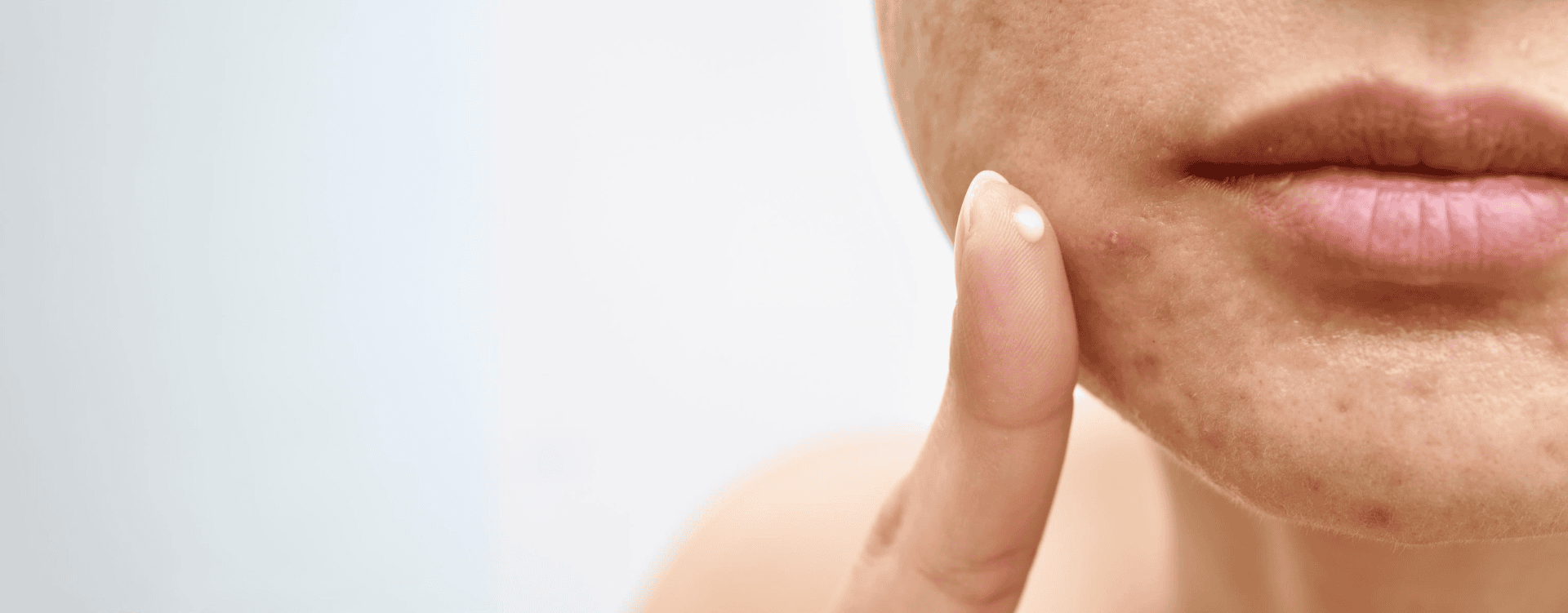
The pattern is recognisable. Hormonal acne usually shows up along the lower third of the face: the jawline, chin and perioral area, rather than the forehead and cheeks. The lesions tend to be deep, painful and slow to resolve. Cystic and nodular forms are more common than whiteheads or blackheads. And the timing is often cyclical, with flares concentrated in the luteal phase before menstruation.
It can begin at any age and is particularly common in women in their late twenties and beyond. For some, it is the late onset of a problem they never had as a teenager. For others, it is the continuation of teenage acne that did not resolve. It is also common in conditions such as polycystic ovary syndrome (PCOS), where the combination of androgen excess and insulin resistance can amplify sebum production.
What we look for in a consultation
The pattern of breakouts matters more than the appearance of individual spots. When patients come to PHI Clinic with what they suspect is hormonal acne, we take a detailed history that covers the cycle pattern, where the breakouts tend to concentrate on the face, whether stress correlates with flares, and what topical and oral treatments have already been tried. We also ask about wider hormonal symptoms, including irregular periods, weight changes and hair changes, that might point to an underlying endocrine issue worth investigating with your GP.
This matters because hormonal acne is not always best treated by the clinic alone. Some patients benefit most from a combined approach where a GP or endocrinologist manages the systemic side and we deliver the in-clinic treatment that addresses sebum production and surface inflammation. The honest answer for some patients is that medical aesthetics is part of the plan, not the whole plan.
Why topical treatments often fall short
Topical retinoids, benzoyl peroxide and topical antibiotics work on inflammation, bacteria and skin cell turnover at the surface. They are appropriate first-line treatments and many patients respond well to them. But for true hormonal acne, the underlying driver is increased sebum production caused by androgen activity. Topical treatments do not change that. They manage what surfaces; they do not reduce what is produced.
This is why patients with hormonal acne often experience the same cyclical pattern even after a long course of topical or oral antibiotic treatment. The skin clears for a while, then a new flare arrives on the same monthly schedule. The treatment changes the symptoms; the underlying biology continues.
The in-clinic options that target hormonal acne
AviClear
AviClear is an FDA-cleared laser device manufactured by Cutera. It uses a 1726-nanometre laser to selectively target and suppress the sebaceous glands beneath the skin, reducing sebum production at source. By addressing the underlying cause rather than the surface symptoms, AviClear changes the biology that drives hormonal acne rather than managing what it produces.
PHI Clinic was the first UK clinic to introduce AviClear in 2023. Dr Tapan Patel, our Medical Director, is a Key Opinion Leader for Cutera, which means our clinicians are trained directly by the device manufacturer. The standard course is three thirty-minute sessions, spaced four to six weeks apart. AviClear is suitable for all skin types and tones, including darker skin where pigmentation risks would normally restrict the use of traditional laser treatments. It can be used from the age of thirteen. In the clinical studies that supported FDA clearance, 87% of patients saw at least half of their acne resolve at the six-month follow-up.
An AviClear course of three sessions at PHI Clinic is £3,850. AviClear is not suitable during pregnancy.
Medical skincare
For some patients, the right route is prescription-strength skincare rather than laser treatment, or a combination of the two. We work with Obagi, iS Clinical and other clinical-grade systems that include ingredients with established acne evidence: azelaic acid, retinoic acid, glycolic acid and salicylic acid. Skincare plans are tailored at consultation rather than purchased from a menu, because the right system depends on what your skin is already tolerating and what other treatments are in the picture.
Acne scarring
Hormonal acne often leaves behind post-inflammatory hyperpigmentation, atrophic scarring or both. The treatment for the marks is separate from the treatment for the acne itself. Once the active acne is under control, options for acne scarring include laser resurfacing, microneedling radiofrequency and pigment-targeted treatments. We will only recommend scar work once your skin is settled and recurring lesions are no longer the priority.
What good treatment looks like
Hormonal acne can be persistent because the trigger is internal. Realistic expectations matter. The aim is to break the cycle of recurring deep lesions, suppress sebum production enough that flares become smaller and less frequent, and address any scarring or pigmentation that has built up. Some patients are clear for the first time in years after AviClear. Others find their best outcome is a combination of dermatology, in-clinic treatment and the right hormonal management with their GP. For the majority, hormonal acne is a condition to be managed well rather than cured in a single visit.
What we will not do is pretend that one treatment is right for every patient, or that aesthetics alone is the answer when the underlying cause is hormonal. That is the basis of our consultation: a realistic conversation about which combination of approaches will work for you, what the timeline looks like, and what the investment is.
Book a consultation
If you suspect your acne is hormonal and you have not been able to settle it with topical or oral treatments alone, a consultation with one of our doctors or nurse prescribers will set out the right pathway. Call 0207 034 5999 or fill out our contact form to book your consultation.