Overview
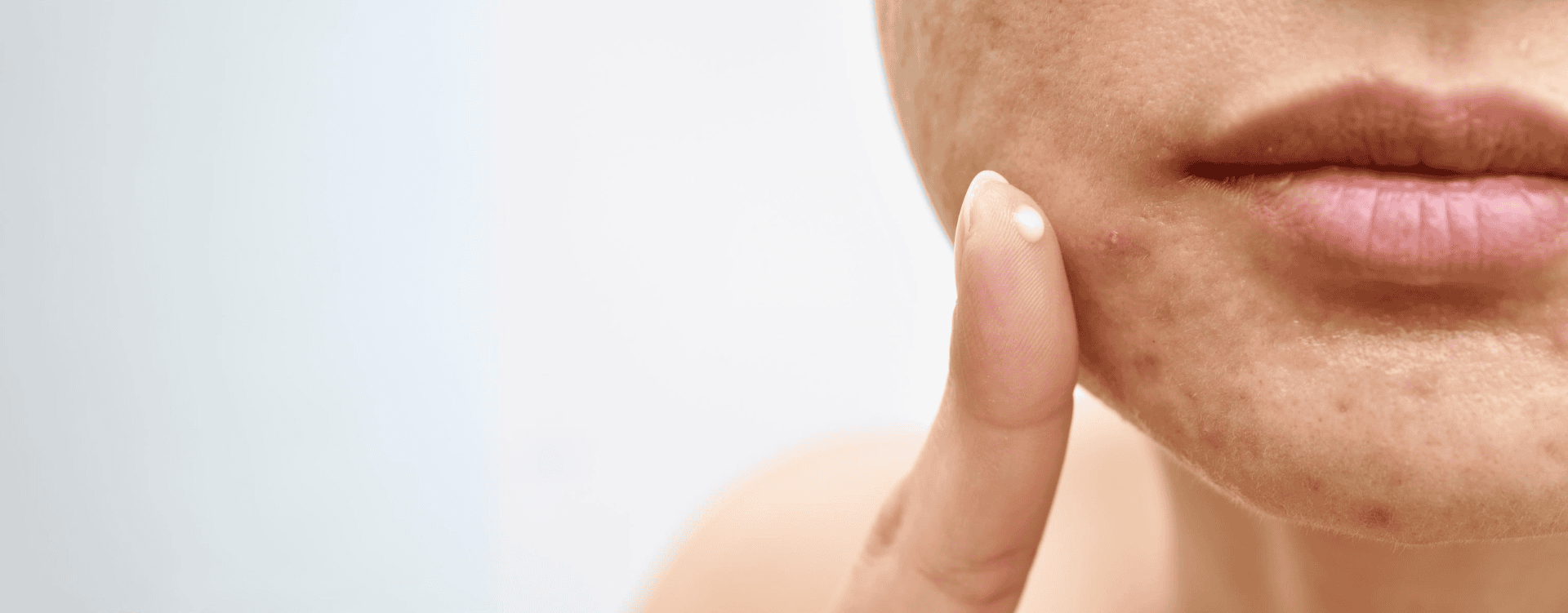
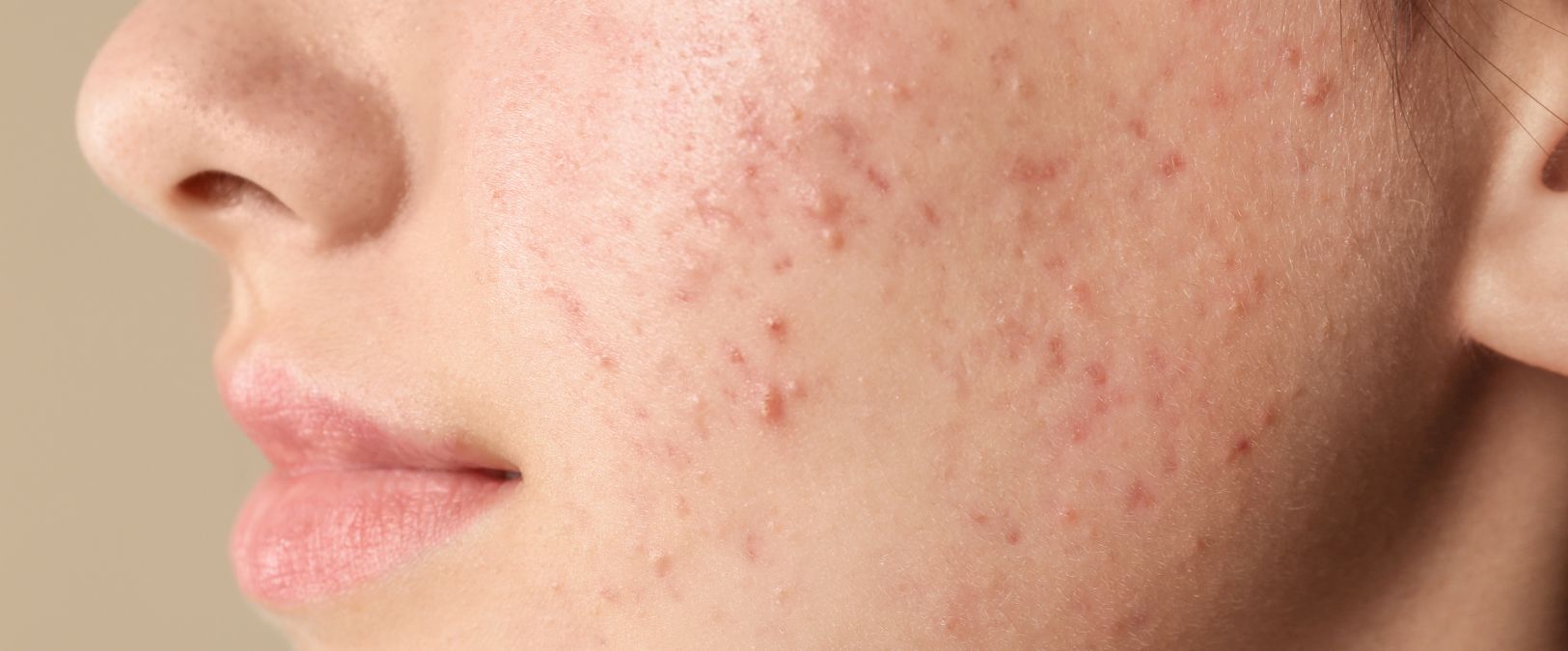
Cystic acne differs considerably from other forms of acne in both its severity and its impact on the skin. It usually begins when a pore in the skin becomes blocked with dead skin cells, excess oil, or bacteria. However, in the case of cystic acne, the blockage and resulting infection occur deep within the hair follicles. The skin's sebaceous glands, which produce an oily substance called sebum, contribute to the lesions by overproducing sebum. When the body's immune system responds to the trapped bacteria, the affected area becomes inflamed, leading to the formation of a cyst.
The condition typically affects teens and young adults but can also occur in older individuals. It's important to note that cystic acne can cause lasting scarring and significant emotional distress. Topical treatments like salicylic acid or benzoyl peroxide, which are effective for milder acne, may not be enough to combat cystic acne. Instead, dermatologists often suggest a combination of oral medications and prescription topical treatments.
Causes and Risk Factors
Cystic acne is influenced by a combination of factors, including genetic predisposition, hormonal changes, and lifestyle elements. Hormones, particularly androgens, can increase the size and activity of oil glands, leading to more severe acne. During puberty, hormonal fluctuations are common, making teenagers more susceptible to cystic acne.
Environmental factors can exacerbate this skin condition. For instance, tight clothing can trap heat and sweat, aggravating acne-prone skin. Certain cosmetics may contribute to blocked pores, further increasing the risk of developing cystic acne. Understanding that factors like diet and stress might play a role, it's crucial to maintain a balanced lifestyle to keep breakouts under control.
Additionally, skin irritation from aggressive scrubbing or picking at acne can make the condition worse. Engaging in these activities can spread the acne-causing bacteria and increase inflammation, which is especially detrimental to those with cystic acne. Individuals with oily or sensitive skin types are more prone to experiencing severe acne and should be particularly mindful of their skin care routine.
In terms of medication, experts sometimes recommend oral medication like antibiotics to reduce the presence of acne-causing bacteria. For women, certain hormonal treatments may prove beneficial. In cases resistant to other treatments, a powerful drug called isotretinoin may be prescribed. Nonetheless, all treatment options should be discussed with a healthcare provider to address this complex and challenging condition effectively.
Treatment Options for Cystic Acne
Cystic acne is a challenging and profound skin condition that requires potent and well-considered treatment strategies. Given its severity and potential to lead to significant complications, including deep scarring and emotional distress, developing an effective treatment plan is critical. Treatment options for cystic acne typically involve a combination of topical treatments, oral medications, and sometimes procedural interventions, tailored to the patient’s specific needs and skin type. It's essential for individuals with cystic acne to consult a board-certified dermatologist to map out the most suitable treatment regimen to address both the physical and psychological aspects of the condition.
Topical Treatments
Topical treatments for cystic acne are designed to reduce inflammation, clear blocked pores, and combat bacterial growth. These treatments include:
- Benzoyl Peroxide: An antibacterial agent that kills acne-causing bacteria and dries up excess oil.
- Salicylic Acid: Helps to dissolve dead skin cells and reduce swelling and redness.
- Retinoids: Vitamin A derivatives that promote cell turnover and prevent hair follicles from clogging.
- Azelaic Acid: An anti-inflammatory that reduces swelling and hyperpigmentation.
- Glycolic Acid and Lactic Acid: Alpha hydroxy acids (AHAs) that exfoliate the skin and improve its texture.
For individuals with sensitive skin, it is important to select topical treatments that do not exacerbate skin irritation. Moreover, because cystic acne goes deep into the skin, some topical treatments may be less effective and should therefore be used in conjunction with other approaches.
Oral Medications
When topical treatments are insufficient to control cystic acne, oral medications may be necessary. These can include:
- Antibiotics: Used to reduce bacteria and inflammation. However, they are typically prescribed for short-term use due to the risk of antibiotic resistance.
- Anti-Androgen Agents: Can help control acne by blocking the effects of androgens, hormones that can increase oil production.
- Isotretinoin: A powerful vitamin A derivative used for severe, treatment-resistant acne. Isotretinoin can have serious side effects and requires medical supervision.
Each oral medication comes with its own benefits and potential side effects, and a dermatologist can advise on the best approach, considering the patient's health history and the severity of the acne.
Selecting the most appropriate treatment option or combination requires a dermatologist's expertise to navigate potential side effects and interactions. It may also involve trial and error to deduce the optimal regimen for a given individual. Regular monitoring and adjustments are often necessary to ensure the most beneficial outcomes for those suffering from cystic acne.
If you are seeking a solution to acne-related skin concerns in London, PHI Clinic emerges as the leader in effective treatments and personalised care. With a team of skin experts, innovative treatments, and a commitment to quality. PHI Clinic is committed to assisting you in achieving your goals or desired outcome.
Book a Consultation
If you’re looking for a solution to acne-related skin concerns in London, PHI Clinic offers expert-led care and advanced treatment options tailored to your skin. Book a consultation with our specialist team by calling 0207 034 5999 or filling out our quick and confidential contact form. We’re here to help you achieve clearer, healthier skin with personalised support every step of the way.