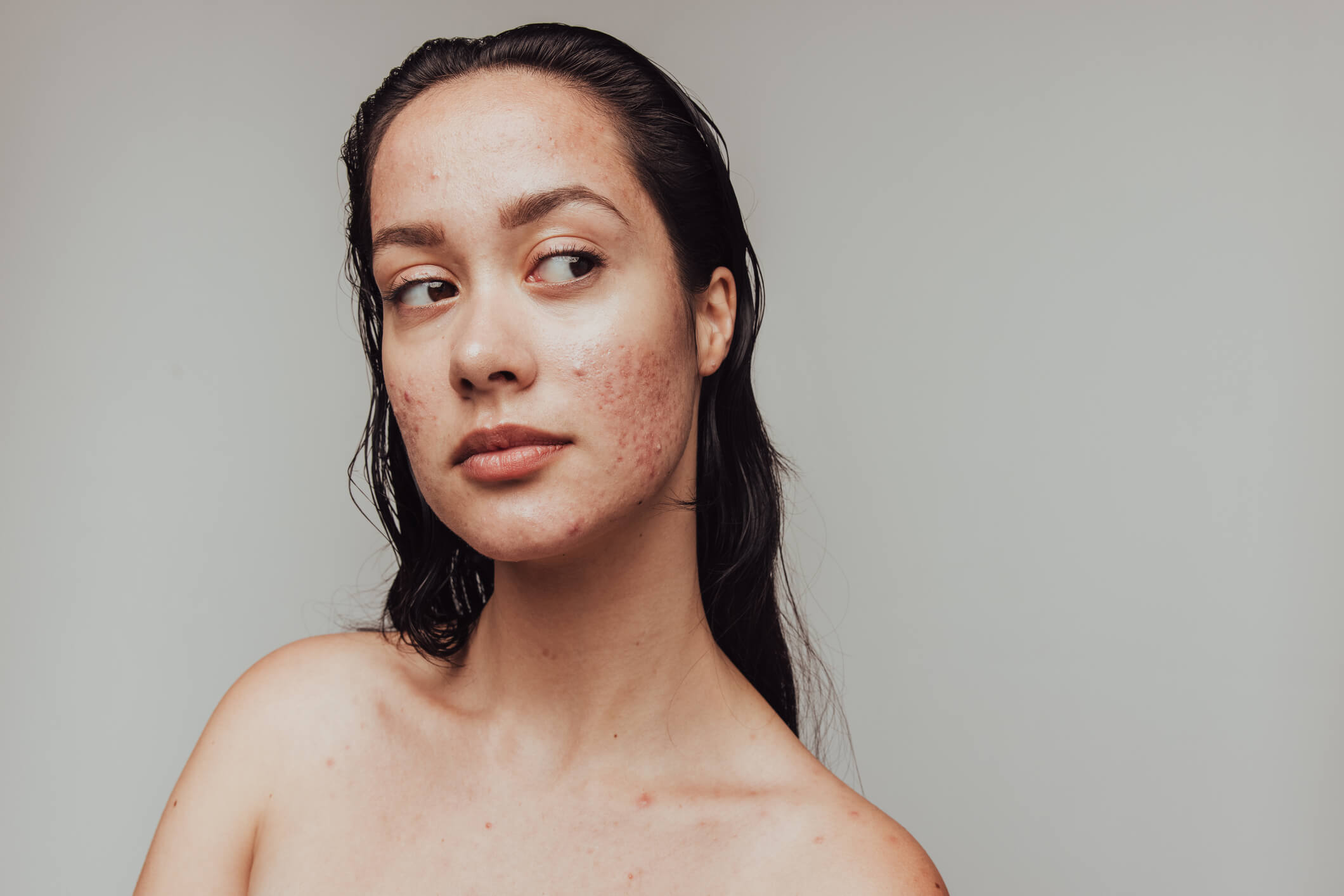
What causes forehead acne
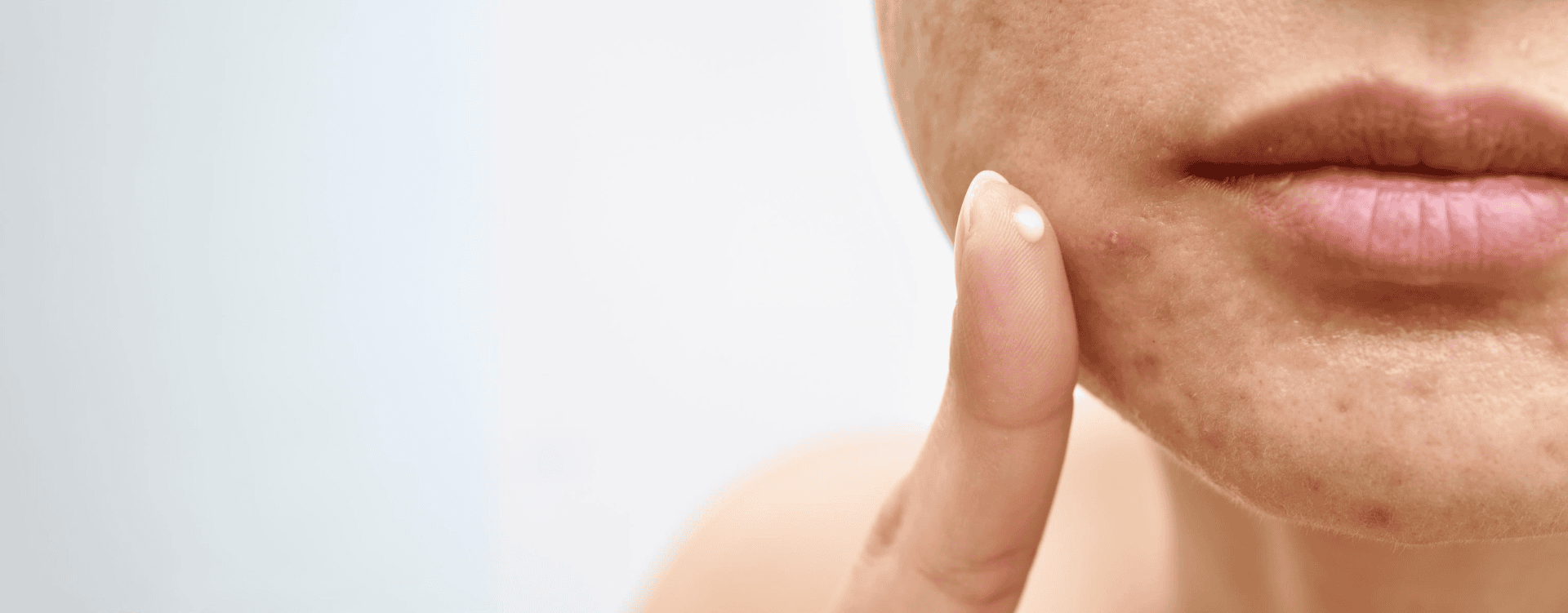
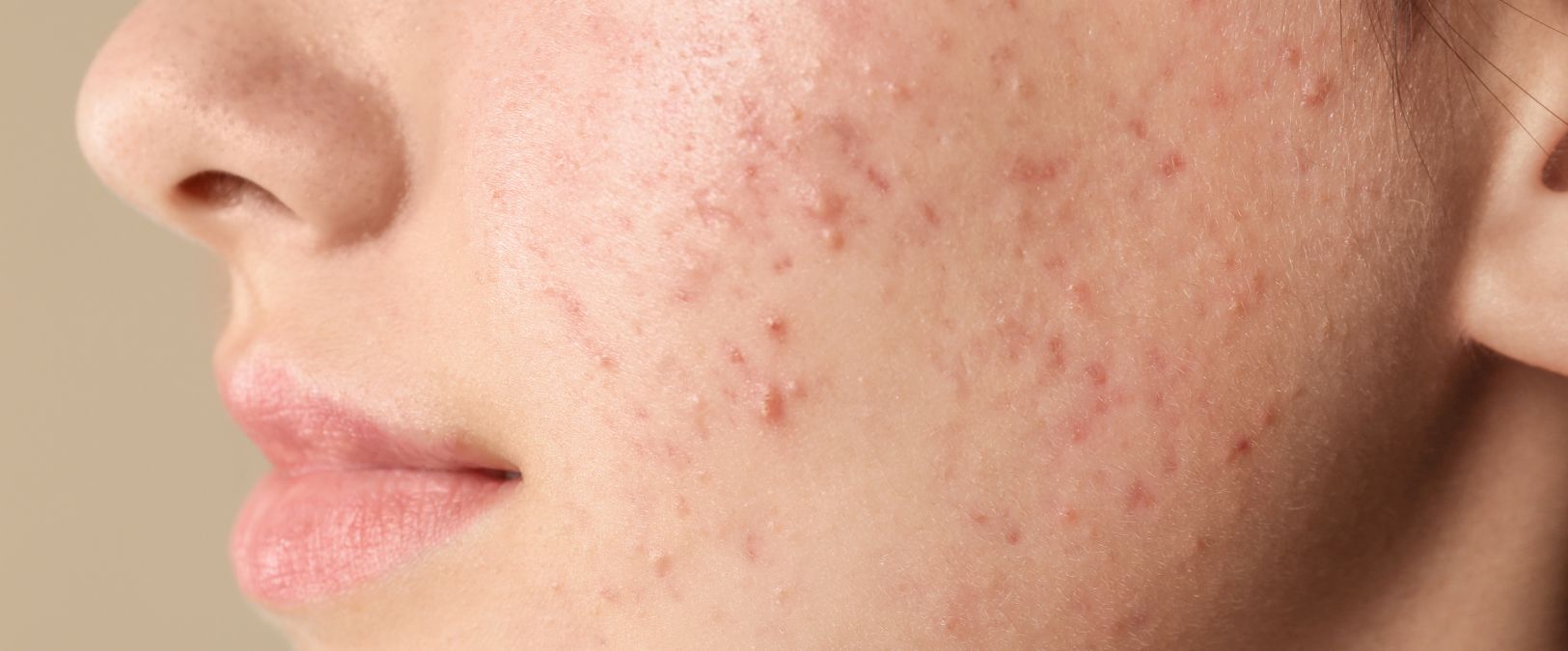
Forehead acne is a common skin condition characterised by the emergence of pimples on the forehead. It occurs when excess oil production from the sebaceous glands combines with dead skin cells to clog pores. The blockage makes an ideal breeding ground for bacteria, leading to inflammation and acne breakouts. Numerous factors can exacerbate forehead acne. Cystic acne, the most severe type of acne, involves deep, painful cysts and nodules, and can affect the forehead. Severe and moderate acne may require stronger acne treatments. Hormonal fluctuations, particularly during menstrual cycles, can also increase oil gland activity and subsequent acne worsening.
Skin type is essential; individuals with oily skin are more prone to excess sebum, which can lead to more severe acne. Furthermore, certain hair products can contribute to oily hair and forehead skin, hence initiating or aggravating acne. To tackle this skin condition, a regimen with a gentle cleanser, salicylic acid, and careful use of non-comedogenic skin care products may be beneficial. In stubborn cases, oral medications like oral antibiotics and topical antibiotic applications are often prescribed. For persistent or inflammatory acne, professional acne treatments are available options.
Types of forehead acne
Acne on the forehead can manifest in several types, each with differing severity and implications for treatment. Understanding the type of acne is important for effectively managing and treating the condition.
Cystic acne
Cystic acne represents the most severe form of acne, characterised by the presence of deep, inflamed, and often painful cysts or nodules. This type of acne breakout can linger beneath the skin for weeks or even months, and due to its depth, cystic acne can also lead to scarring. Management often requires a combination of oral medications, such as oral antibiotics, and possibly hormonal treatments, under the care of a dermatologist.
Inflammatory acne
This category includes red, swollen pimples that are more superficial compared to cystic acne but can still cause discomfort and redness. Inflammatory acne occurs when clogged pores become infected with bacteria, leading to inflammation. Topical antibiotics alongside a skin care routine that includes products like salicylic acid can help reduce inflammation and treat this type of acne.
Moderate acne
Moderate acne is characterised by a greater number of acne lesions, which might include a combination of blackheads, whiteheads, and inflamed pimples. For those with moderate acne, over-the-counter treatments might be insufficient, and professional treatment, including stronger topical formulations or oral medication, may be necessary. Regular exfoliation to remove dead skin cells and keeping the skin hydrated can help manage this type of acne.
Treating and preventing forehead acne
Treating and preventing forehead acne involves a multi-faceted approach that targets the root causes of acne, like excess oil production, clogged pores, and the presence of acne-causing bacteria. The aim is to establish a skincare routine that mitigates these causes while also addressing active breakouts.
Gentle cleanser and exfoliation
One of the first steps in maintaining clear skin is the use of a gentle cleanser. This helps to remove excess sebum, sweat, hair products, and other impurities that can contribute to forehead acne without over-stripping the skin of its natural oils. It's critical to choose a product suitable for your skin type, whether oily, dry, or combination skin, as the right formulation can help balance the skin's condition.
Exfoliation is another key element in the treatment and prevention regimen, helping to rid the skin of dead skin cells that can clog pores. However, it's important to exfoliate moderately to avoid aggravating the skin, which can actually make acne worse. Physical scrubs may be too harsh for sensitive or acne-prone skin, and chemical exfoliants like alpha or beta hydroxy acids (AHAs and BHAs) offer a gentler alternative to keep pores clear.
Salicylic acid and topical treatments
Salicylic acid is a beta hydroxy acid known for its effectiveness in penetrating oil glands and exfoliating the skin to clear clogged pores. Products containing salicylic acid can significantly reduce the occurrence of new acne lesions by preventing dead skin cells from accumulating.
Topical treatments, which often include benzoyl peroxide, retinoids, and topical antibiotics, can be applied directly to affected areas to combat bacteria, reduce inflammation, and promote skin cell turnover. These are typically used once or twice a day, following a gentle cleansing routine, and are an integral part of managing both inflammatory and non-inflammatory types of acne.
Oral medications and antibiotics
In cases of severe acne, particularly cystic and severe inflammatory acne, topical treatments may not be sufficient. Oral medications such as oral antibiotics can help reduce the presence of acne-causing bacteria and inflammation from within. When the acne is hormonally influenced, as may be the case around menstrual cycles, oral contraceptives or anti-androgen drugs might be prescribed to help regulate hormone levels and thereby lessen excess oil production.
Additionally, prescription retinoids taken orally, such as isotretinoin (commonly known as Accutane), may be considered for persistent and severe forms of acne that do not respond well to other treatments. Due to potential side effects, these strong medications require careful monitoring by a healthcare provider. In all cases, it's pivotal for individuals to consult with a dermatologist to determine the most appropriate treatment plan tailored to their specific type of acne and skin condition. This ensures not only the effective management of current acne but also the implementation of preventative measures to minimise future breakouts.
Your skin type can change with seasons, age, and health, so reassess periodically and adjust your products and skincare routines as necessary.
By incorporating these preventive measures, you can significantly reduce the likelihood of developing forehead acne. Hydration, suitable products, and an understanding of your skin type are foundational steps to maintaining clear, acne-free skin.
The key is consistency and patience as results may vary from person to person and take time to manifest. If you experience persistent or severe acne, consider consulting a dermatologist for a personalised treatment plan.
At PHI Clinic, we prioritise safety and care in everything we do, taking the time to understand each patient's wants and needs. This personalised approach leads us to create bespoke treatment plans, considering factors like skin type, lifestyle, and acne triggers. We go the extra mile by offering patients individually tailored at-home routines to promote clearer and healthier skin. If you are seeking a solution to acne-related skin concerns in London, PHI Clinic emerges as the leader in effective treatments and personalised care. With a team of skin experts, innovative treatments, and a commitment to quality.