For many people living with acne, skin flare-ups don’t follow a consistent pattern. Instead, they change with the seasons.
Some patients notice their breakouts intensify in hot, humid weather, while others find the colder months bring more irritation and congestion. At PHI Clinic, we understand how environmental changes affect skin, and why acne may behave differently in summer and winter.
By identifying these triggers, we can help patients manage their acne treatment with more confidence and control.
Why does acne flare with seasonal changes?
The skin is highly responsive to external conditions. Heat, cold, humidity, and sun exposure all influence how it produces oil, sheds dead skin cells, and protects its skin barrier. For those prone to acne, these changes can worsen symptoms at certain times of year.
Seasonal acne triggers are linked to:
- Variations in sebum (oil) production
- Sweat and heat exposure
- Dryness and barrier disruption
- Irritation from skincare or environmental stressors
- Hormonal and lifestyle shifts linked to seasonal routines
By understanding how these factors interact with skin, acne treatment can be tailored not only to the type of acne but also to the time of year when symptoms are at their worst. This includes addressing seasonal variation and how it contributes to pore clogging.
Summer acne: oil, sweat, and UV exposure
In the summer season, the combination of heat and humidity often accelerates sebum production, leaving skin shinier and pores more likely to clog. Sweat can mix with oil and debris, creating the perfect environment for breakouts, particularly on the forehead, chest, and back. Sunscreen, while essential, may worsen clogged pores if heavy or comedogenic formulas are used.
Other seasonal factors include:
- Excess sebum stimulating acne-causing bacteria
- Sweat contributing to clogged pores and blackheads
- UV exposure temporarily masking redness, but worsening pigmentation once spots heal
- Cosmetics and SPF that can trigger comedones if not carefully selected
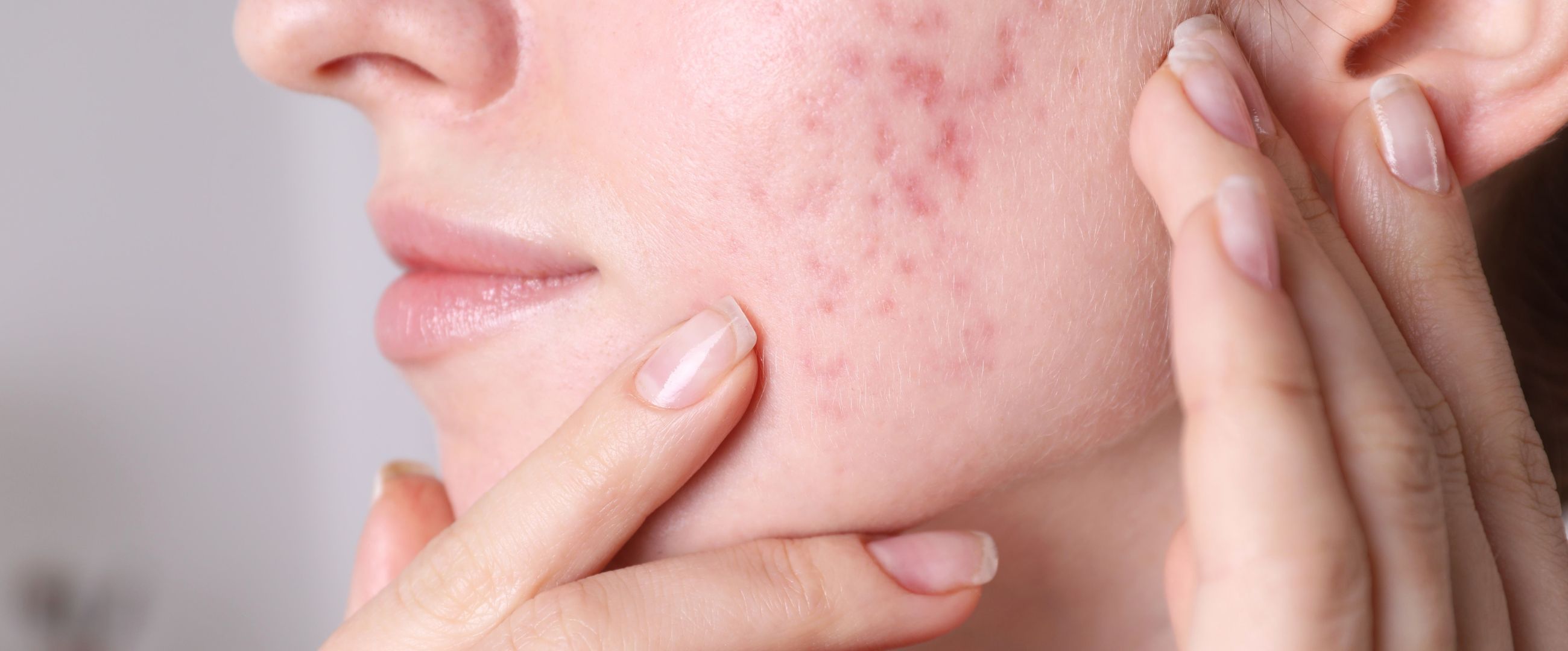
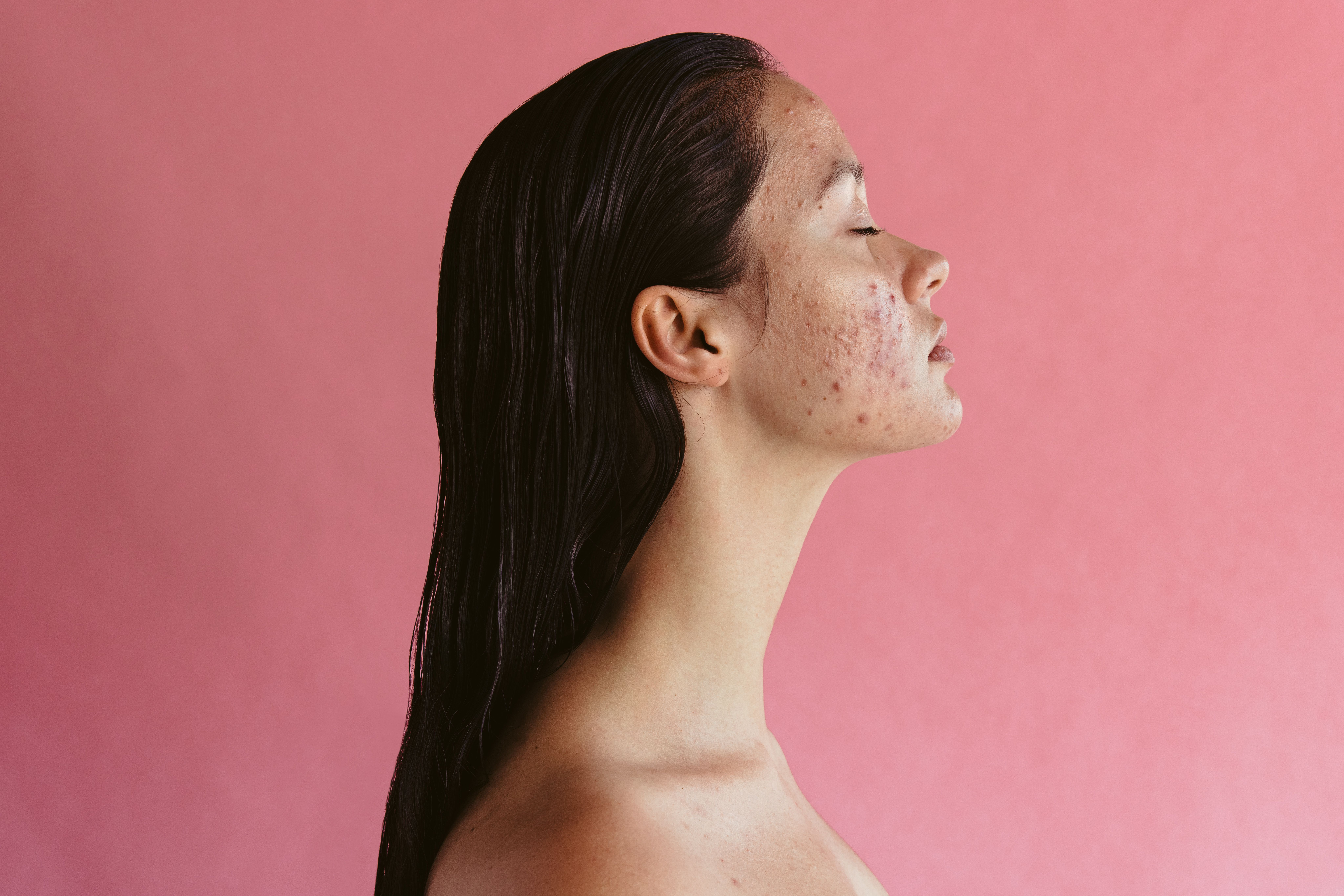
Patients often describe summer acne as more oily, with blackheads, pustules, and inflamed spots that feel difficult to manage, requiring changes to their skincare routine or the addition of a targeted spot treatment.
Winter acne: dryness, irritation, and barrier damage
In winter, acne flare-ups tend to have a different character. Cold outdoor air combined with indoor heating strips the skin of natural moisture, disrupting the barrier and leaving it prone to inflammation. For some, this dryness triggers a rebound effect, where the skin produces more oil in an attempt to compensate, causing congestion.
Common triggers in winter include:
- Dryness and barrier disruption, leading to inflammation
- Overcompensation with oil, which clogs pores
- Harsh cleansers or over-exfoliation, inflaming sensitive skin
- Reduced sunlight, which may affect hormones, mood, and stress
This type of acne is often described as sore and persistent, with red spots that take longer to heal. Cystic acne can become more prominent, and patients also report increased skin sensitivity to products such as benzoyl peroxide or glycolic acid during colder months.
Does everyone experience seasonal acne?
Not all acne follows this seasonal pattern. Some people experience flare-ups only in summer, others in winter, and some remain relatively stable year-round. Factors such as genetics, skin type, and acne severity determine how strongly the skin reacts to seasonal shift. At PHI Clinic, we emphasise personalised diagnosis, as most patients present with a combination of triggers, including acne vulgaris, that require tailored management based on skin assessment and lifestyle.
How PHI Clinic treats seasonal acne
At PHI Clinic, we approach acne with advanced diagnostics and doctor-led care. Treatment plans are then designed to address both the acne itself and the seasonal triggers behind it. Options may include:
- Medical-grade skincare to balance oil production and protect the skin barrier
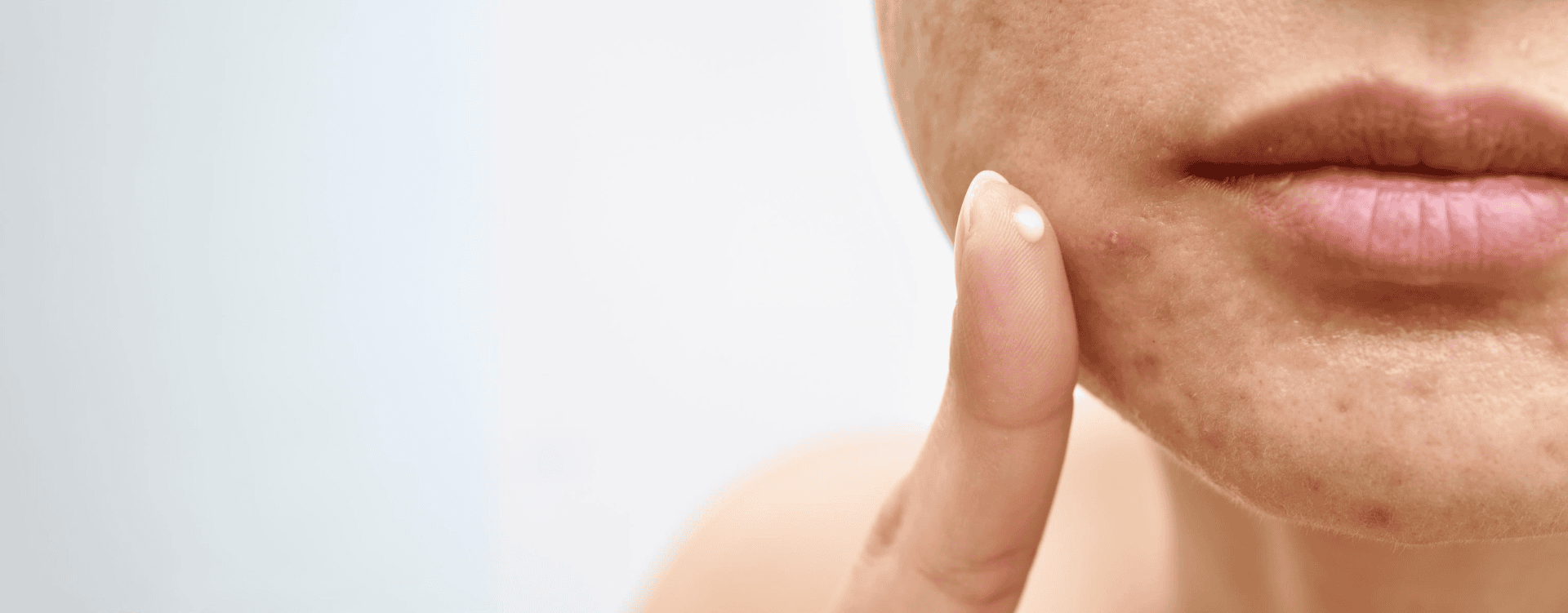
- Active ingredients like salicylic acid, glycolic acid, or benzoyl peroxide as part of a personalised skincare regimen
- Laser therapies such as AviClear to target sebaceous gland activity
- Resurfacing treatments for post-acne scarring or pigmentation
- Lifestyle and skincare guidance to adapt your cleansing routine across different seasons
By combining technology with expertise, we help patients achieve clearer skin that feels manageable throughout the year with a more consistent skincare routine.
The impact on confidence
Seasonal acne is not only a skin condition but also one that affects confidence and wellbeing. Patients often tell us that flare-ups during holidays, the summer season, or the darker winter months feel particularly frustrating. At PHI Clinic, we recognise this impact and focus on treatments that not only target the skin itself but also support long-term confidence, helping patients feel more in control of their skincare regimen and acne journey.
Take control of your skin health with expert-led care
If your acne worsens in summer or winter and you are searching for a tailored approach, our team at PHI Clinic can help. With advanced technology, evidence-based treatments, and medical expertise, we create acne treatment plans designed to manage seasonal triggers and improve overall skin health.
Book your consultation today at PHI Clinic and take the first step towards clearer, healthier skin all year round.