For more videos, follow PHI Clinic on Instagram @phiclinic
How CO₂ Laser Works
The CO₂ laser uses a wavelength of 10,600 nm to target water molecules within the skin’s cells. This ablative laser energy gently vaporises damaged tissue while delivering controlled thermal energy beneath the surface. The process triggers fibroblasts to produce new collagen and elastin, strengthening the skin’s structure and improving elasticity.
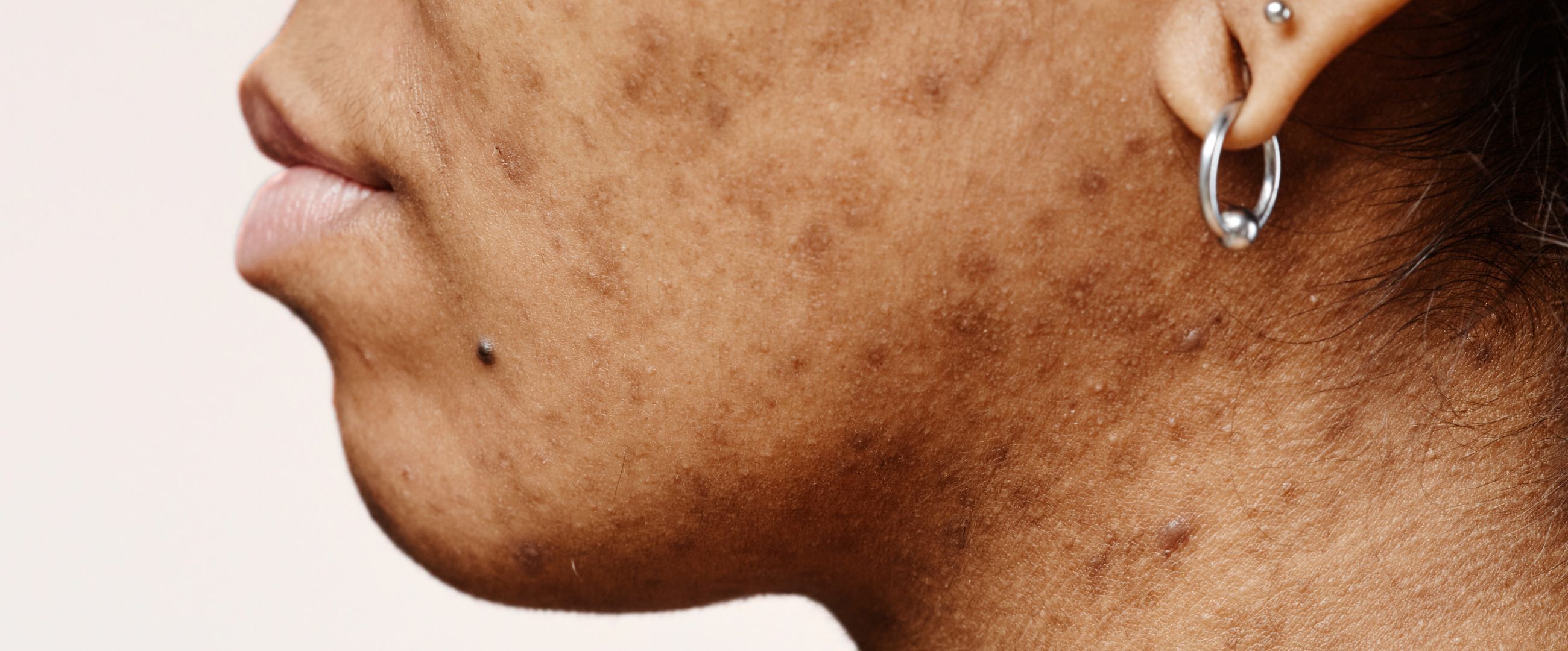
The result is a visible renewal of the skin as fine lines, blotches, acne scars, and pigmentation fade, revealing smoother and clearer skin over time. This controlled laser therapy also supports tissue healing, improving skin firmness and reducing the appearance of vascular lesions and minor spider veins.
Fractional Technology: The Next Generation of Laser Rejuvenation
Traditional ablative laser resurfacing treated the entire skin surface, often requiring extended downtime. Modern fractional CO₂ laser technology, used at PHI Clinic through Secret PRO and UltraClear systems, delivers the same powerful results through a more refined approach.
Fractional lasers create thousands of microscopic treatment zones, leaving surrounding skin intact to accelerate recovery. This precision makes it ideal for improving rosacea, hyperpigmentation, and textural irregularities without prolonged redness or irritation. Fractional CO₂ systems are part of a new generation of Laser/IPL technology, designed for deep collagen stimulation and minimal post-treatment recovery.
Other light source treatments, such as Erbium lasers, Nd:YAG lasers, and pulsed dye lasers, can target specific concerns like redness or blood vessels, but CO₂ laser resurfacing remains unmatched for comprehensive rejuvenation and texture refinement.
What Skin Concerns Does CO₂ Laser Treat?
The CO₂ laser treatment can address a wide range of concerns, from superficial blemishes to deep textural changes. It is effective for:
- Fine lines and wrinkles around the eyes and mouth
- Sun damage and uneven pigmentation
- Acne scars and pitted texture
- Enlarged pores and dullness
- Stretch marks and keloid scars
- Skin laxity and hyperpigmentation
Because it targets both the epidermis and dermis, this fractional laser resurfacing technique enhances skin appearance while promoting smoother, more even-toned results. It can also be used alongside nonablative fractional laser treatments or light emitting diodes (LED) therapy to maintain long-term rejuvenation.
The Science Behind the Results
Recent research continues to validate CO₂ laser as one of the most effective non-surgical methods for skin rejuvenation. A 2023 clinical study published in Medicina examined a combined CO₂ and 1540 nm wavelength treatment to assess wrinkle reduction and collagen stimulation in 20 women aged between 45 and 65 years.
The findings were remarkable: participants experienced a 39% average reduction in wrinkle severity alongside improved skin firmness and texture. The study concluded that the CO₂ wavelength plays a “synergistic role” in promoting collagen renewal and achieving significant rejuvenation outcomes with minimal downtime (Belletti et al., 2023).
This reinforces what practitioners have long observed in clinical practice, that CO₂ laser technology remains the most powerful tool for resurfacing and restoring the skin’s youthful structure.
What to Expect During Treatment
At PHI Clinic, every CO₂ laser resurfacing plan begins with a full skin consultation. Practitioners assess tone, texture, and collagen levels to customise energy settings and pulse duration for your specific goals.
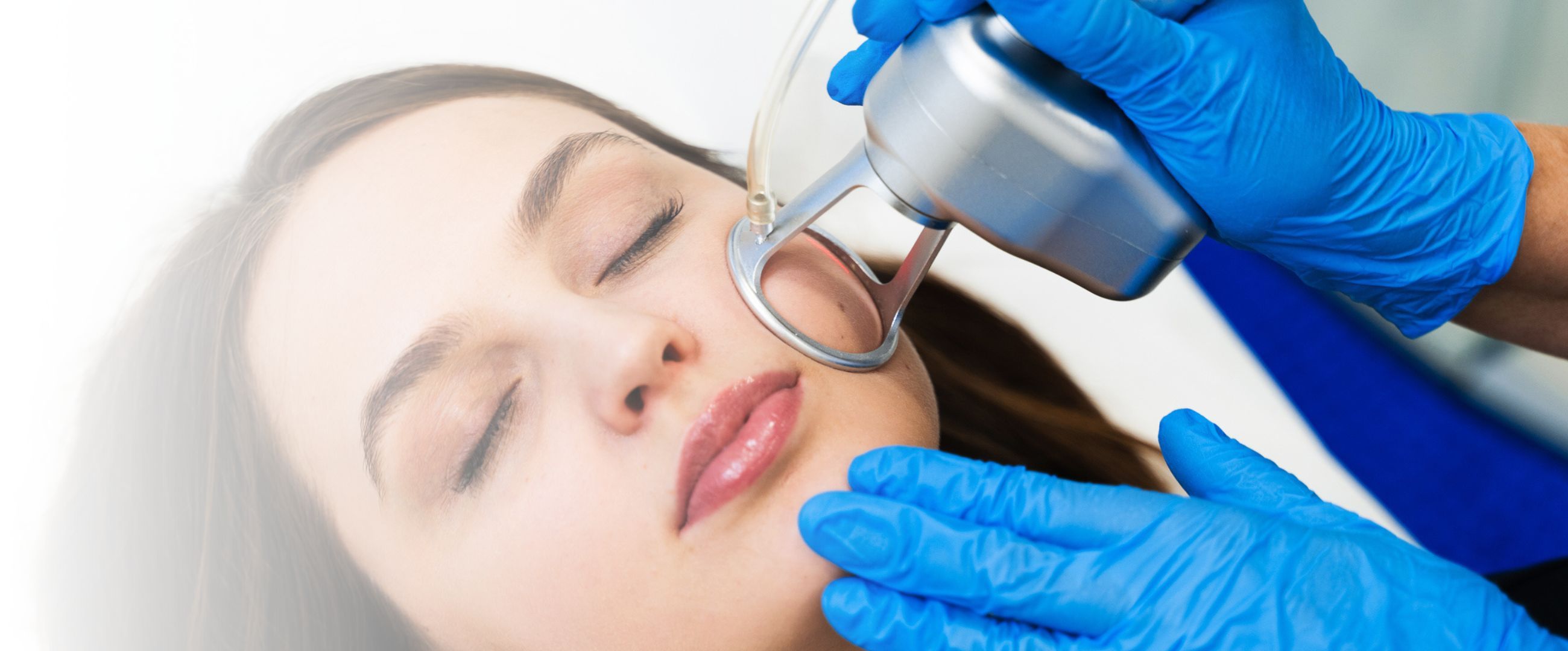
During the session, a topical anaesthetic ensures comfort while the ablative fractional laser delivers controlled micro-pulses across the skin. The depth and energy level are carefully adjusted to treat concerns such as acne scars, vascular lesions, and fine lines. Depending on the area, treatments typically last 45 to 60 minutes.
Erbium YAG and nonablative laser options may also be discussed for patients requiring lighter resurfacing or reduced downtime.
The Recovery Process
Following CO₂ laser resurfacing, the skin appears red and may feel warm, similar to mild sunburn. Over the next several days, new skin cells gradually replace the treated layers, revealing smoother and clearer skin beneath.
Most patients experience visible renewal within 7–10 days, with continued improvement in tone, texture, and firmness over the following months as new collagen forms and matures. Practitioners at PHI Clinic provide a bespoke aftercare plan, including medical-grade skincare and sun protection, to enhance recovery and maintain results.
Long-Term Benefits
The benefits of CO₂ laser resurfacing extend far beyond initial healing. The dermal collagen continues to remodel for months, improving firmness, elasticity, and overall skin appearance. Patients notice that fine lines soften, pigmentation fades, and the skin retains a more luminous tone.
Clinical studies show sustained patient satisfaction with both ablative and nonablative fractional laser treatments when performed by trained practitioners. With proper skincare and sun protection, results can last several years before maintenance treatments are considered.
Why CO₂ Laser Stands Apart
While many treatments focus on surface-level enhancement, CO₂ laser resurfacing works deeper, addressing both the outer skin texture and the underlying collagen network. This dual action is what makes it such a powerhouse for rejuvenation.
Key advantages include:
- Significant improvement in fine lines, pigmentation, and texture
- Deep collagen stimulation for long-lasting firmness
- Reduced pore size and smoother skin tone
- Minimal risk of pigment change when performed by trained practitioners
- Noticeable results after a single treatment
It is a powerful solution for patients seeking a transformative approach that restores youthful vitality without surgery.
Is CO₂ Laser Right for You?
The treatment can be tailored to a range of skin types and concerns. During your consultation, our team will determine the ideal treatment settings and depth for your goals, whether that is overall rejuvenation, scar revision, or targeted correction of fine lines and pigmentation.
Patients who have active acne, very dark skin tones, or certain medical conditions may be better suited to alternative treatments, which can be discussed during your assessment.
The PHI Clinic Approach
All CO₂ laser treatments are performed by experienced practitioners using state-of-the-art systems including Secret PRO and UltraClear. These devices combine ultra-short pulses and advanced scanning precision to enhance collagen production and skin renewal while protecting surrounding tissue.
Each treatment is fully customised to the patient’s skin type, comfort level, and goals. Our practitioners focus on achieving natural, balanced rejuvenation that enhances the skin’s integrity and radiance without over-treating.
Book a Consultation
To find out whether CO₂ laser resurfacing could help rejuvenate your skin, book a consultation with one of our experienced practitioners at PHI Clinic. We will assess your skin, discuss your goals, and design a personalised plan to help you achieve smoother, brighter, and more youthful-looking skin.