Before your appointment
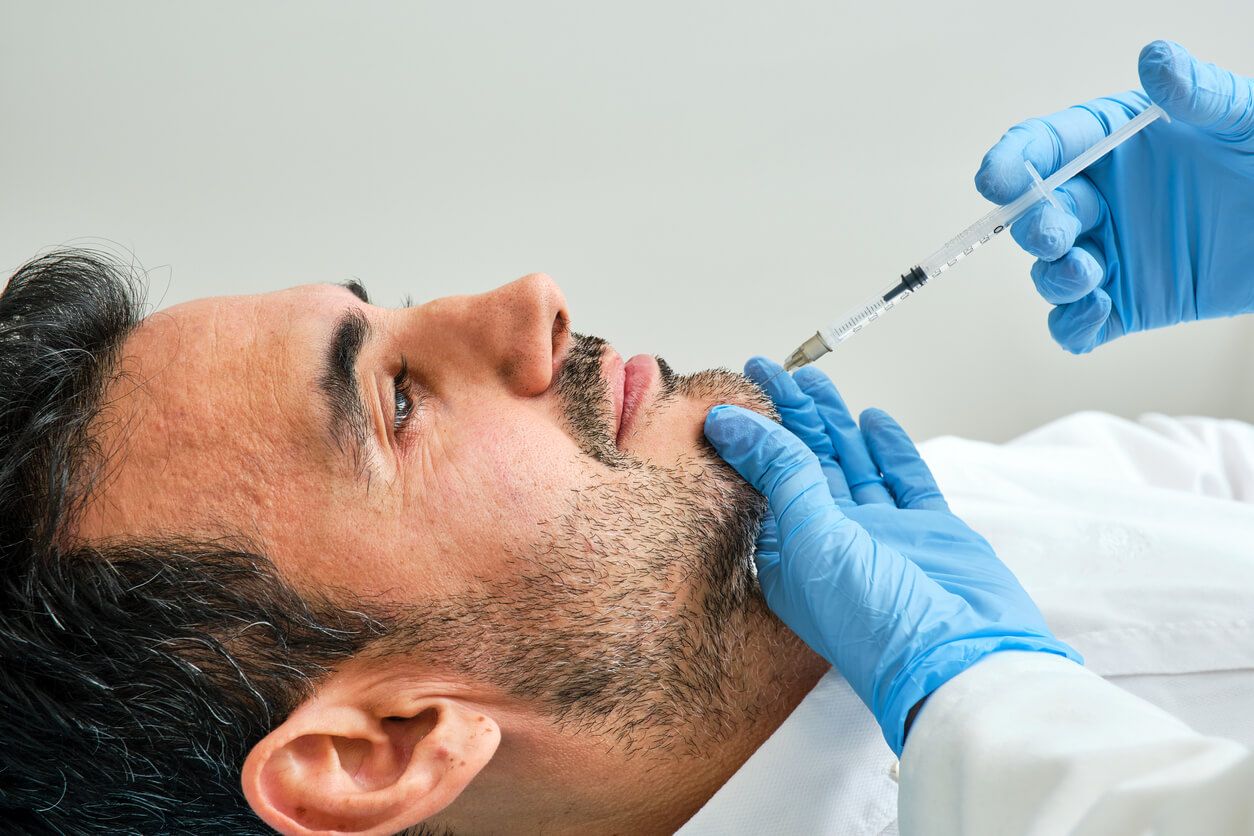
Aftercare starts before treatment, because several of the things that cause bruising are decided in the days beforehand. Your practitioner will run through it at your dermal filler consultation in London, but it is worth knowing in advance.
Avoid aspirin and anti-inflammatory medication in the days before treatment unless your GP has advised you to take them, as both thin the blood and increase bruising. The same applies to blood-thinning supplements such as fish oil, vitamin E and ginkgo.
No alcohol for 48 hours beforehand. It has the same effect.
Arrive hydrated and having eaten. Feeling faint during a treatment is unpleasant and entirely avoidable.
Come without makeup if you can. We have wipes if you need them, but removing makeup with a wipe creates small microtears in the skin, and bacteria can enter through them. A clean face at the start is one less thing to manage.
Plan around significant weight change. Facial volume changes with body weight, so if you are partway through losing or gaining a meaningful amount, filler placed now may not suit the face you have in six months. That is a timing point rather than a condition of treatment, and it is worth raising at consultation.
The first 24 hours
Leave makeup off for at least 12 hours, and ideally 24. The injection sites are small needle punctures and they close over during that window.
Use a cold compress for short periods if the area feels tight or tender. Not ice directly on the skin.
Expect tenderness as the anaesthetic wears off. Most of the dermal fillers we use contain lidocaine, so the area numbs during treatment and stays numb for a short while afterwards. Tenderness as that fades is normal.
Expect the area to feel firm. Newly placed filler is palpable and often feels uneven. It integrates with the surrounding tissue over the following two to four weeks and becomes less noticeable as it does.
Sleep on your back for the first night if the treated area allows it, and use an extra pillow. Both reduce swelling and neither is essential.
What to avoid for the first 48 hours
Alcohol. Thins the blood and worsens bruising.
Strenuous exercise. Raising your heart rate increases blood flow to the face, and in the first two days that means more swelling. Light movement is fine, but leave strenuous activity for the full 48 hours.
Saunas, steam rooms and very hot showers. Heat makes swelling worse.
Direct sun and sunbeds. Heat again, and the area is healing. Sun protection matters beyond the first two days as well: UV breaks down both collagen and hyaluronic acid and reduces skin elasticity over time, so daily SPF is one of the few habits that genuinely makes a result last longer.
Pressing, pinching or testing the area. Prodding it to check the firmness introduces bacteria and tells you nothing, because it is swollen.
After 48 hours nearly all of these lift.
Should you massage the area?
Only if your practitioner has specifically asked you to.
Some treatments do come with massage instructions, depending on the product used and where it has been placed, and if yours did then follow them exactly as you were shown. What is not helpful is deciding to massage on your own, or massaging harder than you were told to. Firm pressure on newly placed product can cause displacement of filler, and migration is a great deal easier to avoid than it is to correct.
If you are not sure what you were told, call the clinic rather than guessing.
The questions everyone asks
Can you drink alcohol after dermal filler?
Avoid it for 24 to 48 hours, for the same reason you avoid it beforehand.
When can you exercise?
Light movement straight away. Nothing strenuous for 24 to 48 hours, and that includes hot yoga, which combines heat and exertion.
When can you wear makeup?
From 12 hours at the earliest, ideally the following day. Use a clean product and a clean brush.
Can you fly?
Leave three to five days between treatment and flying. Cabin pressure and dehydration both make swelling worse, and it is the sort of thing people only think about afterwards.
What about dental work?
Leave two weeks either side if you can. Dental procedures cause inflammation in the same tissue planes as facial filler and can provoke swelling around it.
Can you have a facial or massage?
Not for two weeks in the treated area. Facial massage, microneedling and radiofrequency all apply pressure or heat to newly placed product.
What is normal, and for how long
Post treatment recovery follows a fairly predictable pattern.
Swelling peaks at 24 to 48 hours and settles over the following few days. Around the eyes and in the lips it can take longer.
Bruising varies from pinpoint marks to something more extensive depending on the area, and can be covered with makeup from the day after treatment.
Firmness, slight unevenness or mild asymmetry is normal for two to four weeks while the product integrates with the surrounding tissue and the facial contours settle into their final shape.
The final result takes up to four weeks to be fully visible. Visual changes across that period are the product settling rather than anything going wrong, and what you see on day one is filler plus swelling, which look quite different.
If you are unhappy with something at day three, wait. A great deal of early unevenness resolves on its own, and dermal fillers at our Harley Street clinic are hyaluronic acid based, so anything that genuinely needs adjusting still can be weeks later.
Most people return for maintenance treatments once the original result has largely worn off, rather than topping up while it is still there.
Swelling that appears weeks or months later
This one catches people out, because it does not fit the pattern above.
Occasionally filler swells long after it has settled, sometimes months afterwards. It is uncommon, and the usual triggers are an illness, a vaccination, or dental work, all of which provoke an immune response that the body directs at the filler as well.
It is not a sign that anything has gone wrong with the treatment, and it is not an allergy in the way people assume. It is usually treatable, and in most cases it resolves.
What matters is that you tell the clinic rather than waiting it out, because delayed swelling is one of the few filler problems that is easier to manage early.
When to contact the clinic
As with all cosmetic procedures, a small number of signs mean you should not wait until the next working day. Contact the clinic immediately if you have:
- Pain that is increasing rather than settling
- Heat and redness in the area after the first twelve hours
- Skin changing colour: blanching, darkening, or a mottled appearance
- Any change in your vision
- Pustules or small white spots, which can indicate infection
These are uncommon. They are also the situations where a few hours matter, and a practitioner would always rather take a call that turns out to be nothing.
Book a consultation
Aftercare is easier when you know what to expect before you start, which is most of what a consultation is for.
Book a consultation with one of our practitioners to discuss dermal filler treatment in London. We will set out a treatment plan and talk through the aftercare for your specific treatment before anything is agreed.
If you are weighing up cosmetic treatments and want to understand the non-surgical options first, that conversation is where it starts, whether the aim is to rejuvenate the mid-face or simply to soften one line that has begun to bother you.
For more detail on preparation and post-treatment care, see our full dermal filler patient information and aftercare guidance.
You can also watch our Medical Director, Dr Tapan Patel, answer common dermal filler questions on Nadine Baggott's YouTube channel.