What is Tear trough filler?
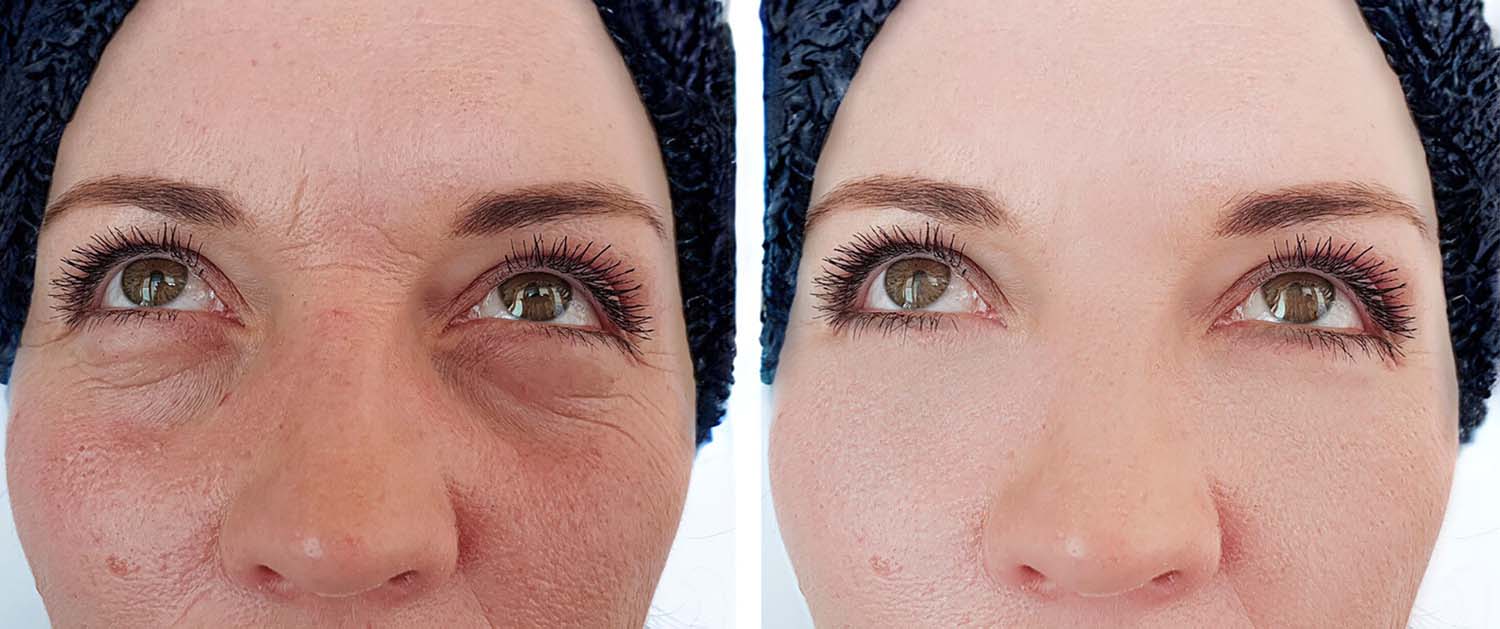
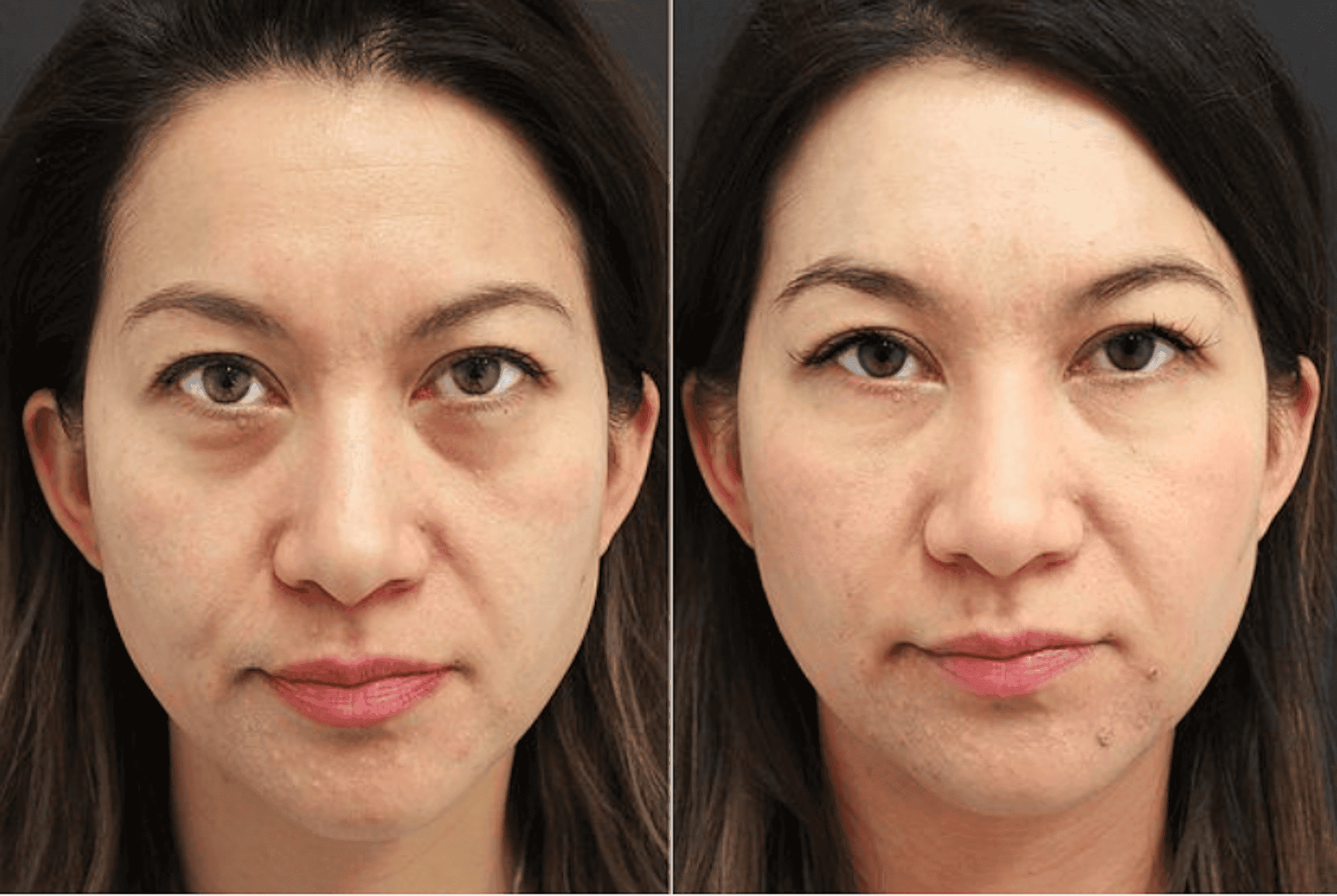
The tear trough filler treatment involves injecting hyaluronic acid fillers into the under-eye area, typically where the appearance of lines and hollows have formed. The filler works to restore volume and reduce the hollow appearance often associated with ageing or genetic factors. By filling in the depressions and smoothing out the deep lines, the treatment aims to provide a more refreshed and youthful look.
In addition to the under-eye region, the upper cheek can also be treated to further improve the contour of the face. Many patients seeking tear trough treatment also experience issues with excess skin, skin texture, and skin pigmentation, which can all be improved with the correct type of filler.
However, the tear trough filler treatment is a delicate procedure. The under-eye area is thin, and any errors in the technique, volume, or choice of filler can lead to a botched result. It’s important to understand what can go wrong and how to ensure the best possible outcome.
Signs of a botched tear trough filler
If you're concerned about your tear trough filler results, here are some common signs that your treatment may not have gone as expected:
Lumpiness or uneven texture: This can occur when the filler is not placed evenly or when too much is injected. The result is a bumpy, unnatural texture beneath the skin, which can sometimes be felt or even seen.
Puffy appearance: Overfilling or using a filler that is too thick can lead to puffiness in the under-eye region. Instead of correcting the hollow appearance, this results in a puffy appearance that makes the eyes look swollen.
Discolouration (Tyndall Effect): This occurs when the filler is placed too superficially under the skin, causing a bluish tint. This is often referred to as the Tyndall Effect and is more likely to happen when the wrong type of filler is used.
Prolonged swelling or bruising: Some swelling and bruising are normal after a tear trough filler procedure, but if it persists beyond a few days or worsens, it could indicate a complication, such as incorrect filler placement or vascular compromise.
While these issues are frustrating, it’s important to know that botched fillers can usually be corrected.
Why do tear trough fillers go wrong?
Several factors can contribute to a botched tear trough filler. The most common reasons include:
Inexperienced practitioners: The under-eye area is extremely delicate, requiring precision and deep knowledge of facial anatomy. An inexperienced practitioner might not fully understand the intricacies of the tear trough region, leading to errors in placement or filler selection.
Wrong type of filler: Not all fillers are suitable for the tear troughs. Some fillers are too thick or too dense for this sensitive area, leading to an unnatural appearance or even complications like the Tyndall Effect. Choosing the correct type of filler is key for achieving natural, long-lasting results.
Excess filler: Overfilling is another common mistake, particularly in patients with excess skin or poor skin quality. Too much filler can exacerbate the problem by creating a puffy appearance, which worsens the tired appearance you were trying to correct.
Patient suitability: Not every patient is a suitable candidate for tear trough fillers. Those with very thin skin, significant loose skin, or issues like skin texture or pigmentation may not achieve the desired results with fillers alone. A thorough consultation with a medical practitioner is essential to determine whether the procedure is appropriate for you.
How to fix a botched tear trough filler
If your tear trough filler didn’t go as planned, don’t worry, there are options to correct the issue.
One of the most effective solutions is the use of hyaluronidase, an enzyme that dissolves hyaluronic acid fillers. This allows the practitioner to remove excess filler or correct uneven placement. Hyaluronidase can work quickly, offering relief from complications like lumpiness or puffiness.
At PHI Clinic, we recommend returning to your practitioner, who knows the type and amount of filler used. In some cases, additional filler may be needed to refine results, but this should only be performed by a skilled practitioner experienced in correcting botched tear trough fillers.
Finally, some patients may need to wait for the filler to naturally dissolve over time. While fillers like hyaluronic acid are temporary, they can last several months, so patience may be necessary if the botched result is minor.
How to avoid a botched tear trough filler
Prevention is always better than cure when it comes to tear trough fillers. Here are a few tips to avoid a botched procedure:
Choose an experienced clinic: The most important factor in achieving a successful outcome is choosing a reputable clinic with expert practitioners. At PHI Clinic, our team has extensive experience in performing dermal filler injections, particularly in the delicate under-eye region. We understand the intricacies of facial anatomy and know how to tailor the treatment to your unique needs.
Realistic expectations: Having a clear understanding of what the treatment can achieve is key. During your consultation, your practitioner will discuss your goals and help you set realistic expectations. Not everyone is an ideal candidate for tear trough treatment, and it’s important to understand the limitations of the procedure.
Correct filler selection: The choice of fillers is another key factor. At PHI Clinic, we only use the Juvéderm range, ensuring the most appropriate type of filler for the under-eye area for a smooth, natural result. Using fillers designed for other areas, like the lips or nasolabial folds, can lead to complications, so it’s best to consider your practitioner’s recommendations.
Potential risks and complications
While tear trough fillers are generally safe when performed by experienced practitioners, it’s important to be aware of the potential risks. These can include:
Vascular Occlusion: This rare but serious complication occurs when the filler blocks a blood vessel, which can lead to tissue damage. At PHI Clinic, we take every precaution to minimise the risk of vascular complications.
Bruising and Swelling: Minor bruising or swelling is common after tear trough filler injections, but persistent or severe swelling may indicate a complication that requires attention.
Skin Discolouration: While uncommon, some patients experience temporary changes in skin pigmentation after filler injections, especially those with thinner or more sensitive skin types.
Tear Trough London
If you've experienced a botched tear trough filler or are considering eye filler treatment for the first time, it’s essential to consult with a reputable clinic. Our experienced practitioners will carefully assess your suitability for the procedure and ensure that your treatment is safe, effective, and tailored to your unique needs.
Book a consultation with PHI Clinic today to discuss how we can help you achieve the refreshed, youthful look you desire.