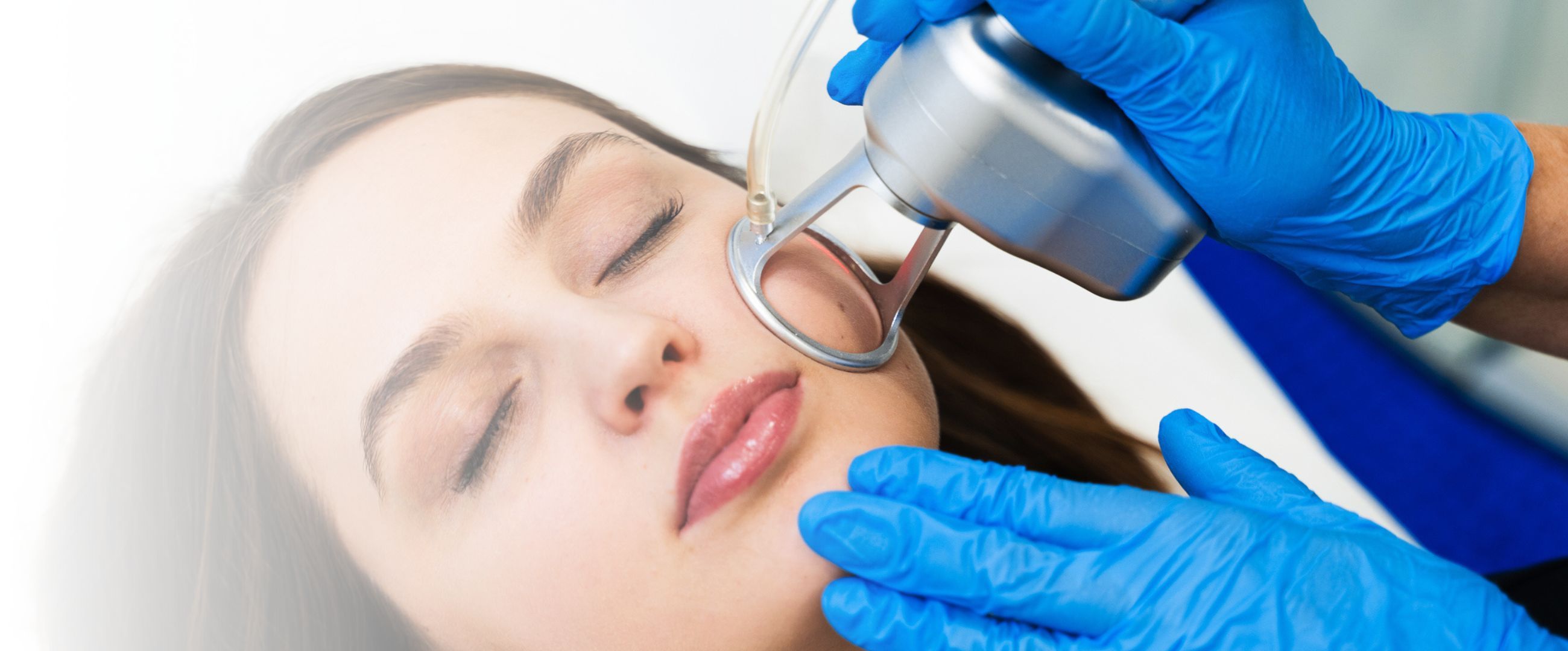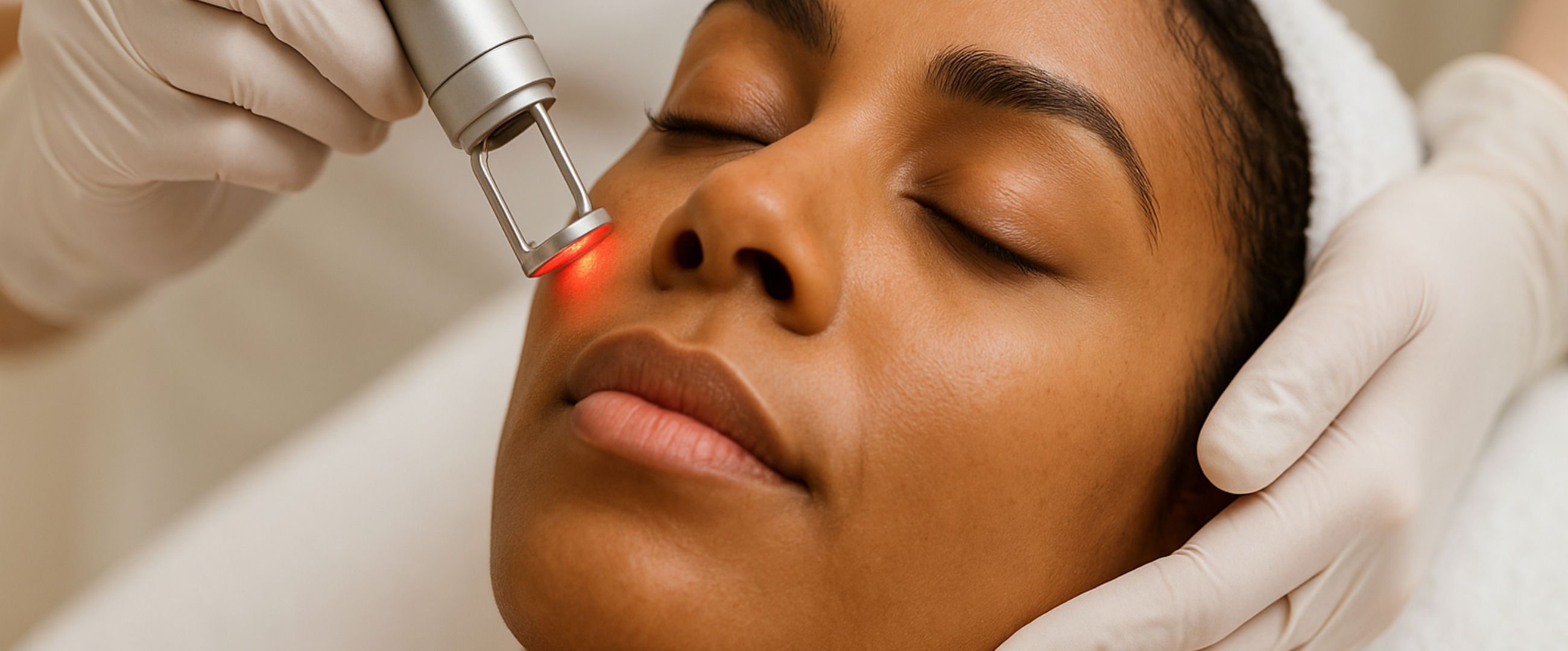
Lasers and energy-based devices (EBDs) have quietly become the backbone of modern medical aesthetics. Used well, they can refine skin texture, soften lines, fade pigmentation, tighten the contours of the face and neck, and even improve scarring. Used carelessly, they can cause harm. The difference is not the technology itself but the clinician choosing the device, the settings and the treatment plan.
If you are looking for a single takeaway: the device matters less than the hands using it. The right EBD for you depends on your skin type, your concern, your tolerance for downtime and your long-term goals. A medically-led consultation is the only reliable way to translate those variables into a plan that protects your skin while delivering meaningful change.
Device categories at a glance
The five families of technology most often used in clinical aesthetics:
| Category | Common applications | Typical downtime | Notable PHI devices |
|---|---|---|---|
| Ablative fractional laser (CO2, Er:YAG) | Lines, acne scars, sun damage, texture | 5 to 10 days | UltraClear, UltraPulse CO2 |
| Non-ablative laser | Tone, mild lines, redness, gentle resurfacing | Hours to 2 days | Laser Genesis, fractional 1540nm |
| Vascular and broadband light (BBL, PDL, KTP, yellow) | Redness, rosacea, broken capillaries, sun spots, uneven tone | 1 to 3 days | BBL Heroic, V-Beam, Excel V, Pulsed Dye Laser |
| Energy-based skin tightening | Skin laxity, mid-face lift, neck and jawline contour | Hours to 5 days | Ultraformer, Endolift |
| Sub-dermal laser and plasma | Tightening, jowls, skin remodelling | 1 to 5 days | Endolift, Neogen |
Effective devices for neck and décolleté rejuvenation
The skin of the neck and décolleté is thinner, more mobile and more sun-exposed than the face. It also tends to be neglected through life. By the time most patients seek treatment, the priorities are crepey texture, a loss of firmness, and the fine horizontal lines often called tech neck. The wrong device choice in this region carries a real risk of pigment change or burn.
Energy-based devices have a clear advantage over injectables in this area, because the underlying issue is usually structural (collagen and elastin loss) rather than volume loss. Published clinical reviews note that EBDs can produce durable improvements in skin structure and function when the modality is matched to skin type and goal.[1]
What is a fractional laser? A fractional laser delivers tiny columns of energy into the skin, stimulating collagen while leaving surrounding tissue intact for faster healing and more natural results.
The leading device categories used for neck and décolleté rejuvenation:
| Modality | Best for | Downtime | Suitability for neck/décolleté |
|---|---|---|---|
| Fractional CO2 (e.g. UltraClear) | Crepey texture, deeper lines, sun damage | 5 to 10 days | Powerful but requires careful settings on this thinner skin |
| Fractional Er:YAG | Surface lines, tone, gentle resurfacing | 3 to 5 days | Strong choice for lighter resurfacing on the neck |
| RF microneedling | Skin laxity, fine lines, mild scarring | 1 to 3 days | Excellent for tightening without surface ablation |
| Ultrasound tightening | Loss of firmness, early jowls | Minimal | Targets deeper layers without affecting the surface |
| Endolift | Skin tightening, sub-dermal remodelling | 1 to 5 days | Works under the skin with no surface wounds |
For most patients, the optimal plan combines a tightening modality (RF microneedling or Endolift) with a surface-level resurfacing treatment, sequenced over several months.
Best laser treatments for fine lines and wrinkles with minimal downtime
For face-level lines around the eyes, mouth and forehead, the question is rarely "which device is strongest" but "which gives the best result for the recovery I can tolerate". For 2026, three modalities consistently lead on the balance of evidence and patient satisfaction.
What does "minimal downtime" actually mean? Most patients experience mild redness, slight swelling and a sensation similar to sunburn for one to five days. Makeup can usually be worn within 24 to 72 hours. Full social downtime is rare with modern devices used at moderate settings.
The leading options:
- Non-ablative fractional lasers stimulate collagen below the surface with minimal disruption to the outer skin. A reliable choice for early signs of ageing.
- Laser Genesis uses gently pulsed energy to stimulate collagen and reduce redness over a course of treatments. Effectively no downtime.
- Next-generation fractional CO2 lasers produce measurable collagen tightening and significant improvement in lines, particularly around the eyes and mouth. Published clinical work supports their advantage in this area over many non-ablative systems.[2]
Comparison of the three:
| Device | Downtime | Typical course | Best for |
|---|---|---|---|
| Laser Genesis | None | 4 to 6 sessions | Tone, redness, very early lines |
| Non-ablative fractional | 1 to 3 days | 3 to 4 sessions | Mild to moderate lines, texture |
| Fractional CO2 (UltraClear, UltraPulse) | 5 to 10 days | 1 to 2 sessions | Established lines, sun damage, deeper texture |
For a deeper look at how CO2 resurfacing works on lines and wrinkles, see CO2 laser: a powerhouse for skin rejuvenation and laser resurfacing for lines and wrinkles.
Value laser treatment packages for face and neck across the year
Energy-based devices rarely deliver their best work in a single session. Skin remodelling is a biological process, and most modalities reach their peak result after a course of treatments over several months. A well-structured package reflects this clinical reality rather than a marketing exercise.
Typical package structures:
- 3-session course: appropriate for non-ablative resurfacing, IPL or Laser Genesis. Sessions spaced 4 to 6 weeks apart.
- 6-session course: suited to skin tightening or scar remodelling programmes where collagen stimulation builds over time.
- Annual maintenance plan: a smaller number of sessions per year to preserve gains, often combined with skin boosters or medical-grade skincare.
The principle that underpins any package is medical supervision. Evidence-based protocols are the difference between safe, repeatable outcomes and a sequence of treatments that fail to add up to more than the sum of their parts.[1]
When you review a package, look for:
- A defined number of sessions, with the rationale for that number
- Aftercare products or follow-up reviews included in the price
- Flexibility to combine modalities (for example, a course of resurfacing paired with skin boosters)
- A clear cancellation and rescheduling policy
- A clinician-led mid-course review to confirm the plan is still right for your skin
Laser options for acne scar reduction with minimal downtime
Acne scarring is one of the most rewarding concerns to treat with EBDs, but it is also one of the most varied. Atrophic scars (rolling, boxcar, ice-pick) respond differently from hypertrophic or pigmented scars, and the right device depends on the dominant scar type.
Published clinical work confirms that lasers and energy-based devices can remodel skin structure and function, reducing uneven texture and scarring over time.[1] The main options:
| Modality | Best for | Downtime | Course |
|---|---|---|---|
| Fractional CO2 (UltraClear, UltraPulse) | Moderate to severe atrophic scars | 5 to 10 days | 1 to 3 sessions |
| Fractional Er:YAG | Mild atrophic scars, mixed texture | 3 to 5 days | 2 to 4 sessions |
| Laser Genesis | Post-inflammatory redness, early texture | None | 4 to 6 sessions |
| RF microneedling | Rolling scars, mixed types, all skin types | 1 to 3 days | 3 to 4 sessions |
The patient journey typically follows five stages:
- Consultation and skin mapping: assessment of scar type, photography, medical screening.
- Device selection: matched to scar type, skin phototype and downtime tolerance.
- Pre-treatment preparation: medical-grade skincare or pigment control if needed.
- Treatment course: spaced sessions, with reviews between.
- Aftercare and maintenance: protective skincare, sun avoidance, longer-term follow-up.
Read more on the clinical detail in how laser resurfacing can improve acne scars.
Choosing the right energy-based device for pigmentation, vascular concerns and uneven skin tone
Pigmentation and vascular concerns are among the areas where device choice matters most. Melanin and haemoglobin are very different targets, and the wrong wavelength, pulse duration or fluence can worsen the very problem the treatment is meant to address. This is especially true for melasma, rosacea and patients with darker phototypes.
What is a Q-switched laser? A Q-switched laser emits high-intensity pulses in billionths of a second, targeting pigment with precision while sparing surrounding skin.
Pigmentation, sun damage and uneven tone
| Concern | Recommended modality | Suitable skin types | Cautions |
|---|---|---|---|
| Sun spots, age spots | Broadband light (BBL Heroic) or Q-switched laser | Fitzpatrick I to III | Use with care or avoid in Fitzpatrick IV+ |
| Deep pigment, lentigines | Q-switched or picosecond laser | I to IV | Test patch advised on darker phototypes |
| Melasma | Low-fluence Q-switched, combined with topical management | All, with caution | Recurrence risk is high without lifestyle and skincare changes |
| Mottled, uneven tone | Fractional non-ablative laser | I to IV | Sun avoidance critical post-treatment |
Redness, rosacea and vascular concerns
Redness, broken capillaries, facial flushing and the vascular component of rosacea respond to a different family of light-based treatments, targeting oxyhaemoglobin rather than melanin. PHI Clinic uses several complementary devices in this category, allowing the treatment to be matched precisely to the depth, colour and distribution of the vessels.
| Concern | Recommended device at PHI | How it works | Downtime |
|---|---|---|---|
| Diffuse facial redness, flushing, rosacea | V-Beam (pulsed dye laser) | Targets oxyhaemoglobin in superficial vessels | Mild redness for 1 to 2 days; bruising possible at higher settings |
| Persistent rosacea, sensitive vascular skin | Pulsed Dye Laser | Established gold-standard wavelength for vascular concerns | 1 to 3 days, occasional bruising |
| Broken capillaries, telangiectasia, mixed vascular and pigment | Excel V (KTP and Nd:YAG) | Dual wavelengths treat both vascular and pigmented lesions | Hours to 2 days |
| Yellow-wavelength laser indications | Yellow (577nm class) laser | Highly absorbed by oxyhaemoglobin with reduced thermal scatter | Hours to 1 day |
| Combined sun damage, mild redness and uneven tone | BBL Heroic (broadband light) | Broad-spectrum filtered light treats pigment and superficial vascular concerns in one session | 1 to 3 days, depending on intensity |
For rosacea specifically, the most reliable results usually come from a course of vascular laser sessions combined with medical-grade skincare and lifestyle changes (trigger avoidance, sun protection). A single treatment can soften redness, but maintenance is part of the picture for most patients.
Patient safety for darker skin types deserves explicit attention across both pigment and vascular work. Clinical guidance highlights the need for conservative fluences, careful patient selection and clinician experience when treating Fitzpatrick IV to VI skin.[3] A clinic that cannot confidently describe how it adapts these treatments for darker skin is not the right clinic for that work.
Certified laser clinics in London with transparent pricing and galleries
London has a wide range of clinics offering laser and energy-based treatments. Quality varies. A short list of the markers worth looking for before booking:
- CQC registration: the Care Quality Commission regulates clinics that provide certain medical treatments. CQC registration signals that the clinic meets defined standards for safety, leadership and patient care.
- Comprehensive before-and-after galleries: real patient outcomes, not stock photography. PHI Clinic publishes a laser resurfacing before and after gallery with consented patient images.
- Published, transparent pricing: clear costs per treatment and per package, without sales pressure to upgrade.
- Clinician credentials on the website: named doctors, nurses and aesthetic practitioners with verifiable qualifications.
- Membership of recognised professional bodies: the American Society for Laser Medicine and Surgery, for example, publishes public education and physician resources that can support your research.[4]
If a clinic resists answering plain questions about pricing, downtime or device specifications, that is information in itself.
Cost and package details of fractional laser resurfacing in Central London
Pricing for fractional laser resurfacing in Central London varies more widely than most patients expect. The headline number is shaped by device generation, the experience of the clinician, the area treated and what aftercare is included.
What is fractional laser resurfacing? Fractional laser resurfacing is a treatment that divides laser energy into many tiny micro-beams, treating a fraction of the skin's surface at a time. The untreated areas in between speed healing while collagen rebuilds in the treated columns.
Indicative cost ranges in Central London (2026):
| Treatment | Single session | Course or package | Notes |
|---|---|---|---|
| Full-face fractional CO2 resurfacing | From around £1,200 | Often delivered as a single deeper session | Most affected by device generation and clinician experience |
| Targeted area (eyes, mouth, neck) | From around £500 | 3-session course typically discounted | Often combined with full-face follow-up |
| Laser Genesis full face | From around £250 | 4 to 6 session course at a discount | No downtime, ideal as ongoing maintenance |
| RF microneedling | From around £450 | 3 to 4 session course discounted | Strong choice for all skin types |
Cost is one consideration. The value of a package sits in what is included around the treatment itself: medical-grade skincare for preparation and recovery, follow-up reviews, and a clinician-led plan that adapts as your skin responds.[5]
Latest generation laser skin tightening and wrinkle reduction in London
The energy-based device category continues to evolve rapidly. The global market for energy-based aesthetic devices reached around USD 6 billion in 2024 and is projected to nearly double by 2032, with laser-based devices alone accounting for about 40 percent of the category in 2024.[6] That investment shows up in the clinic as faster recoveries, more precise targeting and broader skin-type suitability.
The newer-generation systems worth knowing about:
- UltraClear cold-ablative fractional: a recent advance in fractional resurfacing that uses very short pulses to limit thermal damage. Often pitched as fractional CO2-level results with reduced downtime. See UltraClear at PHI.
- Neogen plasma: a nitrogen plasma device delivering energy across a full skin area, rather than fractionally. Useful for tightening and rejuvenation in suitable candidates. See Neogen at PHI.
- Endolift: a sub-dermal laser fibre that tightens from beneath the skin with no surface wound. A strong option for the jawline, neck and early jowls. See Endolift at PHI.
- RF microneedling: paired with insulated needles, this category has matured into one of the safest skin tightening tools across all phototypes.
- Multi-modality platforms: systems that combine, for example, fractional laser with topical drug delivery, allowing one treatment session to address multiple concerns.
The most useful question is not "which device is newest" but "which combination of devices, delivered in what sequence, gives me the best result for my skin and goals". That is a clinician's job, not a marketing one.
Booking a laser skin rejuvenation consultation in London
A first consultation should not feel like a sales appointment. It should feel like a medical assessment that happens to be about your skin. The structure of a sound consultation:
- Skin and medical history: relevant conditions, medications, sun exposure, previous treatments, scarring history.
- Skin examination and photography: under standardised lighting, sometimes with imaging that maps pigment, vascular and texture features.
- Discussion of concerns and goals: in your words, before any device is named.
- Device options and recommendations: matched to your skin type, concern severity and recovery tolerance.
- Expectation setting: realistic outcomes, expected timeline, costs and any limitations.
- Informed consent and aftercare: written information you can take away.[3]
Who may not be suitable for laser treatment
Most patients are candidates for at least one form of energy-based treatment, but some situations require either a different plan or a different timing. These commonly include active skin infections in the treatment area, recent isotretinoin use, pregnancy, certain medications that affect photosensitivity, and a personal history of keloid scarring. None of these are absolute barriers in every case. They are reasons for a careful, individual conversation rather than an automatic recommendation.
If you would like an assessment, our clinical team is happy to talk through whether laser treatment is the right route for your skin. Book a consultation at PHI Clinic in Harley Street, London.
Frequently asked questions
What skin concerns can lasers and energy-based devices effectively treat?
Lasers and energy-based devices can address a wide range of concerns, including fine lines and wrinkles, acne scarring, pigmentation, sun damage, redness, uneven texture, unwanted hair and mild to moderate skin laxity. The right modality depends on the concern, the skin type and the depth of the issue. A clinician-led consultation is the most reliable way to match the device to the goal.
How many sessions are typically needed for visible improvement?
Most patients see visible results after two to four sessions, though some deeper resurfacing treatments deliver meaningful change in a single session. Energy-based skin tightening and scar remodelling usually need three to six sessions, spaced four to six weeks apart, with collagen continuing to build for several months afterwards. The exact plan is tailored to your skin and your concern.
What is the expected downtime for different laser treatments?
Downtime varies significantly by device. Laser Genesis and most IPL treatments cause only mild redness for a few hours. Non-ablative fractional and RF microneedling typically involve one to three days of redness and slight swelling. Deeper fractional CO2 resurfacing requires five to ten days of social downtime as the skin heals. Your clinician will give you a clear picture of the recovery period before treatment begins.
Are laser and energy-based treatments safe for all skin types?
When delivered by an experienced clinician using suitable settings, the majority of EBD treatments can be performed safely across skin types. Patients with darker phototypes (Fitzpatrick IV to VI) require particular care to avoid post-inflammatory pigmentation, and certain devices are better suited than others. A clinic experienced in treating skin of colour will adapt fluence, pulse duration and pre-treatment protocols accordingly.
How do I choose a safe and qualified clinic for laser procedures?
Look for CQC registration, named clinicians with verifiable qualifications, transparent pricing and a comprehensive before-and-after gallery showing real patient outcomes. Membership of recognised professional bodies and a clinic that welcomes questions about device specifications and downtime are further signals of quality. A consultation that feels educational rather than sales-led is one of the strongest signs you are in the right hands.
References
- touchderma.com. Laser and Energy-Based Dermatology (2025).
- PMC. Fractional CO2 Lasers in Dermatology.
- PMC. Pigment Lasers and Skin Safety.
- ASLMS. Treatments Using Lasers and Energy-Based Devices.
- Practical Dermatology. Comprehensive Guide to Energy-Based Devices.
- DelveInsight. Energy-Based Aesthetic Devices Market Report.