For more videos, follow PHI Clinic on Instagram @phiclinic
How ablative laser brings your skin back to life
Ablative CO2 laser treatment removes very thin layers of skin in a controlled way using water in the skin as a chromophore. This stimulates the body to repair the area with collagen stimulation, healthier skin cells and a refined surface. As the new skin forms, it becomes smoother, firmer and more even in tone.
This makes ablative resurfacing an excellent option for:
- Fine lines and wrinkles
- Acne scars and deeper scar treatments
- Textural irregularities
- Sun damage and Age Spots
- Enlarged pores
- Skin that lacks brightness or feels uneven
Both Fractional CO2 laser and fully ablative CO2 systems can be used depending on your skin concerns, treatment outcomes and long term goals.
Why pigmentation responds so well
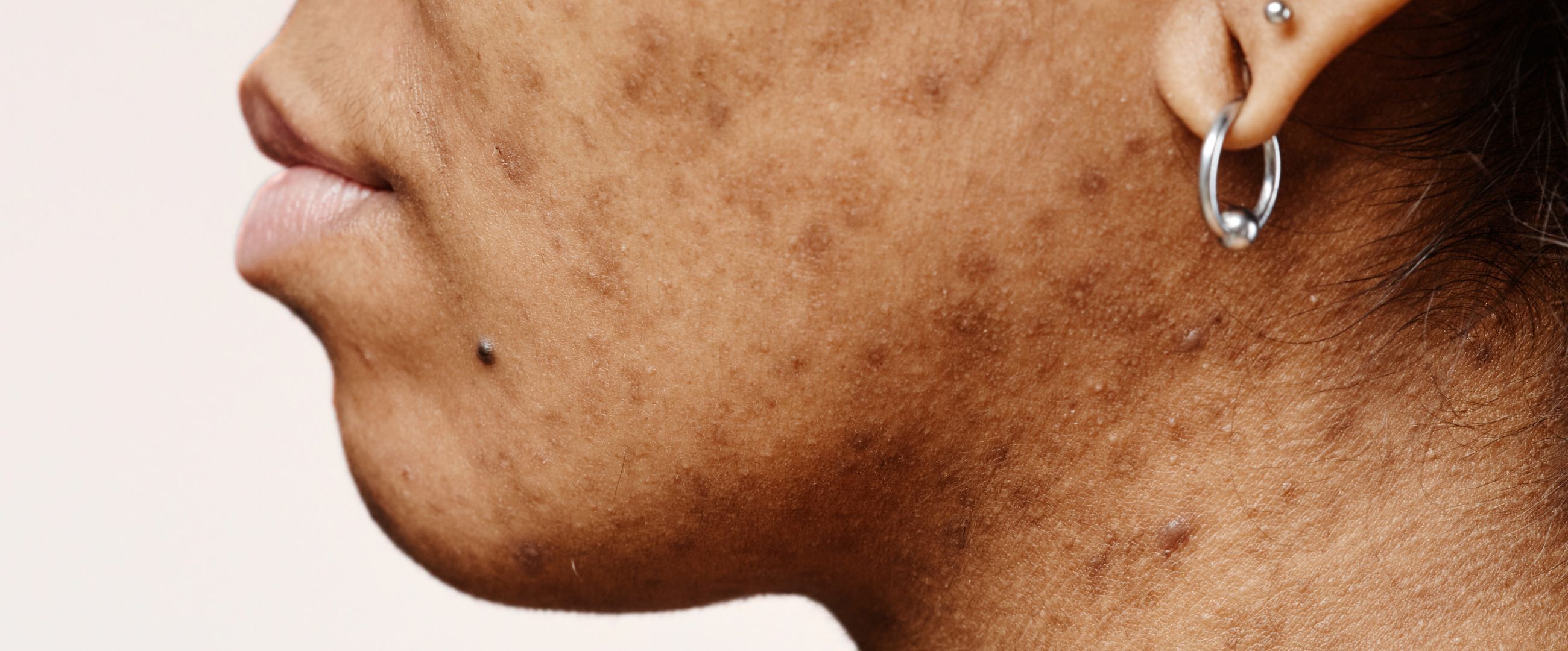
Some pigmentation issues sit deep within the dermis due to inflammation, UV exposure or long term skin concerns such as hyperpigmentation. Because ablative laser treatments reach these deeper layers directly, they can break apart dense pigment clusters and replace damaged tissue with healthier new skin during the natural skin resurfacing process. This helps improve:
- Sun spots
- Age related pigmentation
- Uneven skin tone
- Pigmented scarring and acne related marks
The result is clearer, brighter and more uniform skin that continues to improve as collagen fibres remodel.
The science-backed results
Ablative CO2 laser resurfacing is a well established form of skin rejuvenation supported by strong clinical evidence. A 2024 UK clinical audit from the Academic Plastic Surgery group at Barts and The London School of Medicine and Dentistry reviewed fractional CO2 laser resurfacing and fully ablative CO2 techniques. The study found consistent improvements in skin texture, tightness and wrinkle depth across various Fitzpatrick skin types including Fitzpatrick skin types III to IV.
These findings reflect the outcomes seen daily in aesthetic practice where laser skin resurfacing is used for scarring, ageing skin and complex skin concerns.
What your treatment appointment feels like
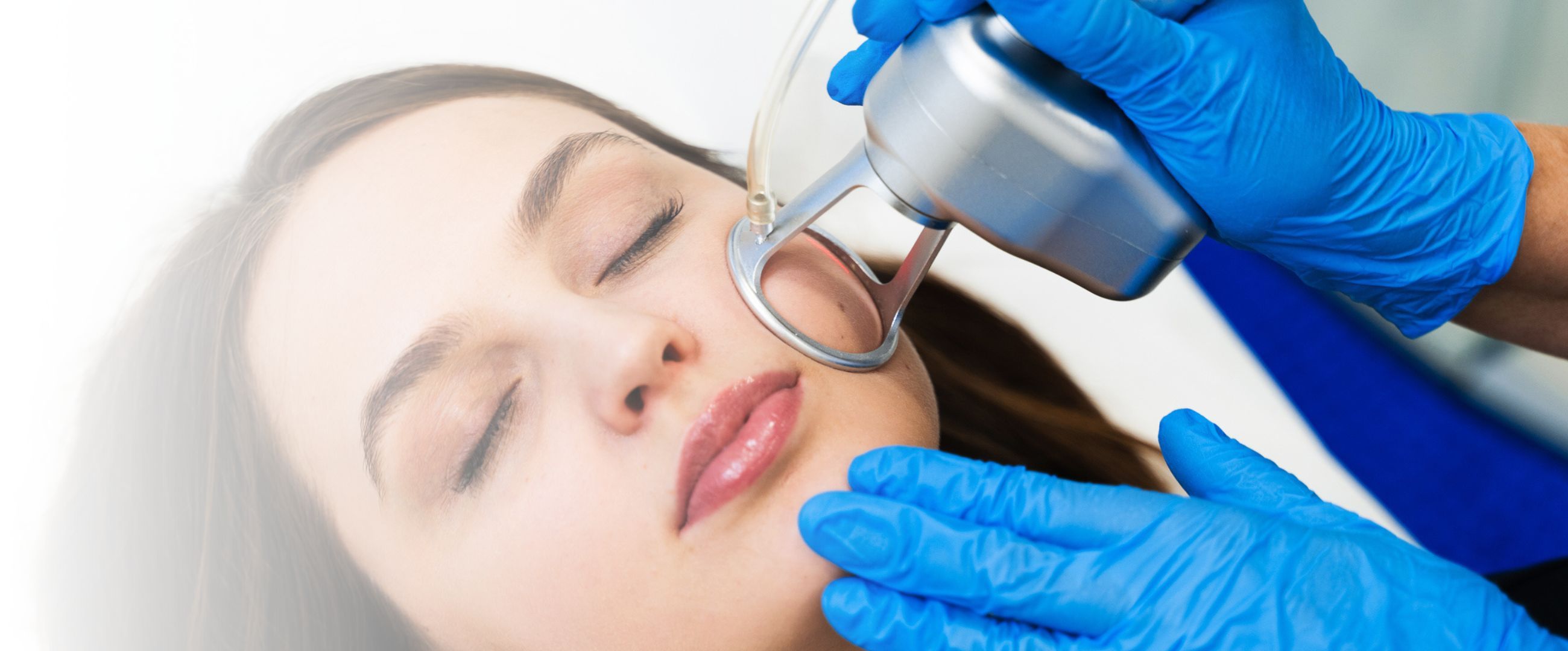
An ablative laser treatment is carefully planned to protect the skin while delivering effective results. Before treatment, the skin is cleansed and a topical anaesthetic or numbing cream is applied for comfort. The laser handpiece is then passed gently across the skin to remove precise layers of tissue.
You may feel warmth as the laser works on the affected areas followed by a sensation similar to mild sun exposure once the session is complete. Treatment protocols vary based on the treatment area, but the process remains controlled and methodical.
The healing journey
Ablative laser resurfacing involves expected downtime, although the healing process is predictable. In the first few days the skin appears red and feels warm due to controlled thermal effects on the dermis. As the skin continues its natural renewal cycle, a fresh new surface forms and redness gradually softens.
Most people return to normal routines within a week. A post treatment serum or gentle medical grade skincare is often recommended for patient care to support recovery.
When the results start to show
Results develop gradually as collagen fibres reorganise and the new skin matures. Many notice smoother texture, refined pore size and improved tone within a few weeks. Continued enhancement occurs over several months due to ongoing collagen stimulation.
Once fully healed, the skin often looks brighter, tighter and more refreshed. Fine lines soften, pigmentation fades and scars become less noticeable. Improvements in overall skin quality make ablative laser treatment one of the most effective options for long term rejuvenation.
The PHI Clinic way
At PHI Clinic, every ablative laser resurfacing treatment is designed with precision. Practitioners assess skin quality, tone, texture and deeper skin concerns before selecting the correct wavelengths, laser technology and treatment depth. This ensures resurfacing is both safe and effective for concerns such as acne scars, hyperpigmentation, deeper wrinkles and long term sun damage.
By adjusting intensity and patterning across different areas of the face, results are achieved without compromising natural structure. You will also be guided through every stage of patient care from preparation to aftercare instructions to help your skin heal comfortably and successfully.
Who benefits most from this treatment
Ablative laser resurfacing is ideal for anyone with significant texture concerns, deeper wrinkles, long term sun damage or stubborn pigmentation. It can also help patients with acne scarring or dull, weathered looking skin.
Those with very sensitive skin or certain medical conditions may require alternative treatments, which a practitioner will explain during your consultation.
Your next step toward clearer, fresher skin
If you are ready to refresh your complexion and restore smoother, more radiant skin, the practitioners at PHI Clinic can guide you. We will assess your skin concerns, explain your treatment options and build a plan tailored specifically to your needs.
Book your consultation today and experience how ablative laser resurfacing can reset and renew your skin with long lasting results.