Why Do Enlarged Pores and Uneven Skin Texture Develop
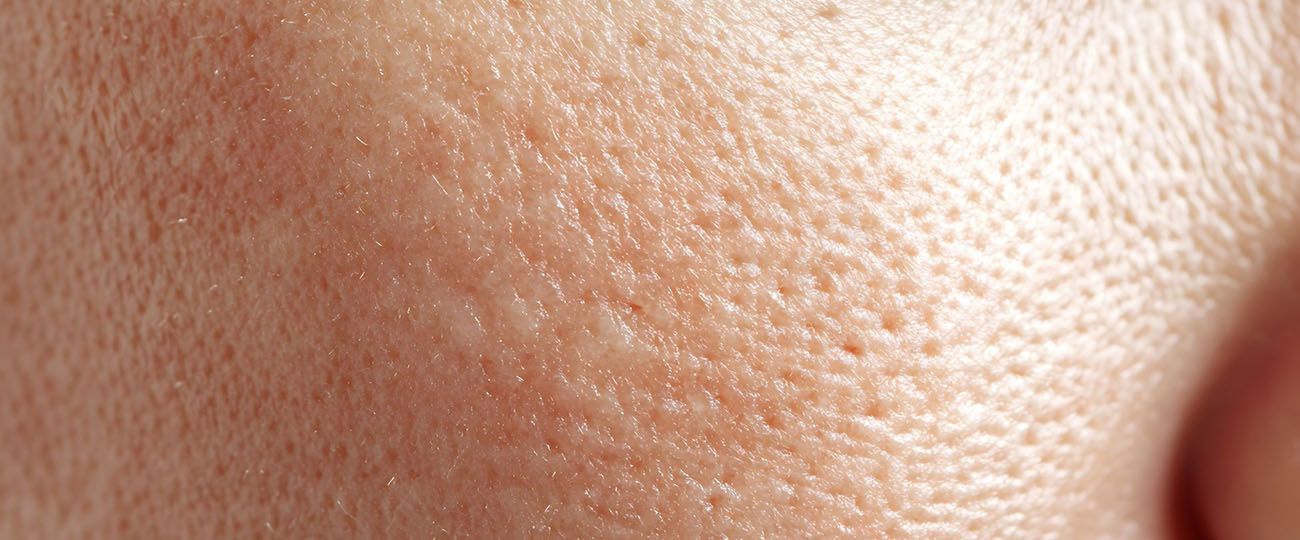
Enlarged pores and uneven texture rarely appear suddenly. Most people notice them gradually, often in close-up photographs or under direct light.
Pores are normal structures that allow sebum to reach the surface and support the skin barrier. In healthy skin, they are surrounded by firm collagen and elastin, which provide structure and resilience.
Pores become more visible when this support softens. As collagen levels change over time, the surrounding tissue loses firmness. This makes pores appear wider, even though their actual size has not changed.
Contributing factors include:
- Decline in collagen production
- Reduced elastin support
- Excess sebum production
- Previous acne or inflammation
- Sun damage
- Natural ageing
- Changes in pigmentation
As collagen decreases, the dermal framework supporting pore walls becomes thinner. Mild scarring or photo damage can further contribute to surface irregularities. Improving enlarged pores therefore requires stimulating structural regeneration within the dermis rather than tightening the surface alone.
What Is Fractional Laser Treatment
Fractional laser treatment is a form of laser skin resurfacing that delivers controlled laser energy into microscopic columns of skin while leaving surrounding tissue intact.
Treating a percentage of the skin at a time allows effective collagen stimulation with efficient healing.
During treatment:
- Precise laser pulses reach the dermis
- Micro-thermal treatment zones are created
- Fibroblasts are activated
- Collagen and elastin production increase
- Dermal remodelling begins
As collagen density improves, structural support strengthens and skin texture becomes smoother.
Depending on assessment, technology may include:
- CO2 laser systems
- Fractionated CO2 laser treatments
- Fractional CO2 laser platforms
- Erbium YAG lasers
CO2 systems are particularly effective for deeper remodelling, while Erbium YAG lasers may be selected for more superficial refinement with shorter downtime.
How Fractional Laser Treatment Improves Enlarged Pores
Fractional laser skin resurfacing refines pores by improving the surrounding support structures.
When collagen regeneration occurs around the pore opening:
- Tissue becomes firmer
- Structural support improves
- Visible pore diameter appears reduced
- Skin surface irregularities soften
Pores are not removed. Instead, their appearance becomes more refined as the dermal framework strengthens.
Patients often notice:
- Smoother surface
- Improved light reflection
- More balanced skin tone
- Subtle tightening
- Improved clarity in areas of mild pigmentation
Because collagen production continues for several months, results develop gradually and naturally.
Fractional Laser Treatment for Skin Texture and Pigmentation
Texture concerns often extend beyond pores. Many patients experience mild roughness, early laxity or uneven pigmentation.
Fractional laser treatment can address:
- Mild acne scarring
- Uneven skin texture
- Early fine lines
- Sun-related surface damage
- Subtle skin tightening
- Pigmentation irregularities
CO2 or fractionated CO2 laser treatments may be used to target both texture and pigmentation simultaneously. Controlled energy delivery supports dermal remodelling and more even pigment distribution.
Collagen regeneration continues beneath the surface long after visible healing, supporting ongoing skin rejuvenation.
Safety and Skin Type Considerations
Patient selection is central to safety.
During consultation, practitioners assess:
- Skin type
- Pigmentation profile
- History of hyperpigmentation
- Healing response
- Sun exposure habits
- Previous resurfacing treatments
Fractional laser technology allows precise control of energy depth and density. Whether using fractional CO2, CO2 systems or Erbium YAG lasers, parameters are carefully tailored.
Temporary redness and mild swelling are expected. Structured aftercare and strict sun protection support safe recovery and reduce pigmentation risk.
Safety is not about eliminating reactions entirely. It is about ensuring controlled and predictable healing.
Recovery and What to Expect
Recovery after fractional laser treatment is typically manageable compared with more intensive full field CO2 resurfacing.
In the first few days:
- Redness is common
- Mild swelling may occur
- Skin may feel tight or slightly rough
By the end of the first week:
- Surface texture begins to smooth
- Redness settles
- Skin tone appears more even
- Areas of pigmentation look clearer
Collagen remodelling and skin tightening continue for several months, with gradual improvements in pore refinement and texture.
Why This Subtype Matters Within the Laser Resurfacing Cluster
Fractional laser treatment represents an important subtype within the broader laser resurfacing category.
It addresses:
- Pore refinement
- Skin texture improvement
- Pigmentation correction
- Early structural ageing
- Collagen regeneration
- Skin rejuvenation
Clear coverage of fractional laser skin resurfacing strengthens understanding of texture related concerns within advanced laser treatments.
Is Fractional Laser Treatment Right for You
Fractional laser treatment is suited to patients who:
- Are concerned about enlarged pores
- Notice uneven texture
- Have mild pigmentation irregularities
- Want subtle tightening
- Prefer controlled downtime
- Seek collagen stimulation without aggressive resurfacing
It is often chosen by those who feel their skin looks tired or uneven but do not require deeper full field CO2 resurfacing.
The most important step is understanding your skin and long-term goals.
Laser treatment at PHI Clinic
Texture concerns can feel subtle yet personal. Many individuals seek smoother, clearer skin without dramatic change.
At PHI Clinic London, every treatment begins with detailed assessment. Skin structure, pore pattern, pigmentation profile and long term goals are carefully evaluated before recommendations are made. Each fractional laser treatment plan balances visible improvement with safety and realistic recovery.
The team explains how fractional laser resurfacing works, what healing involves and how collagen regeneration supports long-term skin rejuvenation.
Those considering fractional laser treatment and seeking personalised, medically led guidance are warmly invited to arrange a consultation.