How scars are formed
Scars come in various forms and can impact individuals differently, both physically and emotionally.
It ranges from flat and painless to raised, itchy, or even restrictive, depending on their location and the type of wound. While some view scars as symbols of resilience, others find them uncomfortable or a source of self-consciousness. Acknowledging the complexity of scars is key to addressing them, whether from a medical perspective or through personal acceptance and care.
What are scars?
Scars are fibrous tissue that replaces normal skin after an injury, primarily consisting of collagen, a tough protein found in the skin and other body parts. Most scars are flat and pale, but in cases of significant tissue loss, they may appear sunken or indented. Conversely, scars resulting from excessive collagen production can become raised above the skin surface, known as keloids or hypertrophic scars.
The appearance of a scar varies based on factors like wound size, depth, and the type of care received. Proper wound care can minimise scarring, while neglect can lead to more pronounced scar formation.
How do scars form?
Scars form through a complex wound healing process involving inflammation, proliferation, and maturation phases. Initially, the body responds to injury with inflammation to protect against infection and clear damaged tissue. In the proliferation phase, granulation tissue rich in collagen fills the wound, while skin cells multiply and spread to provide cover and protection.
Maturation, the final stage, can take months or years, involving collagen remodeling and fading of discolouration. Interruptions or abnormalities in any stage can lead to atypical scar formation, such as raised or atrophic scars.
While understanding scar formation and appearance, many seek medical treatments or interventions for aesthetic concerns or complications. Laser resurfacing is a high-tech option to reduce scar appearance and improve skin texture and tone.
Types of scars
Scars tell the story of injury, surgery, or skin condition healing, appearing in various forms, each with distinct characteristics and causes. The three main types encountered are hypertrophic, atrophic, and keloid scars, each presenting unique challenges for treatment and management.
Hypertrophic Scars:
- Raised, red scars within the original wound boundaries.
- Thick and may be sensitive or itchy.
- Improve over time and do not extend beyond the initial wound.
Atrophic Scars:
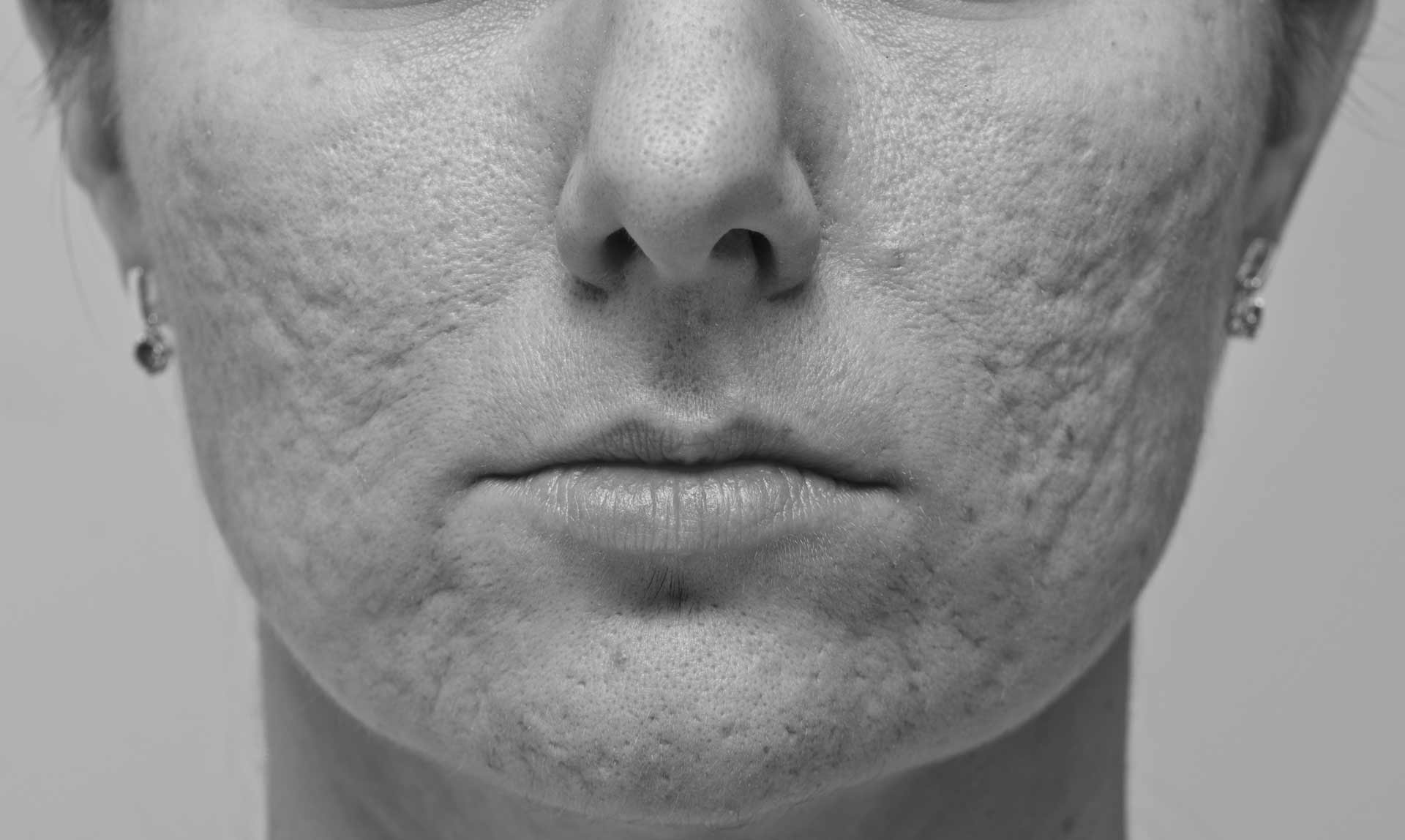
- Sunken appearance due to skin tissue loss.
- Common after acne or chickenpox.
- Indented scars like "ice pick," "boxcar," or "rolling" scars.
Keloid Scars:
- Result from aggressive healing, extending beyond the original injury site.
- Excessive collagen production leads to robust, irregularly shaped scar tissue.
- May cause discomfort, pain, or limited mobility.
- More common in darker skin tones, requiring complex treatment.
Factors affecting scar formation
Multiple factors influence scar formation, appearance, and their impact on well-being, including wound depth, genetic predisposition, ethnicity, age, and wound care. Understanding these factors guides treatment options, like laser resurfacing, to minimise scarring.
Depth and Size of the Wound:
- Larger and deeper wounds result in more significant scarring.
- Superficial wounds heal with less scarring.
Genetic Predisposition:
- Certain genes affect skin repair mechanisms and collagen production.
- Some individuals are more prone to raised or thickened scars.
Ethnicity:
- Darker skin types are more susceptible to keloid development.
Age:
- Younger skin heals quicker and more efficiently.
Wound Care and Healing Process:
Proper wound care encourages efficient healing and prevents infection.
Each factor plays a role in scar development, underscoring the importance of understanding them in dermatology, especially when deploying advanced treatments like laser resurfacing.
Minimally invasive scar treatment options
Minimally invasive scar treatments offer significant results with minimal downtime, including laser therapy and microneedling. These procedures stimulate skin healing and collagen production, enhancing skin texture and appearance.
Laser Therapy:
- Utilises focused light beams to remove outer skin layers or stimulate new skin growth.
- Types include ablative and non-ablative lasers.
Microneedling:
- Involves creating tiny punctures in the skin to trigger collagen production.
- Effective for acne scars and fine lines.
Natural remedies for scar reduction
Natural remedies like aloe vera offer gentler scar reduction methods. Aloe vera's soothing and healing properties can help reduce scar visibility over time, particularly for new and minor scars.
Aloe Vera:
- Apply fresh gel directly to the scar or use products containing aloe vera.
- Gentle massage promotes absorption and improves blood flow to the scar area.
- Results may vary, and patch testing is recommended for sensitive skin.
Understanding scars and their treatment options empowers individuals to make informed decisions about managing their scars effectively.
For personalised advice on scar treatment tailored to your specific needs, reach out to our team at PHI Clinic. Book a consultation today to explore the best options for achieving smoother, clearer skin.