For more videos, follow PHI Clinic on Instagram @phiclinic
What Is Microneedling and What Does It Actually Do
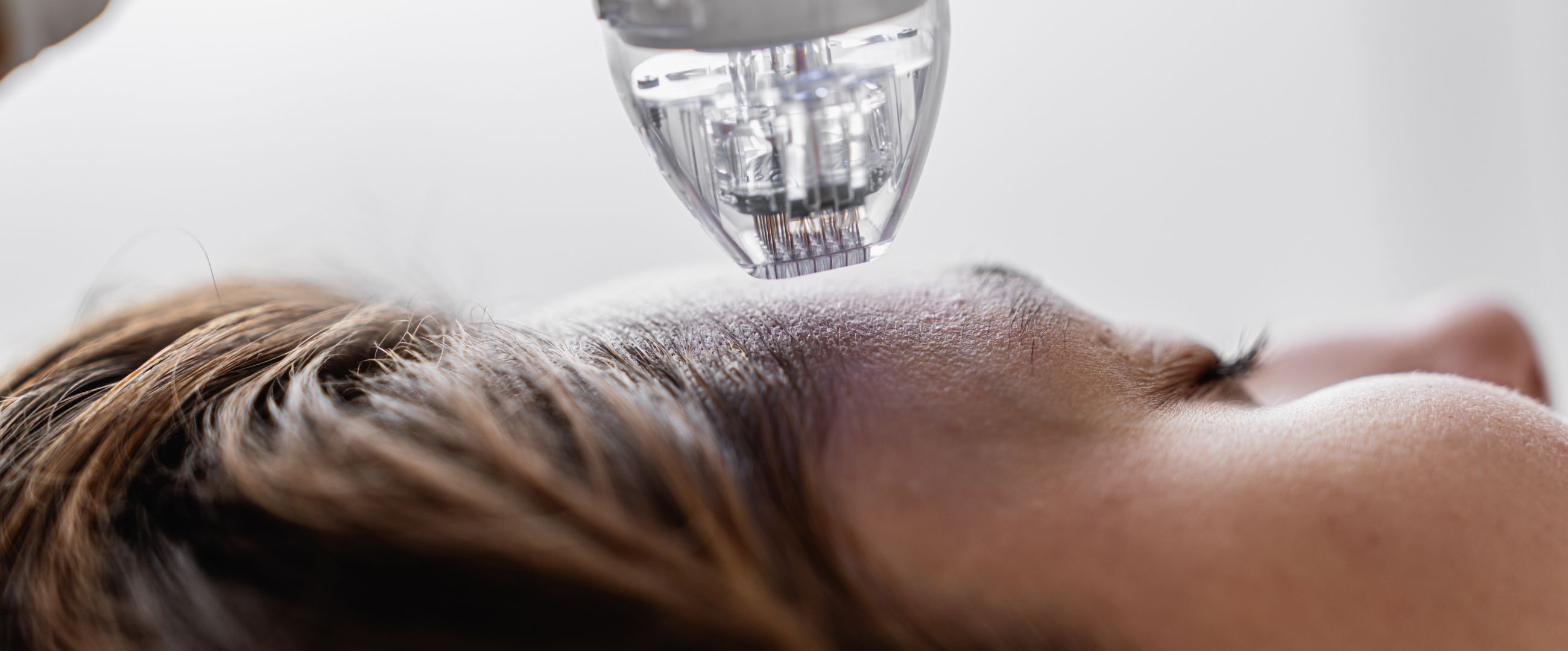
Microneedling is a minimally invasive skin treatment that uses fine, sterile needles to create controlled micro-injuries within the skin. These microchannels are precisely delivered at specific depths to stimulate the skin’s natural repair processes.
In response, the skin begins a controlled repair process, stimulating:
- collagen production
- elastin formation
- cellular renewal
Over time, this supports skin regeneration, encouraging healthier skin function and helping to remodel damaged tissue more effectively.
This can lead to improvements in:
- skin texture
- pore appearance
- fine lines
- overall skin quality
This is why microneedling has remained a popular option for early ageing skin, general skin refinement, and concerns such as open pores and uneven tone. While these benefits are well established, outcomes depend on how the treatment is applied.
The same procedure can produce very different results depending on skin condition, technique, and overall treatment planning.
What the Clinical Evidence Suggests
Clinical evidence supports the role of microneedling in improving skin texture, stimulating collagen production, and supporting overall skin rejuvenation. Published reviews of the clinical literature describe consistent benefits across concerns such as acne scars, wrinkles, pigmentation, hyperpigmentation, and general skin quality, with a favourable safety profile when treatment is appropriately selected and performed.
At the same time, the literature also reinforces an important point: microneedling is not simply a universal treatment for every skin concern. Outcomes depend on factors such as the microneedling device used, treatment depth, skin condition, and patient selection. This is particularly relevant when inflammation or barrier impairment are present, where a more cautious approach may be needed.
Taken together, the evidence supports a balanced position. Microneedling can be an effective treatment, but its value lies not just in the procedure itself, but in choosing the right skin, the right device, and the right timing.
For patients, this reinforces the importance of selecting treatment based on individual skin needs, rather than assuming a single approach will suit everyone.
Why It Has Become So Widely Used
One of the reasons microneedling is so commonly used is its versatility. It can be applied across different areas of the face and adapted depending on the concern being treated.
At a basic level, treatments such as SkinPen microneedling focus on improving surface level concerns like:
- uneven texture
- mild scarring
- enlarged pores
At PHI Clinic, this may include SkinPen Precision, an FDA Cleared option for patients seeking a more established approach to controlled surface level microneedling. Using a microneedling device of this kind allows treatment to be delivered with consistency, precision, and professional oversight.
More advanced microneedling devices, such as radiofrequency microneedling systems like the Secret RF system or Exion fractional RF, add heat energy into deeper layers of the skin.
This allows for additional effects, including:
- deeper collagen stimulation
- skin tightening
- improvement in more established wrinkles
The addition of radiofrequency energy is what makes these devices more suitable for concerns that sit deeper in the skin, beyond texture alone. This range of options is what makes microneedling feel accessible to many patients. But it is also where careful decision making becomes more important.
Microneedling with Exosomes
In recent years, microneedling has increasingly been combined with topical biologically active compounds, including exosomes.
Exosomes are small extracellular vesicles involved in cell-to-cell communication. In aesthetic treatments, they are used with the aim of enhancing the skin’s regenerative response following microneedling.
The microchannels created during treatment may allow improved penetration of these topical agents, potentially supporting processes linked to skin repair, inflammation regulation, and collagen activity.
While this area is still evolving, early research and clinical experience suggest that combining microneedling with carefully selected exosome-based products may help support skin quality, recovery, and overall treatment response in suitable patients.
However, it is important to approach this carefully. Not all exosome-based products are the same, and regulatory standards, product sourcing, and clinical evidence vary.
As with microneedling itself, suitability depends on individual skin condition, treatment goals, and the quality of the materials being used. For this reason, treatments combining microneedling with exosomes should only be performed in a clinical setting where product selection and patient suitability are properly assessed.
When Microneedling May Not Be the Right Choice
Despite its benefits, microneedling is not appropriate for every skin at every stage.
If the skin barrier is already compromised, or if there is active inflammation, creating additional micro-injury may not be the most appropriate next step.
This is particularly relevant in patients with:
In these situations, microneedling can increase inflammation, delay healing, and worsen the underlying condition. This is why treatment should not be based on trends or general recommendations, but on an individual assessment of the skin.
It is also why different skin types and skin tones need to be considered carefully. A treatment that suits one patient well may need a different setting, different device, or different timing in another.
In these cases, the focus may shift toward stabilising the skin first, rather than proceeding directly with treatment. This is why a proper assessment is essential before starting microneedling, ensuring the skin is in the right condition to respond well.
Choosing the Right Device and Depth
Even when microneedling is appropriate, not all treatments are the same. Different microneedling devices are designed to target different depths and concerns.
For example:
- standard microneedling may be suitable for surface texture, mild sun damage, and skin irregularities
- RF microneedling may be more appropriate for deeper concerns such as skin laxity or more advanced signs of ageing
The decision is not simply whether to treat, but how to treat.
This includes:
- needle depth
- energy settings, if RF is used
- treatment frequency
- the overall treatment plan
These variables influence both safety and outcome.
This is why PHI Clinic uses professional medical-grade equipment, rather than taking a one size fits all approach to treatment. This level of variation is why treatment should be tailored, rather than standardised, particularly when deeper structures of the skin are involved.
Why Timing Matters
One of the most important but often overlooked factors is timing. There are situations where microneedling may be appropriate, but not immediately.
For example, if the skin is inflamed or the barrier is impaired, the priority may first be to:
- restore skin stability
- reduce inflammation
- improve overall skin health
Only then does microneedling become a more appropriate option. This is why a step by step approach is often more effective than moving straight to treatment.
The issue is not whether microneedling works. The real problem is using the right treatment on the wrong skin, or at the wrong point in the skin’s recovery. In practice, this often means delaying treatment until the skin is better prepared, allowing for a safer and more effective outcome.
The Role of Consultation
The key question is not: “Is microneedling a good treatment?”
It is: “Is microneedling the right treatment for this skin, at this time?”
This is exactly what a consultation is designed to determine.
It allows us to assess skin health, identify any underlying inflammation or sensitivity, and select the most appropriate treatment approach, whether that involves microneedling or an alternative.
That decision depends on:
- the condition of the skin
- the presence of inflammation
- the depth of the concern
- the patient’s overall treatment goals
At PHI Clinic, this is determined through a detailed consultation, where the focus is on understanding the skin before selecting the treatment.
That may mean deciding between SkinPen precision for more superficial refinement, or a deeper option such as the Secret RF system where structural support and tightening are more relevant.
A More Considered Approach to Microneedling
Microneedling remains a valuable tool in aesthetic medicine. But like any treatment, its effectiveness depends on how and when it is used.
When applied to the right skin, with the right device, and at the right time, it can support meaningful improvements in skin quality and structure.
When used without that level of consideration, it can place unnecessary stress on the skin. The difference is not the treatment itself. It is the judgment behind it.
At PHI Clinic, microneedling is used as part of a broader, considered treatment approach.
The focus is not just on the procedure itself, but on ensuring that it is introduced at the right time, for the right skin, and with the right level of intensity.
If you are considering microneedling, the most effective next step is to book a consultation, allowing you to understand whether it is appropriate for your skin and how it can be used safely within a structured treatment plan.
About the Author
Dr Tapan Patel is the founder and medical director of PHI Clinic, a CQC-registered clinic specialising in advanced non-surgical treatments. Known for his evidence-based approach and natural results, he has been featured in Vogue, Tatler, and Harper’s Bazaar.
References
Cureus
Journal of Plastic, Reconstructive & Aesthetic Surgery