Last updated:
Polynucleotides are not like dermal fillers. We are not just adding volume and sending you on your way. During your polynucleotide injections, we are administering highly purified DNA fragments extracted from salmon or trout (often colloquially referred to as salmon sperm injections) that act as a bio-stimulator. These regenerative injectables signal your own fibroblasts to behave younger, to increase collagen formation, boost elastin production, and support tissue regeneration. If you would like the science, our complete guide to polynucleotides covers it in full.
This is a skin regeneration process. It takes time, and it requires the right post-treatment care to deliver the best results.
Read more about what happens during a polynucleotide session.
Phase 1: the first 48 hours (the “leave me alone” phase)
Immediately after your treatment, you will likely look like you have been attacked by a swarm of very polite, very precise mosquitoes. You will have little bumps (blebs) at the injection sites where the product was placed. Do not panic. This is actually satisfying, as it means the product is where it needs to be.
The golden rules
- Hands off. Do not touch, rub or massage the treated area. You want those polynucleotides to stay exactly where your practitioner placed them. Introducing bacteria or pressure can cause migration or infection.
- Skip the skincare, mostly. For the first 24 hours, keep the skin clean and dry. Avoid make-up, SPF (unless you absolutely must go outside), and active skincare such as retinol and acids. If you need to wash your face, use cool water and a gentle, fragrance-free cleanser.
- Use a cold compress. If you experience swelling or discomfort, apply a cold compress wrapped in a clean cloth to the treated area for 10 minutes at a time. Avoid applying ice directly to the skin.
- Sleep like a vampire. Elevate your head on an extra pillow tonight. This helps reduce swelling and speeds up recovery.
- No sweat. Avoid the gym, hot yoga, saunas and steam rooms. Raising your core temperature increases blood flow to the face, which can increase bruising and swelling at the injection sites.
Watch for side effects
Mild redness, swelling and small bruises are normal after polynucleotide injections. However, you should contact the clinic immediately if you notice any signs of infection, such as increasing pain, heat, spreading redness or pus at the injection sites.
See the full polynucleotide treatment protocol we follow at PHI Clinic.
Phase 2: day 2 to day 7 (the hydration station)
Now that the puncture wounds have sealed, the name of the game is skin hydration.
Do
- Hyaluronic acid is king. Polynucleotides draw water to the area. Feed that thirst. Use a high-quality, medical-grade hyaluronic acid serum on damp skin morning and night.
- SPF is non-negotiable. Your skin is in a vulnerable, remodelling state. UV exposure is the enemy of collagen formation and elastin production. A broad-spectrum SPF 50 is essential, especially if you are treating sun-damaged skin.
- Hydrate internally. You cannot out-moisturise a dehydrated body. Aim for two to three litres of water a day to plump those cells from within.
Don’t
- Exfoliate. Put down the scrubs, the AHAs and BHAs, and the retinols for at least five to seven days. Your skin barrier is compromised. Let it heal.
- Drink excessively. A glass of wine is fine, but heavy alcohol consumption dehydrates the skin and dilates blood vessels, which can worsen swelling and slow skin renewal.
More on how a course of polynucleotides is structured.
Phase 3: the long game (weeks 2 to 12)
Here is where the magic happens. You likely saw a glow immediately, due to the injection of fluid, but that might subside around day three. Do not be disheartened. The real results are being built deep down.
- Patience is a virtue. Polynucleotide injections trigger your cells to do a job. They do not do the job themselves. Most patients notice improved skin texture, reduced fine lines and better skin elasticity around week three to four, with peak collagen formation and tissue regeneration happening around weeks eight to twelve.
- Consistency is key. We usually recommend a course of three sessions, spaced two to four weeks apart. Think of these sessions as skin boosters. Skipping a session in a course is like building a house and forgetting to put up the walls.
- Maintain the barrier. Continue your focus on barrier-repairing ingredients like ceramides and peptides. This supports long-term skin renewal and helps address concerns like acne scars and sun-damaged skin.
- Your skin treatment plan. This is not a one-off fix. For lasting rejuvenation, consider how polynucleotides fit into your wider plan. You can read more about the benefits of polynucleotide treatment and how they build over time.
See polynucleotide treatment options at our Harley Street clinic.
FAQs
Can I use my LED mask?
Yes. Red light therapy is a good adjunct to polynucleotide aftercare. It helps accelerate cellular repair and reduces inflammation. Start using it 48 hours post-treatment for 10 to 15 minutes a day.
Can I get a facial?
Not yet. Avoid facials, microdermabrasion or chemical peels for at least two weeks post-injection. Your skin is undergoing tissue regeneration and needs gentle handling.
Why do I have a bruise?
We use needles, so bruising is a common side effect. It is usually minor and resolves in five to seven days. Arnica gel or tablets can help speed this up. Avoid ibuprofen if possible, as it thins the blood. A cold compress applied in the first few hours can also limit bruising.
Do salmon sperm injections make me smell fishy?
No. The DNA is extracted and purified into a sterile gel. The only thing you will smell is your hyaluronic acid serum.
What are the signs of infection I should look for?
While rare, infection is a risk with any injectable treatment. If you develop a fever, increasing redness or heat at the injection sites, or any discharge, contact PHI Clinic immediately.
Is aftercare different for under-eye treatment?
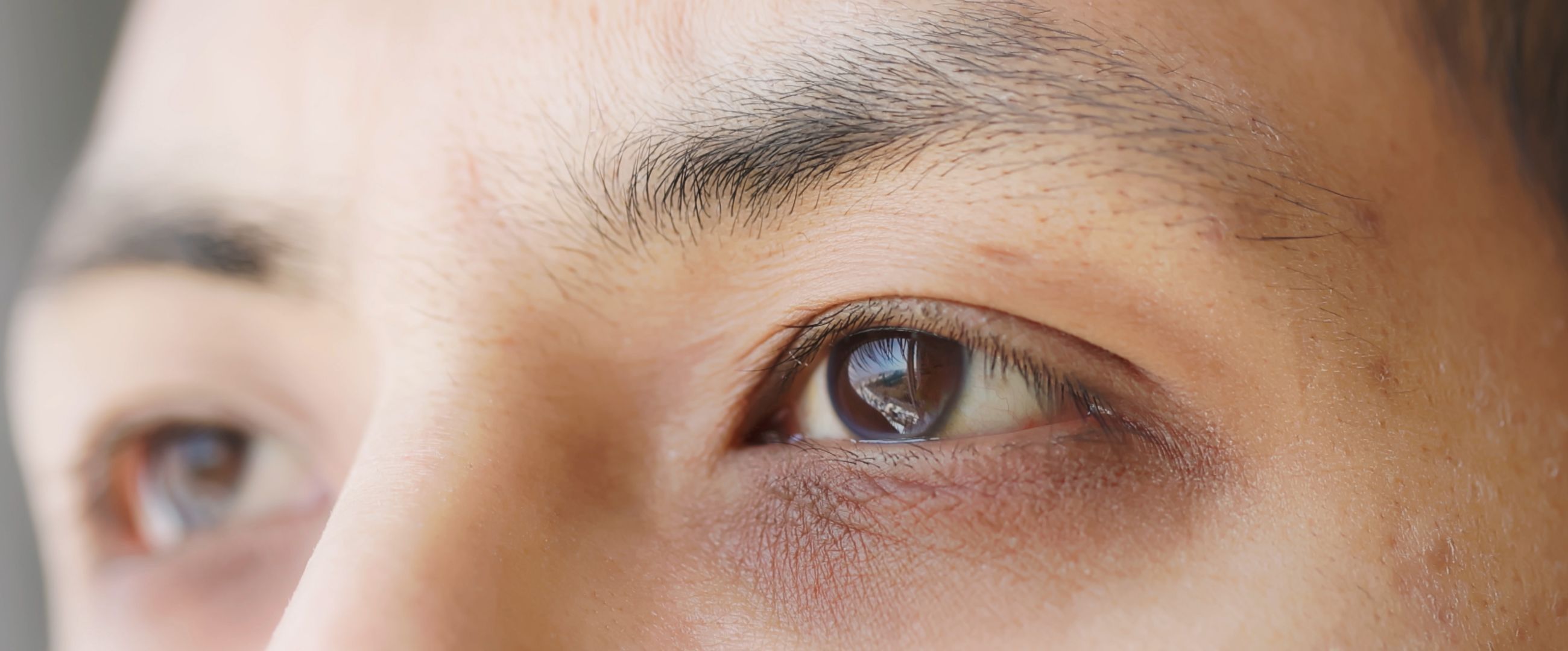
The principles are the same, but the under-eye area is more delicate and tends to swell more visibly for the first day or two. Our guide to polynucleotides for dark circles and eye hollows covers what to expect.
Speak to us about your polynucleotide course.
The bottom line
Polynucleotides are a cornerstone of regenerative aesthetics. They do not just pause ageing, they support repair at a cellular level. Whether you are targeting fine lines, acne scars, or simply want better skin hydration and elasticity, this treatment rewards good aftercare.
Follow this protocol, trust the process, and keep your skin hydrated. If you have any concerns, whether it is a lingering bump or you want to double-check a product ingredient, our team at PHI Clinic is only a phone call away.
Ready to start your skin regeneration journey? Book your next polynucleotide appointment.