Last updated:
What Are Polynucleotides?
Polynucleotides are fragments of DNA derived from purified salmon, sometimes called fish DNA or a salmon sperm facial. What matters is what they do: they are biostimulatory, prompting the skin’s own repair processes rather than masking the problem.
Our complete guide to polynucleotides explains the mechanism in full.
Why the Under-Eye Area?
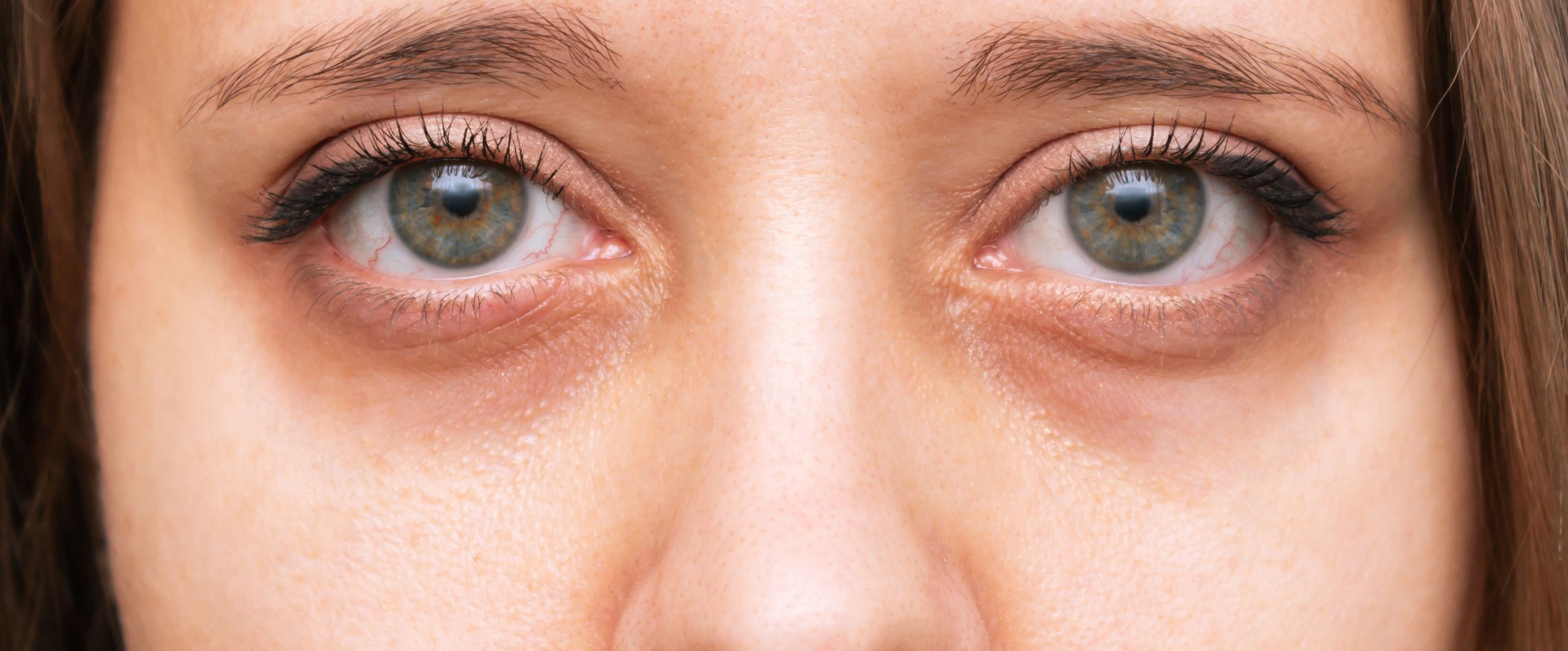
The tear trough and periorbital region are among the first areas to show signs of ageing. Skin here is thinner, collagen levels are lower, and there’s minimal fat to provide support. Over time, this leads to:
- A hollowed appearance
- Blue, purple, or brown-toned dark circles
- Eye bags
- A general look of tiredness, even when you’re well-rested
Unlike hyaluronic acid dermal fillers, which add volume to fill a hollow, polynucleotides work by improving skin quality, boosting collagen density, and supporting skin regeneration and skin elasticity over time. This is especially beneficial for patients with naturally thin or crepey wrinkled skin under the eyes.
We offer polynucleotide treatment at our Harley Street clinic.
Can Polynucleotides Help with Dark Circles?
Yes. In many cases, polynucleotides can visibly improve the appearance of dark circles, particularly when those shadows stem from:
- Thin skin revealing dark blood vessels
- Mild pigmentation or uneven tone
- Textural irregularities that catch the light
As the skin thickens and regenerates post-treatment, dark shadows often soften, and the entire area looks smoother, firmer, and more refreshed with a youthful glow. It’s a subtle shift, but one that can make a real difference to your overall appearance.
Read why we use polynucleotides around the eyes.
What About Eye Hollows?
Hollow tear troughs can be genetic or develop with age due to volume loss, reduced skin elasticity, and changes in facial fat distribution. While traditional tear trough dermal fillers (typically made of hyaluronic acid) remain a popular option, not everyone is a candidate. This is especially true if the skin is very delicate or if there’s a risk of puffiness, lumps and bumps, or filler migration.
Polynucleotides offer a gentle alternative. They won’t “fill” the area in the same way, but by improving elasticity, hydration, and collagen density, they can reduce the depth and shadowing of mild hollows. This supports a more youthful under-eye contour without adding bulk.
See our approach to under-eye polynucleotide treatment.
What Is the Treatment Like?
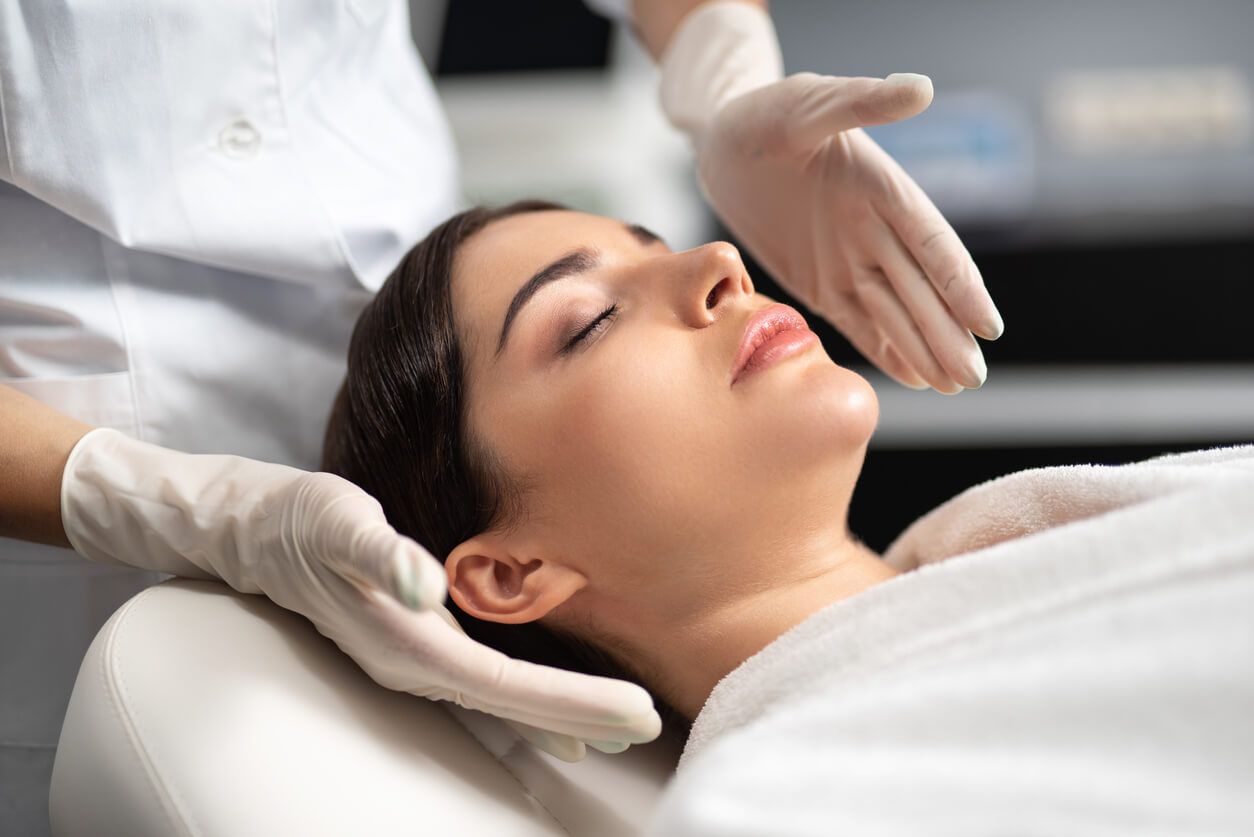
Polynucleotide treatment is delivered with ultra-fine needles or cannulas for minimal discomfort, with botulinum toxin sometimes combined if dynamic wrinkles or crow’s feet are also a concern. A numbing cream is usually applied first, and the entire procedure typically takes around 15–20 minutes.
You may notice:
- Mild swelling or redness at injection points
- Post-injection redness
- A few tiny bumps (especially under the eyes), which settle within 24–48 hours
There’s no significant downtime, and you can return to most daily activities the same day, although you’ll receive thorough post-treatment care advice to reduce risks such as vascular occlusion or irritation.
More on what a polynucleotide session involves.
How Soon Will I See Results?
Polynucleotides don’t offer instant results, and that’s the point. They’re not a quick fix, but a longer-term investment in your skin’s health. Most patients begin to see improvements in hydration and texture after 2–3 weeks, with firmer, smoother skin developing over a full course of 2–3 sessions spaced a few weeks apart.
Final results typically continue to improve over 6–12 weeks post-treatment thanks to ongoing cell turnover and cellular regeneration.
Who Is This Treatment Best For?
Polynucleotides are ideal for patients who:
- Have thin, crepey under-eye skin
- Experience dark circles due to vascular visibility, poor blood circulation or texture
- Have eye bags or mild hollow eyes
- Are prone to puffiness with traditional filler
- Prefer a more regenerative, natural approach to cosmetic treatments
We also find it’s an excellent option for those who’ve previously had tear trough filler and are now looking to maintain skin quality or reduce the need for further volumising.

Pricing and course structure for polynucleotides.
Can It Be Combined with Other Treatments?
. Polynucleotides are often part of a broader treatment plan at our skin clinic. We may recommend combining them with:
- Tear trough dermal fillers (in appropriate patients) for volume restoration
- Laser treatments to address pigmentation, acne scarring or skin texture
- Topical skincare to maintain results
- Skin tag removal or treatment of lumps and bumps if required
It’s all about layering subtle cosmetic treatments to support long-term skin health.
The PHI Clinic Approach
We don’t believe in trends for trend’s sake. Every under-eye concern is different, and our expert-led approach ensures that each patient receives a tailored plan based on anatomy, history, and desired outcome.
If you’re seeking natural rejuvenation, something to soften dark circles, reduce tiredness, and restore confidence without adding volume, polynucleotides could be the treatment that quietly transforms how you feel in your skin.
Book an under-eye assessment with our practitioners.
In Summary
Polynucleotides are not a replacement for filler. They’re a different category altogether. Regenerative, restorative, and rooted in skin health, they offer a sophisticated solution for tired-looking eyes.
If dark circles, hollows, or crepey wrinkled skin have left you feeling less than your best, book a consultation at PHI Clinic. Our team will assess your needs and build a subtle, scientifically backed plan to bring out your best, no filters, minimal downtime, just better skin.