Last updated:
What is a polynucleotide skin booster?
A skin booster is an injectable treatment that improves the condition of your skin rather than changing its shape. Traditional skin booster treatments use hyaluronic acid to hydrate and refresh. A polynucleotide skin booster goes a step further into skin regeneration.
Polynucleotides are biostimulators made from purified salmon DNA. Once injected, they act as a biological signal that prompts your skin to repair and renew itself. So while a classic skin booster mainly hydrates, a polynucleotide treatment works deeper within the dermal layer, supporting the skin's own ability to rebuild. This places it among the regenerative skin boosters within a category known as regenerative aesthetics, alongside treatments such as Profhilo. The DNA fragments used are highly purified and CE-marked, meaning they are clinically validated for aesthetic use and well tolerated by most people.
We offer polynucleotide injections at our Harley Street clinic.
How do polynucleotide skin boosters work?
Polynucleotide skin boosters work by encouraging fibroblast production, the cells responsible for keeping skin firm, supple and hydrated. As we age, fibroblast activity slows and collagen levels fall, so the skin gradually loses elasticity and its ability to hold moisture. A polynucleotide skin booster helps to reawaken this natural process of cellular repair.
Once injected, it supports the skin in several ways:
- Collagen and elastin production, for firmer, more resilient skin over time
- Deep skin hydration, improving how well the skin retains moisture from within
- Cellular renewal, supporting cell turnover for healthier tone and skin texture
- Calming inflammation, helping to soothe redness and even out the complexion
Because this collagen stimulation is a gradual, biological process rather than an instant filling effect, the results look natural. As skin elasticity improves, your skin simply looks healthier, fresher and better rested.
See how polynucleotide treatment works in the clinic.
What can a polynucleotide skin booster help with?
A polynucleotide skin booster is best understood as a skin-quality treatment rather than a fix for one isolated concern. It suits people whose skin looks tired or lacklustre, even when volume is not the issue. It can help to improve:
- Fine lines and wrinkles
- Loss of firmness and elasticity
- Dehydrated, dull or crepey skin
- Dark circles and hollow under-eye skin
- Uneven tone and rough skin texture
- Certain types of scarring, including acne scarring
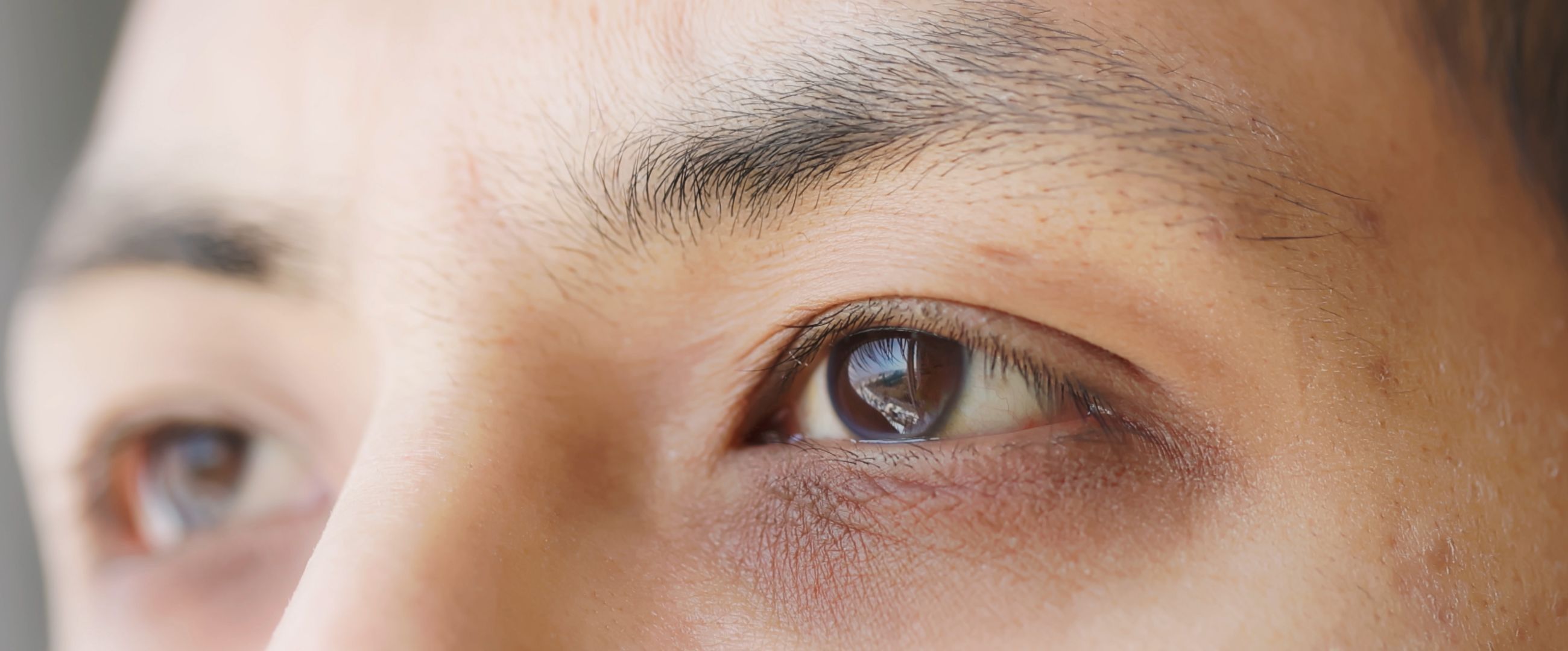
It is especially valued for the delicate skin around the eyes, where thicker treatments are not always appropriate. Here, a polynucleotide skin booster can improve hydration and skin quality gently, softening dark circles and helping tired-looking eyes appear brighter.
Explore the concerns polynucleotides are used to treat.
Which areas can be treated?
One of the reasons polynucleotide skin boosters have become so popular is their versatility. They can be used wherever skin quality could be improved, including the under-eye area, the cheeks and forehead, the neck and décolletage, the backs of the hands, and areas affected by scarring or uneven texture. During your consultation, your practitioner will carry out a skin assessment and recommend the areas most likely to benefit.
Details of treatment areas and session numbers.
What to expect from your treatment
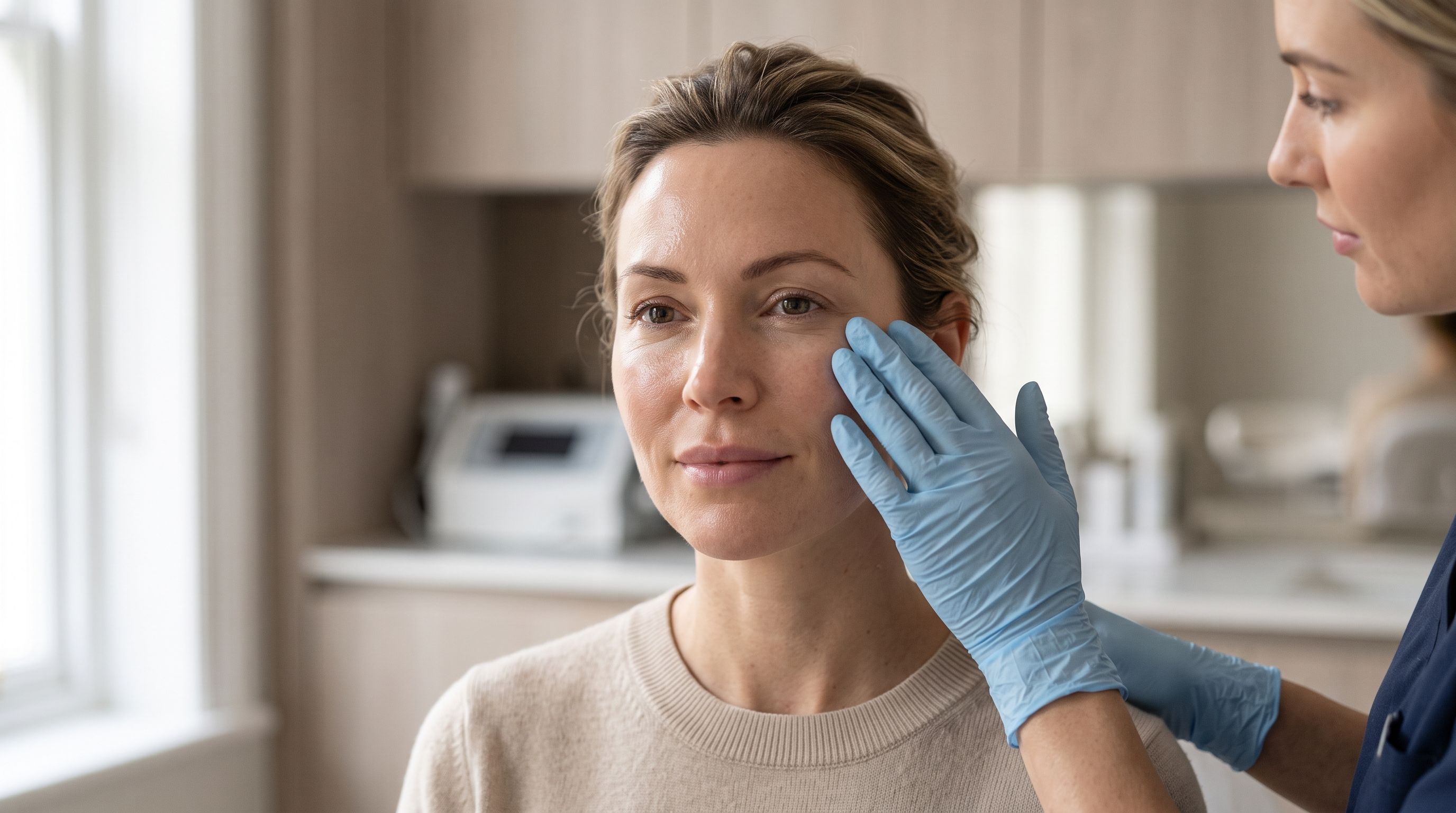
Every treatment at PHI Clinic begins with a consultation and skin assessment, where your practitioner takes time to understand your skin, your concerns and your goals before building your treatment plan. A good consultation should never feel rushed, as it is the foundation of a safe, tailored plan.
The treatment itself is quick and straightforward. Polynucleotide injections are delivered using a very fine needle, and a treatment course of three sessions, spaced around two to four weeks apart, is typically recommended for the best results. Because the treatment works by encouraging skin regeneration, results build gradually. Many people notice an early improvement within the first few weeks, with more meaningful changes in skin quality developing over the two to three months after the final session. Results generally last around six to nine months, after which maintenance keeps the benefits topped up.
Downtime and aftercare
A polynucleotide skin booster is minimally invasive, and downtime is limited. Most people return to their day straight away. It is common to see small bumps or mild swelling at the injection points, but these usually settle within 24 to 48 hours. Your practitioner will give you tailored aftercare advice, though as a general guide it helps to keep the area clean, avoid make-up, vigorous exercise, alcohol and excessive heat for the first day or so, and to protect your skin with SPF. Supporting your results with good daily skincare, including antioxidants and sun protection, helps them last.
See how to care for your skin after a skin booster session for the week-by-week detail.
Is it safe? Who is a good candidate?
Polynucleotide skin boosters have a strong safety profile and are well tolerated by most people. The products are highly purified, CE-marked and biocompatible, so allergic reactions are rare. As with any injectable, the most important safety factor is the person performing it.
The treatment suits a wide range of people, from those in their late twenties wanting to protect their skin health, to those looking to improve firmness, hydration and texture later in life. It may not be suitable if you are pregnant or breastfeeding, have certain medical conditions, or have a known allergy to fish-derived ingredients, which is exactly what your consultation is there to check.
Polynucleotide skin boosters vs Profhilo and hyaluronic acid boosters
If you are weighing up your options, it helps to know how these treatments differ from dermal fillers and from one another. Dermal fillers add volume and structure. Hyaluronic acid skin boosters and Profhilo work mainly by hydrating and, in Profhilo's case, bio-remodelling the skin using hyaluronic acid. A polynucleotide skin booster works differently again, prompting the skin to repair and regenerate at a cellular level. Neither is simply better than the other, and many people combine them within a longer-term treatment plan for healthy, resilient skin.
At PHI Clinic, polynucleotides sit alongside a range of other injectable skin boosters, including Profhilo, NCTF 135HA, Juvelook and SkinVive, each suited to slightly different needs. Where hydration-focused boosters like SkinVive and NCTF concentrate on moisture and glow, and Profhilo works by bio-remodelling, polynucleotides and collagen-stimulating options such as Juvelook focus on longer-term regeneration and skin quality.
If you would like a fuller comparison, our guide on polynucleotides versus Profhilo breaks it down, and our complete guide to what polynucleotides are covers the science in more depth.
Compare polynucleotides with our other skin boosters.
Considering a polynucleotide skin booster in London?
A polynucleotide skin booster is a considered, science-led approach to skin rejuvenation, ideal if you want to look refreshed and like yourself, only better rested. If you would like to find out whether it is right for you, our practitioners at PHI Clinic will be glad to guide you through your options. Book a consultation to discuss your skin, your concerns and a plan tailored to you.
Arrange a polynucleotide skin booster consultation.
Frequently asked questions about polynucleotide skin boosters
Do polynucleotide skin boosters really work?
Yes. They are supported by clinical evidence and work by stimulating your skin's natural repair processes. Because results build gradually, they tend to look natural, improving skin quality, hydration and firmness rather than changing the shape of your face.
Are the injections painful?
Most people find the treatment very comfortable. A very fine needle is used, and a numbing cream can be applied beforehand to keep any discomfort to a minimum. You may feel a small scratch or mild pressure, but the treatment is quick.
How long do the results last?
Results typically last around six to nine months after a full treatment course. Because this is a regenerative treatment, many people choose maintenance sessions to sustain the improvements over time.
How many sessions will I need?
A course of three sessions, spaced two to four weeks apart, is usually recommended for the best results. Your practitioner will confirm the right plan for you at your consultation.
How is a polynucleotide skin booster different from a hyaluronic acid one?
A hyaluronic acid skin booster mainly boosts skin hydration, while a polynucleotide skin booster goes further by encouraging the skin to repair and regenerate itself. The two can also work well together.
Is there any downtime?
Downtime is minimal. You can usually return to your day straight away, though you may notice small bumps or mild swelling at the injection points, which typically settle within a day or two.