For more videos, follow PHI Clinic on Instagram @phiclinic
What Fractional Laser Treatment Actually Does
Fractional resurfacing works by creating controlled microscopic zones of injury in the skin. That sounds aggressive, but the goal is the opposite.
By creating these small, targeted treatment zones, the skin is triggered to repair itself. This process drives:
- collagen production
- skin renewal
- improvement in texture and skin tone
Different wavelengths target different depths.
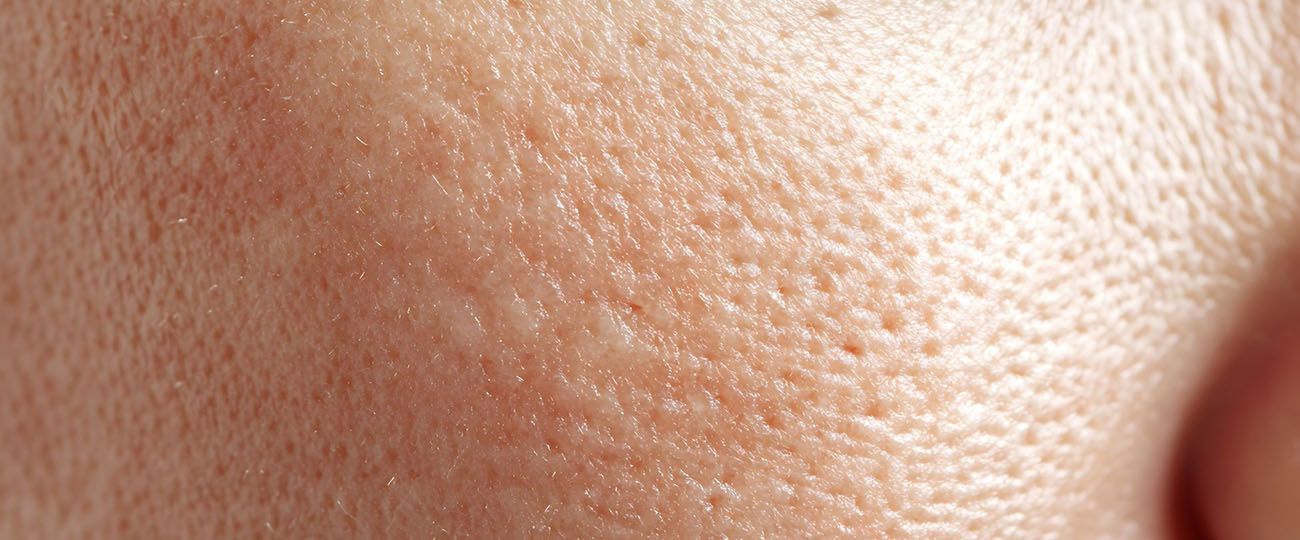
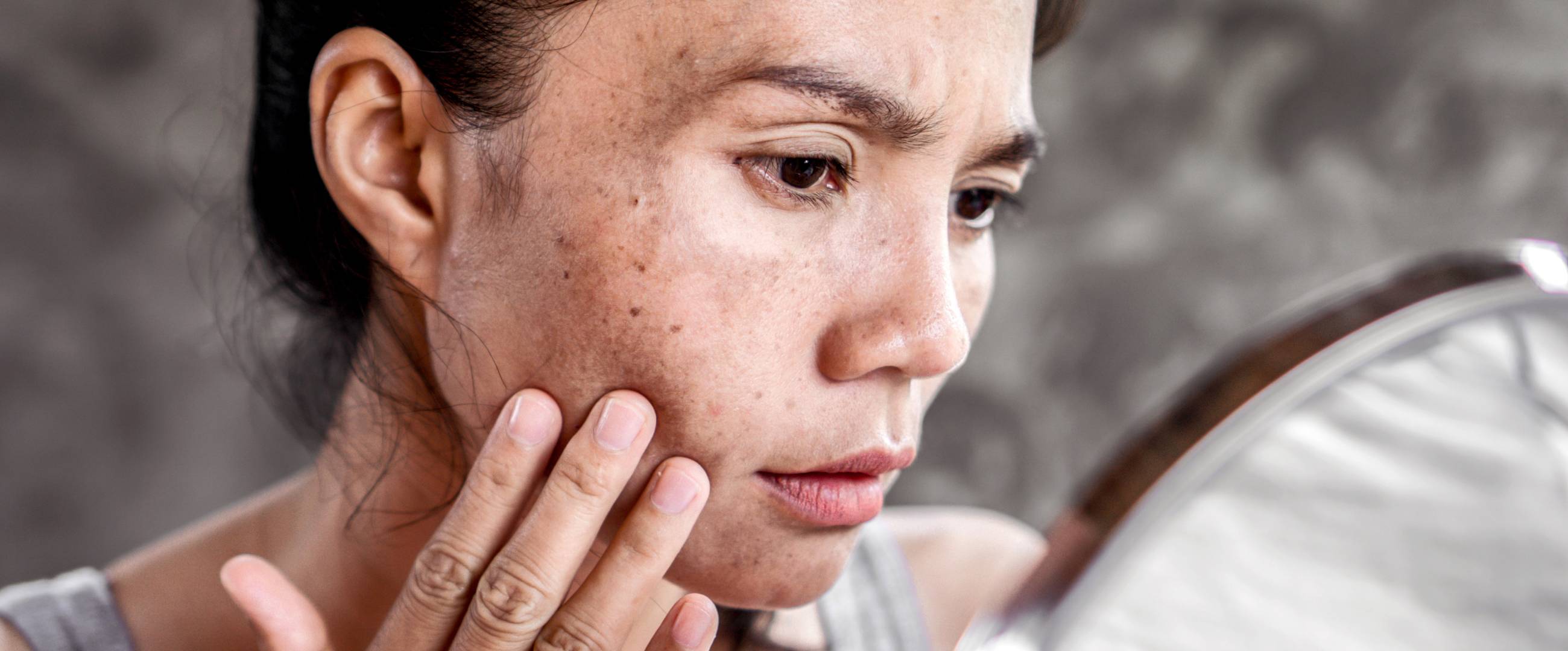
Some work more superficially, helping with skin pigmentation, hyperpigmentation, and surface irregularities. Others penetrate deeper, supporting collagen and structural improvement within the skin tissue.
Traditionally, these functions have often required separate devices. For patients, the key question is not whether laser works, but how it should be used for their specific concern.
This is where treatment planning becomes important, as depth, intensity, and approach can all be adjusted depending on the outcome you are looking to achieve.
What Makes MultiFrax Different
MultiFrax combines two wavelengths, 1550nm and 1927nm, into a single device, allowing both surface and deeper layers of the skin to be treated at the same time.
As Dr Tapan explains:
“This laser’s got two different wavelengths, what we call 1550 and 1927, and we can use them both at the same time.”
That matters because it allows treatment to be more comprehensive in a single session.
Surface concerns such as pigmentation can be addressed alongside deeper concerns such as collagen loss, wrinkles, and skin structure. This makes it a strong option for patients seeking Fractional Laser Resurfacing without having to separate different treatment goals across multiple devices.
But the difference is not just technical. It is practical.
In consultation, this allows us to treat multiple concerns within a single session, rather than separating treatments across different devices or appointments.
A Shift in How Laser Treatments Are Delivered
Most patients imagine lasers as large, fixed machines that require a dedicated room.
That has traditionally been true.
MultiFrax changes that.
As Dr Tapan describes it:
“Your typical laser is a pretty big thing… and that’s why I love this new gadget… it allows me to literally have it in my pocket.”
That portability might sound like a small detail, but clinically it reflects a broader shift.
Laser treatments are becoming:
- more flexible
- easier to integrate into different treatment plans
- less disruptive to the patient experience
It is a move away from one machine for one purpose, toward more adaptable treatment systems that can be used across a wider range of concerns, including skin irregularities, skin scars, and early signs of ageing.
What This Means for Treatment Experience
From a patient perspective, the experience is also different.
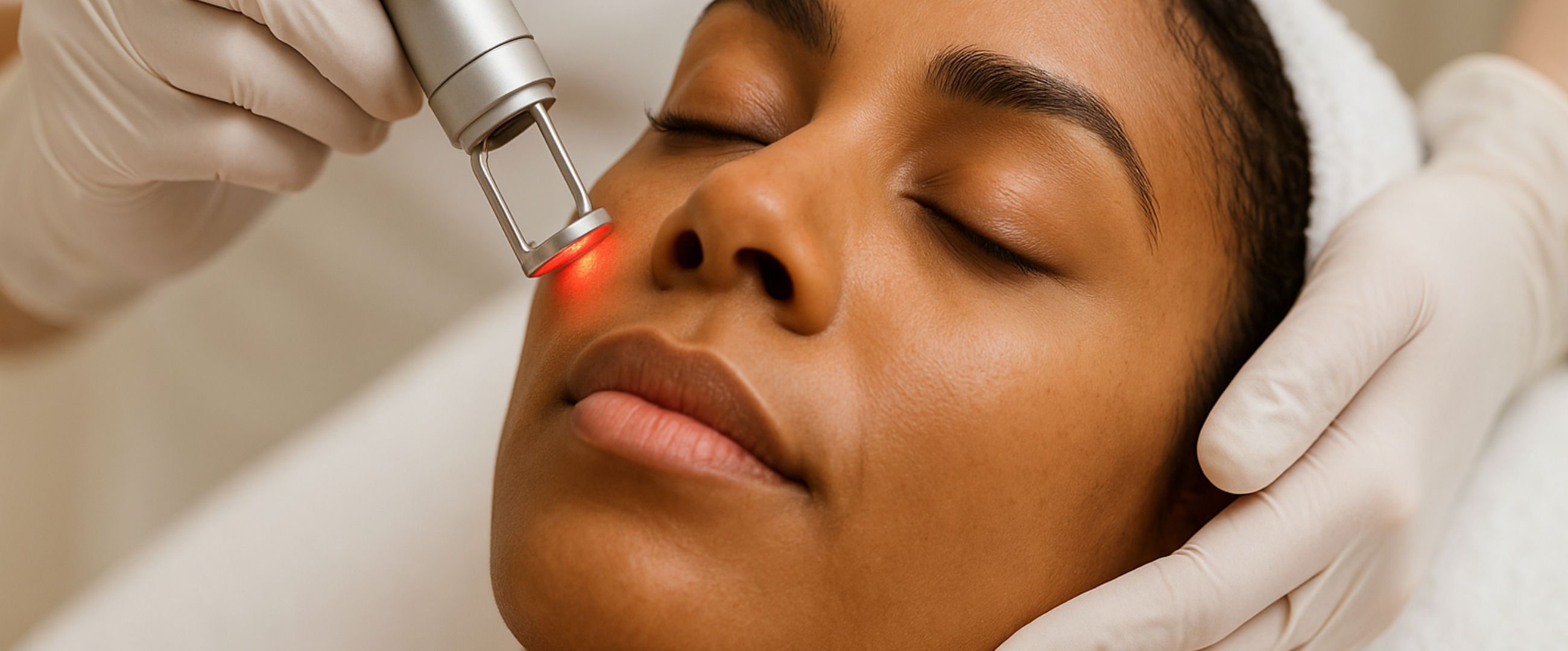
The device uses a rolling mechanism to deliver treatment across the skin, rather than static pulses in fixed positions.
That allows for:
- more even coverage
- controlled delivery
- a more tolerable treatment experience
At lower settings, treatment can often be performed without anaesthetic cream.
As Dr Tapan explains:
“It’s very comfortable and certainly at lower settings we don’t even need any anaesthetic cream.”
This is important.
Because patient comfort directly affects whether people are willing to start and continue treatment.
This type of treatment is often described as a “digital peel”, offering many of the benefits of traditional resurfacing approaches, but in a more controlled and predictable way, with less disruption to the skin. In practical terms, that makes it easier to treat areas like the full face & neck when appropriate, without the treatment feeling excessively burdensome.
For many patients, this makes it easier to start treatment, particularly when downtime or discomfort has previously been a barrier.
Where MultiFrax Is Most Useful
The strength of this type of laser is its versatility.
It is not limited to one concern.
At PHI Clinic, it is used for:
- skin texture and overall skin quality
- acne scars and surgical scars
- stretch marks
- pigmentation and sun damage
- melasma
- delicate areas such as around the eyes
This reflects the advantage of dual-wavelength treatment.
Different layers of the skin can be targeted in a single approach, rather than treating each concern separately.
That is particularly useful in patients dealing with more than one issue at once, for example acne scarring combined with uneven skin tone, or photodamage combined with skin pigmentation and textural change.
For patients presenting with more than one concern, this type of approach allows treatment to be more efficient, addressing texture, tone, and structural changes within a single plan.
The Role of Collagen and Skin Renewal
Much of the long-term benefit from fractional laser treatment comes from how the skin responds after the procedure.
The controlled injury created by the laser stimulates:
- collagen stimulation
- cellular turnover
- gradual improvement in skin structure
This is why results often develop over time, rather than appearing immediately.
It is also why treatment planning matters.
The goal is not just a short-term improvement, but a sustained change in how the skin behaves. Over time, that can contribute to smoother texture, better skin tightening, and improvement in the way damaged or ageing skin tissue looks and feels. Because these changes develop gradually, treatment is often planned as a course, allowing results to build over time in a controlled and predictable way.
What the Clinical Evidence Shows
Clinical evidence supports the use of dual wavelength fractional laser technology for improving skin quality and photodamage.
A multicentre clinical study evaluating a 1550nm and 1927nm laser system found that combining both wavelengths allows treatment of both deeper and more superficial layers of the skin in a single approach.
Patients in the study showed measurable improvements in photodamage, including reductions in fine wrinkling, roughness, and pigmentation following a series of treatments. Treatments were well tolerated, with only mild and temporary side effects such as redness and dryness, and no serious adverse events reported.
Taken together, this supports a clear clinical position. Fractional laser treatment, particularly when combining wavelengths, can deliver both surface and deeper skin improvements in a controlled and predictable way. As with any treatment, outcomes depend not just on the technology itself, but on how it is applied within a well-planned treatment approach.
For patients, this provides reassurance that treatment can be both effective and well tolerated when used appropriately within a structured treatment plan.
Why This Type of Laser Is Becoming More Popular
There has always been demand for treatments that improve skin quality.
What has changed is what patients expect from the experience.
There is now more focus on:
- minimal downtime
- natural-looking results
- treatments that fit into daily life
Devices like MultiFrax sit within that shift.
As Dr Tapan explains:
“This has proved to be massively popular in the clinic already… and I’m really pleased with the results we’ve had with it so far.”
That popularity is not just about results.
It is about how the treatment fits into a patient’s routine. Patients want effective resurfacing, but they also want a treatment that can address wrinkles, hyperpigmentation, and early structural change without feeling like an overwhelming procedure. This is particularly relevant for patients looking for results that fit around work, social commitments, and everyday life, rather than requiring extended recovery time.
Where MultiFrax Fits Within Treatment Planning
Like any device, MultiFrax is not designed to replace every other laser.
Some treatments still require more aggressive laser resurfacing. Others require highly specific targeting.
But for many patients, particularly those looking to improve:
- skin quality
- pigmentation
- early signs of ageing
- scarring
it offers a more balanced approach.
At PHI Clinic, it is used as part of a broader treatment plan, rather than a standalone solution.
That allows treatment to be tailored based on:
- the skin concern
- the area being treated
- the desired level of downtime
- long term goals
This is especially relevant in patients whose concerns overlap, for example acne scars, skin irregularities, and uneven pigmentation across the full face, or textural changes extending across the full face & neck. This is why a personalised consultation is essential, ensuring that the treatment selected aligns with both the skin concern and the level of downtime that is realistic for each patient.
What Patients Should Know Before Treatment
The most important question is not:
“Which laser should I have?”
It is:
“What am I trying to improve, and what is the best way to treat it?”
Fractional laser treatment can be highly effective, but only when it is used appropriately.
A proper consultation helps determine:
- whether laser is the right approach
- which settings and depth are appropriate
- how it fits into a wider treatment plan
At PHI Clinic, MultiFrax is used as part of a broader treatment approach focused on improving skin quality, texture, and overall skin health.
If you are considering laser resurfacing, a consultation is the most effective way to understand whether this type of treatment is appropriate for your skin, what level of intensity is suitable, and how it fits into a longer term plan.
Book a consultation to receive a personalised treatment plan based on your skin, your concerns, and the most effective way to treat them.
About the Author
Dr Tapan Patel is the founder and medical director of PHI Clinic, a CQC-registered clinic specialising in advanced non-surgical treatments. Known for his evidence-based approach and natural results, he has been featured in Vogue, Tatler, and Harper’s Bazaar.
References
Journal of Drugs in Dermatology