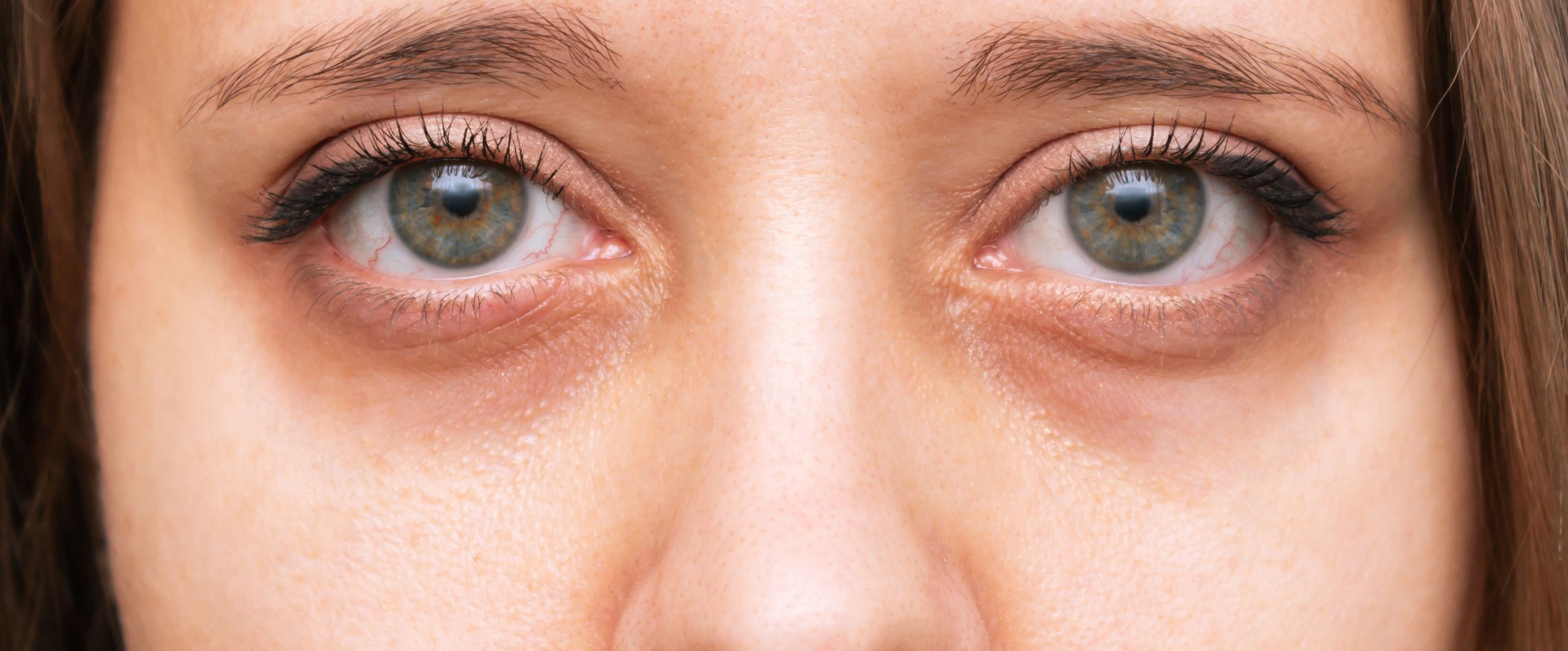
These are the five situations where our practitioners would usually advise against tear trough filler:
- True under-eye bags. Adding filler over a prolapsed fat pocket usually makes the puffiness worse, not better.
- Fluid retention or poor lymphatic drainage. Hyaluronic acid attracts water, so swelling settles more slowly and can persist.
- Very thin or crepey under-eye skin. Filler can show through as a grey cast, known as the Tyndall effect.
- Dark circles caused by pigment or visible vessels. There is no volume loss to correct, so filler will not change them.
- Wanting a dramatic result. Overfilling the tear trough is what causes migration, lumpiness and the results people later want dissolved.
This matters because the under eye area is unforgiving. When dermal fillers are used appropriately, results can be subtle, natural and achieved with minimal downtime. When filler treatments are used in the wrong circumstances, they can draw attention to the area, worsen existing concerns, or create issues that are difficult to reverse.
Many people assume that if they have dark circles, under-eye hollows or hollowed eyes, under-eye filler must be the answer. These concerns come from different causes. They relate to facial anatomy, the ageing process, skin thickness, and skin elasticity. Not all of them should be treated with hyaluronic acid filler. Understanding who is not suitable for tear trough filler is just as important as understanding who is.
Why the Under Eye Area Needs Extra Caution
The tear trough sits within the periorbital region, one of the most delicate areas of the face. The skin here is thinner than almost anywhere else, collagen and elastin support reduce with age, and natural drainage is limited. Even small changes in volume, placement or filler migration can have a noticeable impact.
This is why tear trough filler treatment in London is considered more advanced than many other non-surgical cosmetic treatments in aesthetics. It is not simply about adding volume. Injectors need a detailed understanding of facial anatomy, skin texture, mid-face support, and how the under-eye area changes over time.
For some patients, under-eye filler can soften dark shadows and restore balance. For others, it can do the opposite.
When “Tired Eyes” Are Not Caused by Hollows
A common reason people seek tear trough filler is the feeling that they look tired all the time, regardless of sleep or lifestyle. While hollowness or sunken eye troughs can cause this, other factors often cause it. These include under-eye bags, fluid retention, dark circles, age spots, loose saggy skin, or thin skin showing blood vessels underneath.
These concerns may appear similar in the mirror, but they require very different treatment approaches. Treating all under-eye concerns as volume loss can lead to poor results and unnecessary risk.
This is why suitability for under-eye filler should never be assumed.
Why Knowing When Not to Treat Is Essential
One of the most overlooked aspects of aesthetic medicine is restraint. The safest and best results come from knowing when to avoid a cosmetic procedure. Sometimes you should delay it or use a different method instead.
Tear trough filler is a treatment where this judgement is critical. Knowing who is not suitable helps prevent bruising, prolonged swelling, lumps or irregular texture. This protects long-term results and makes sure injectable treatments improve the under-eye area instead of just hiding the problem.
The sections below look at each of these in more detail.
Patients With Prominent Under-Eye Bags
Tear trough filler at our London clinic is often unsuitable for patients with true under-eye bags, particularly those caused by fat prolapse or fluid retention.
Adding hyaluronic acid filler under the eye can make puffiness worse. It can also change facial shapes and increase sagging under the eyes. Many people confuse under-eye bags with hollows. These problems need very different treatments.
Treating eye bags with filler alone frequently leads to disappointing or unnatural results.
Patients With Fluid Retention or Lymphatic Issues
The tear trough relies on effective lymphatic drainage. Patients prone to fluid retention, swelling or morning puffiness are at higher risk of prolonged oedema.
In these individuals, filler treatments can attract water and worsen fullness under the eyes. Tear trough filler is often avoided or approached with extreme caution due to concerns around safety and efficacy.
Patients With Very Thin or Crepey Under-Eye Skin
Very thin skin or crepey wrinkled skin beneath the eyes may not respond well to under-eye filler.
Because skin thickness is limited, filler can become visible, creating a grey or uneven appearance known as the Tyndall effect. Fine lines and wrinkles may also appear more pronounced if volume is added without addressing skin quality.
In these cases, treatments that improve skin texture, elasticity, and collagen support may work better than adding volume.
Patients Whose Dark Circles Are Not Caused by Volume Loss
Not all dark circles or dark shadows under the eyes are caused by hollowness.
Some are due to hyperpigmentation, visible blood vessels, loose skin or broader signs of ageing rather than volume loss. Tear trough filler is unlikely to address these concerns and may even draw attention to them.
Injectors must make an accurate diagnosis based on facial anatomy before starting any treatment.
Patients Seeking Dramatic or Immediate Results
Tear trough filler is designed for subtle correction, not dramatic transformation.
Patients seeking instant, high-impact change may not be suitable candidates. Filling the tear trough too much to get visible results raises the risk of filler moving, uneven texture, and long-term problems.
A conservative mindset is essential for achieving natural results that age well.
When Tear Trough Filler May Be Deferred
Some patients are not permanently unsuitable, but may need treatment deferred. This includes people with temporary swelling, untreated skin problems, lifestyle factors that increase bruising risk, or concerns about cost.
In these cases, it may be better to reassess after the skin stabilises. Or, consider other non-surgical treatments.
The Role of Ethical Assessment at PHI Clinic
One of the strongest indicators of expertise is knowing when not to treat.
At PHI Clinic, tear trough consultations prioritise a thorough consultation, detailed facial assessment by an experienced practitioner or injector, honest discussion of risks and clear explanation of expected results.
By carefully checking who is suitable, we avoid treatments that do not fit well. We reserve tear trough filler for patients who will truly benefit. The focus is not on performing a treatment session for everyone, but on delivering the right treatment, in the right way, at the right time.
For full treatment details, suitability criteria and alternatives, see tear trough filler treatment in London. If you are unsure whether you are a suitable candidate, book a consultation and one of our practitioners will tell you honestly.