When Tear Trough Filler Is Not the Right Starting Point
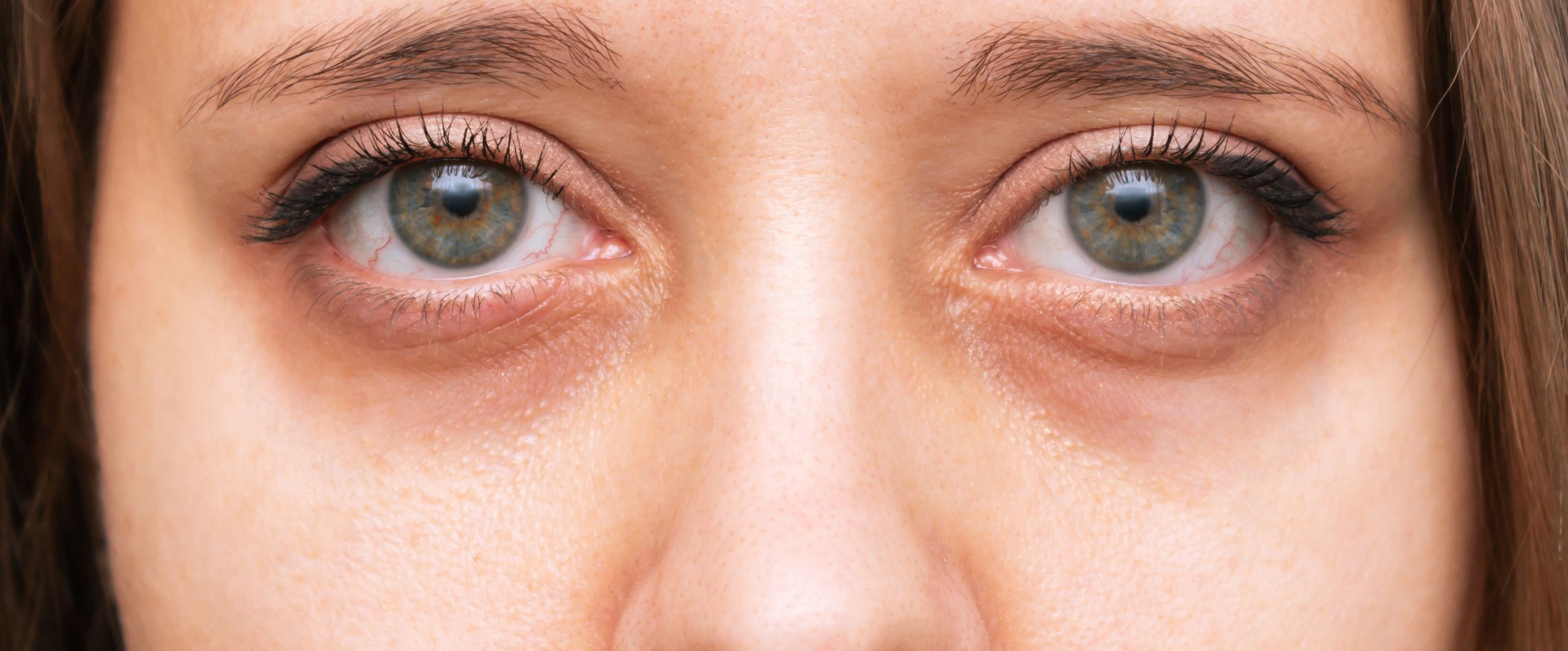
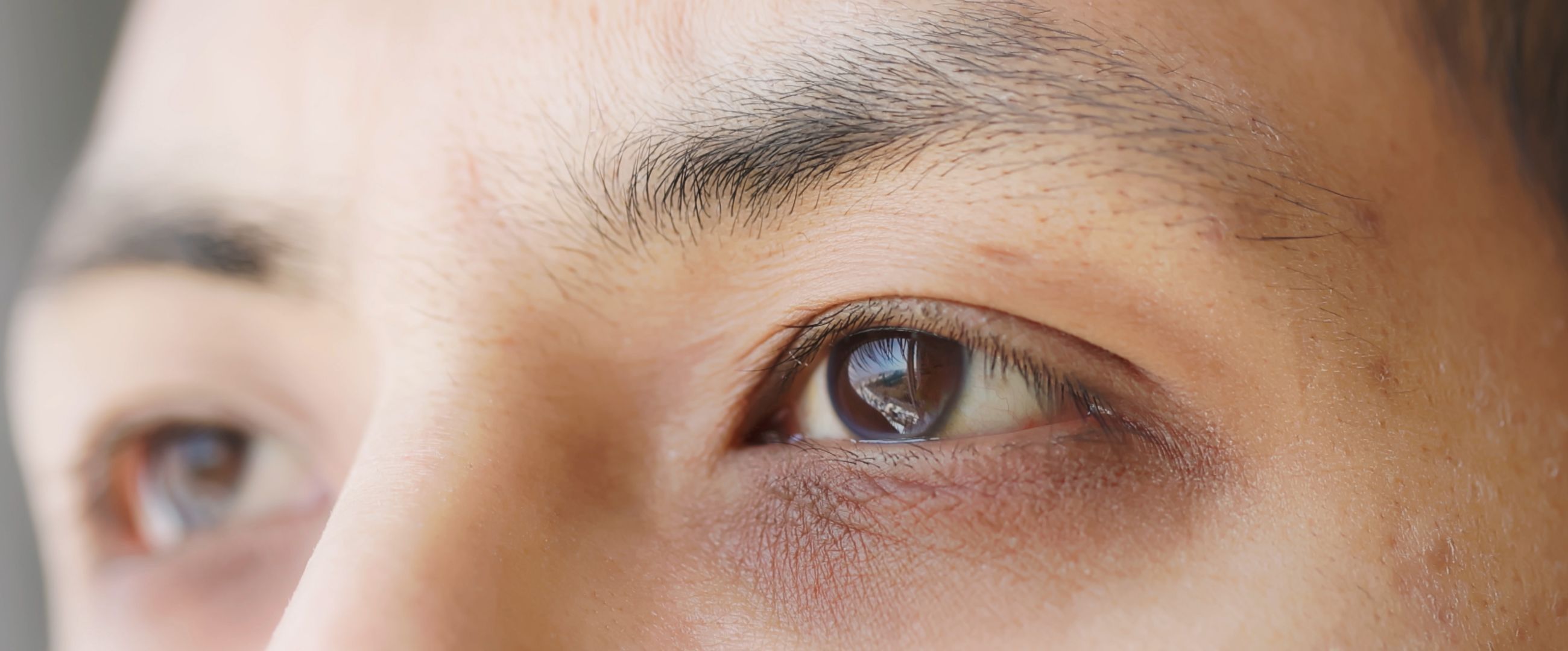
The under eye area can change for many reasons. Puffiness, under eye bags, thin skin, visible blood vessels, inflammation, discoloration or early signs of ageing are not always caused by volume loss.
In these situations, adding tear trough filler or other under eye filler may fail to address the underlying issue. In some patients, filler can worsen dark circles, increase skin laxity, cause prolonged swelling, or create visible irregularities such as lumps and bumps. Poor lymphatic drainage can also increase the risk of persistent puffiness.
This is why a full consultation with experienced aesthetic practitioners is essential. Understanding whether the concern relates to under eye hollows, infraorbital hollows, loose skin, skin texture changes or fluid retention allows safer and more effective alternatives to be explored.
Skin Quality Treatments for Under Eye Rejuvenation
In many patients, skin thinning, less collagen and elastin production, or poor skin hydration affect the under eye area more than true hollowing.
At PHI Clinic, skin focused treatments such as Polynucleotide treatment are often considered as alternatives to filler. Polynucleotides support skin regeneration, improve hydration, and strengthen fragile under eye skin over time. They may be particularly beneficial for patients with fine lines, early ageing changes, or crepey texture where filler could increase risk.
Other regenerative options may include growth factors, platelet rich fibrin, exosome therapies, or microneedling, depending on assessment. These approaches prioritise tissue health and resilience rather than volume, and may help reduce fatigue related changes such as so called panda eyes.
Non-Filler Treatments for Texture and Tightening
For patients whose main concern is skin texture, early skin laxity, or fine lines rather than volume loss, treatments that stimulate collagen without filler may be more appropriate.
Options can include skincare treatments, chemical peels, laser treatments, laser resurfacing or targeted laser therapy. These treatments aim to improve skin texture, firmness and overall quality, rather than altering facial contours. When used appropriately, they may reduce discoloration and improve how light reflects under the eyes.
These approaches are particularly useful when under eye concerns are related to surface changes rather than deeper anatomical issues.
Treating Support Around the Tear Trough
Sometimes the under eye hollow appears more pronounced because of reduced support in surrounding areas rather than the tear trough itself. Loss of structure around the infraorbital rim, cheek or mid face can create the appearance of under eye hollowing or sunken eyes.
In these cases, restoring balance elsewhere may indirectly soften the under eye region without placing filler directly into the tear trough. This approach reduces risk, avoids unnecessary bruising, and focuses on overall facial harmony rather than isolated correction.
When filler is used elsewhere, careful technique with cannulas may be preferred to minimise trauma in sensitive areas.
When Surgical Options May Be More Appropriate
In individuals with prominent eye bags, persistent puffiness or loose under eye skin, non-surgical cosmetic treatments may have limited impact. In these situations, surgery such as blepharoplasty may be discussed as a more definitive solution.
Surgical approaches address excess tissue directly and may be more appropriate when anatomy, rather than skin quality or volume loss, is the primary driver of the concern.
The Value of Choosing Not to Treat
One of the most ethical alternatives is choosing not to treat the under eye area at all. Not every change requires intervention, and in some cases restraint protects long term appearance better than treatment.
Recognising when filler, laser or other cosmetic treatments are unlikely to help is a key marker of responsible aesthetic care.
A Balanced and Ethical Approach to Under Eye Rejuvenation
Exploring alternatives does not mean tear trough filler is never appropriate. It means treatment decisions are guided by anatomy, suitability and realistic expectations rather than trends.
At PHI Clinic, under eye rejuvenation plans are created after careful assessment and full consultation. We consider all options, including skin treatments, regenerative therapies, structural support and surgery where appropriate. This approach minimises risk, avoids unnecessary complications such as lumps and bumps, and prioritises long term outcomes.
If you would like personalised advice, you can book a consultation at PHI Clinic to discuss suitability, alternatives and the most appropriate approach for your under eye area.