Unlike hyaluronic acid-based dermal filler treatments, which restore lip volume and correct loss of volume, Botox does not provide facial fillers or plump the skin.
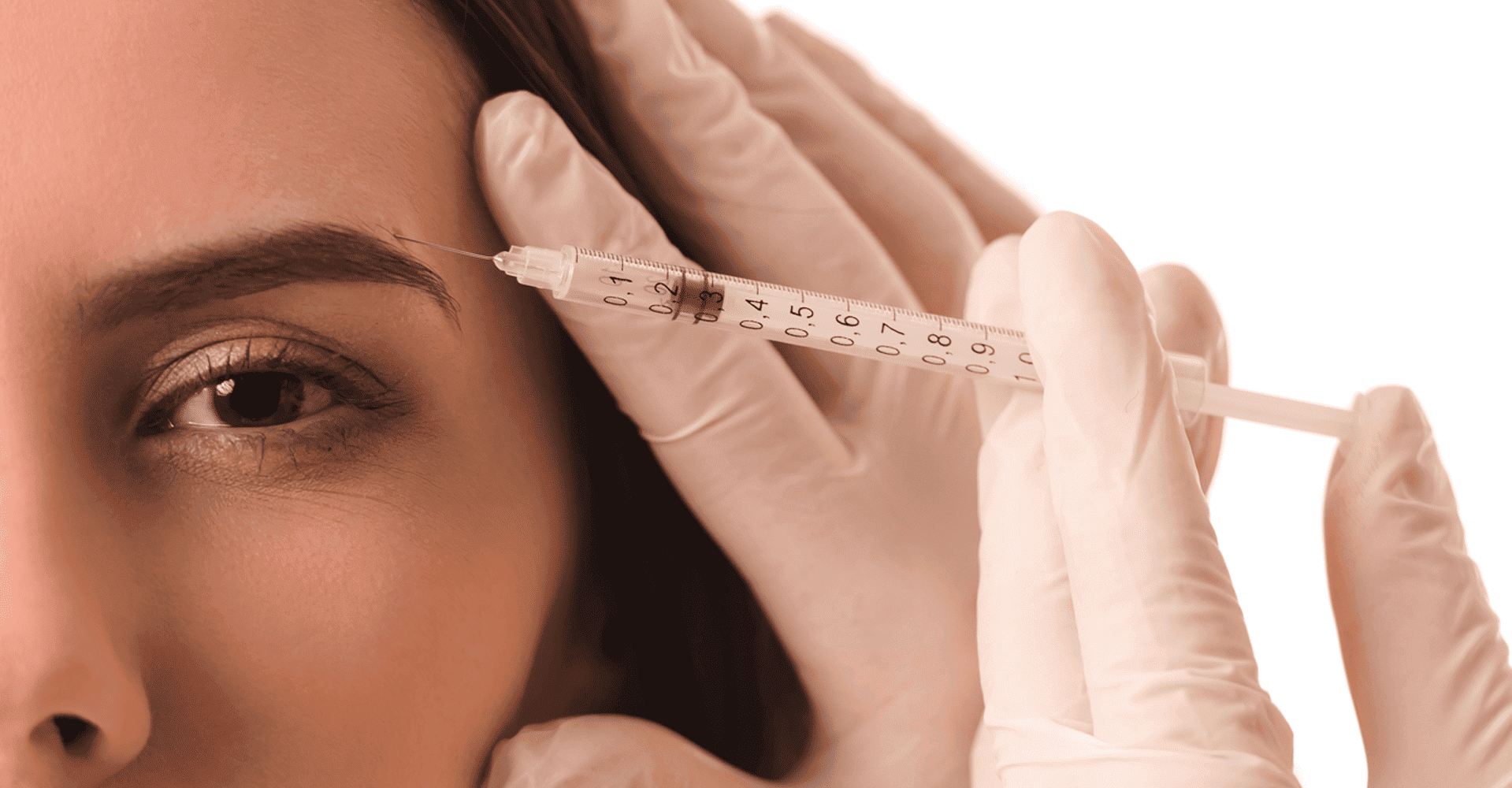
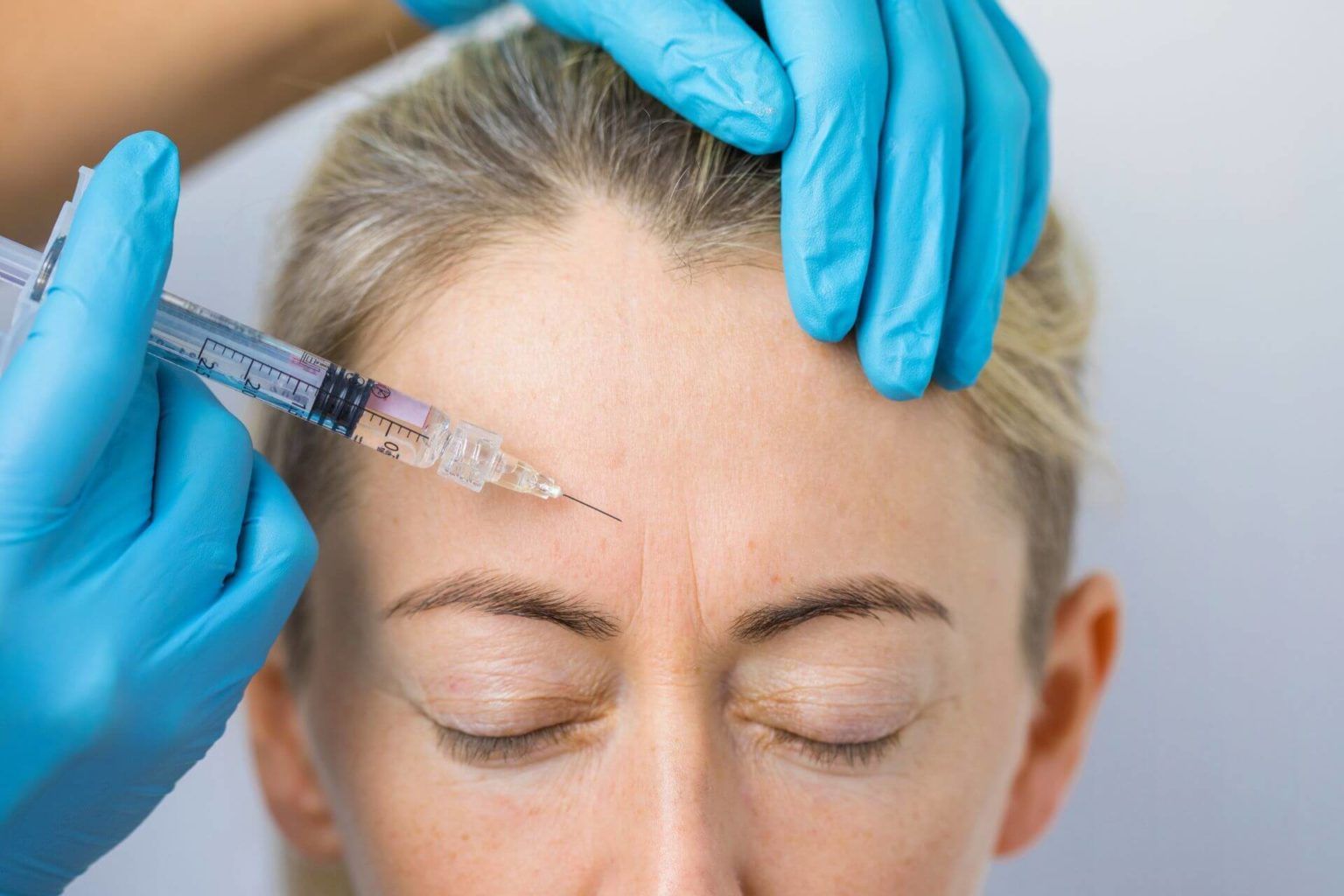
However, Botox is an effective treatment for reducing facial wrinkles, including forehead wrinkles, eye wrinkles, bunny lines, and vertical lip lines, creating a more youthful appearance.
Dermal Fillers Or Botox Treatment?
Botox and facial fillers serve different purposes, though they are often combined for a non-surgical cosmetic procedure that enhances results. You can learn more about the treatment process, benefits, and safety in our comprehensive guide to Botox.
When should I have a Botox treatment?
Botox is best for treating dynamic wrinkles, which appear due to facial expressions, such as smile lines, frown lines, and lip lines. It’s widely used to reduce the appearance of wrinkles caused by muscle activity, making it an effective treatment for concerns like:
• Forehead wrinkles
• Crow’s feet
• Bunny lines (wrinkles on the bridge of the nose)
• Lip flip (to subtly enhance the lips)
• Excessive sweating (hyperhidrosis)
When Should You Consider Facial Fillers?
For patients experiencing volume loss, deep lines, or structural concerns, dermal filler treatments can restore extra volume and improve skin elasticity. Fillers made from hyaluronic acid are ideal for:
• Reducing the appearance of marionette lines and smile lines
• Softening tear troughs under the eyes
• Sculpting the chin, jawline, or cheekbones
Does Botox Change the Shape of Your Face?
A common concern is whether Botox alters facial anatomy. While Botox doesn’t change bone structure, it can subtly reshape facial muscles by relaxing specific areas.
For example, Botox injections in the masseter muscles (used for chewing) can slim a square jawline, while treatment for forehead wrinkles or frown lines may create a slight lifting effect. However, Botox does not add extra volume or permanently change facial anatomy. If you’re looking for structural changes, alternative treatments such as dermal fillers may be more suitable.
Common Myths About Botox
There are plenty of misconceptions about anti-wrinkle injections and Botulinum toxin injections. Let’s debunk a few:
• “Botox makes your face look frozen.” In reality, when performed by a qualified practitioner, Botox maintains a natural appearance while reducing wrinkles.
• “Botox is only for older people.” Many younger patients use Botox preventatively to slow the formation of facial wrinkles.
• “Botox is permanent.” Botox is a temporary, safe treatment, and if you stop, muscle activity will gradually return to normal.
How Long Does Botox Really Last?
The effects of Botulinum toxin injections typically last 3 to 4 months, though this varies depending on factors like metabolism, muscle strength, and lifestyle. Some patients may find their Botox lasts up to 5 or 6 months, while those with a high metabolism or active lifestyle may need touch-ups sooner.
Regular treatments can help prolong results over time, and combining Botox with alternative treatments, such as dermal filler treatments, can enhance its longevity.
Botox vs. Other Anti-Ageing Treatments: How Does It Compare?
While Botox is an effective treatment for dynamic facial wrinkles, other aesthetic procedures can target different skin concerns:
• Chemical peels: Improve skin condition and reduce pigmentation.
• Microneedling: Boosts skin elasticity by stimulating collagen.
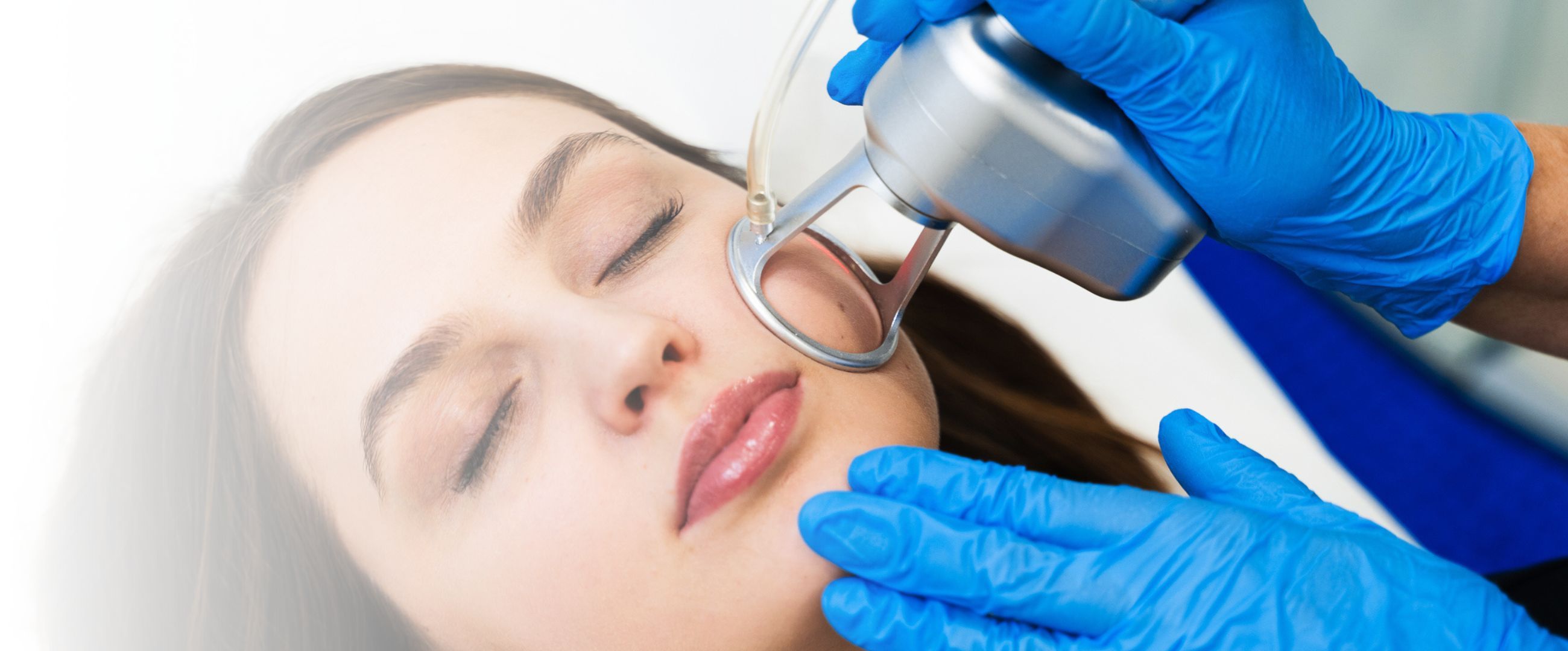
• Laser resurfacing: Addresses fine lines and texture issues.
A combined treatment approach is often the best way to achieve a well-rounded, youthful appearance.
What Does Botox Feel Like?
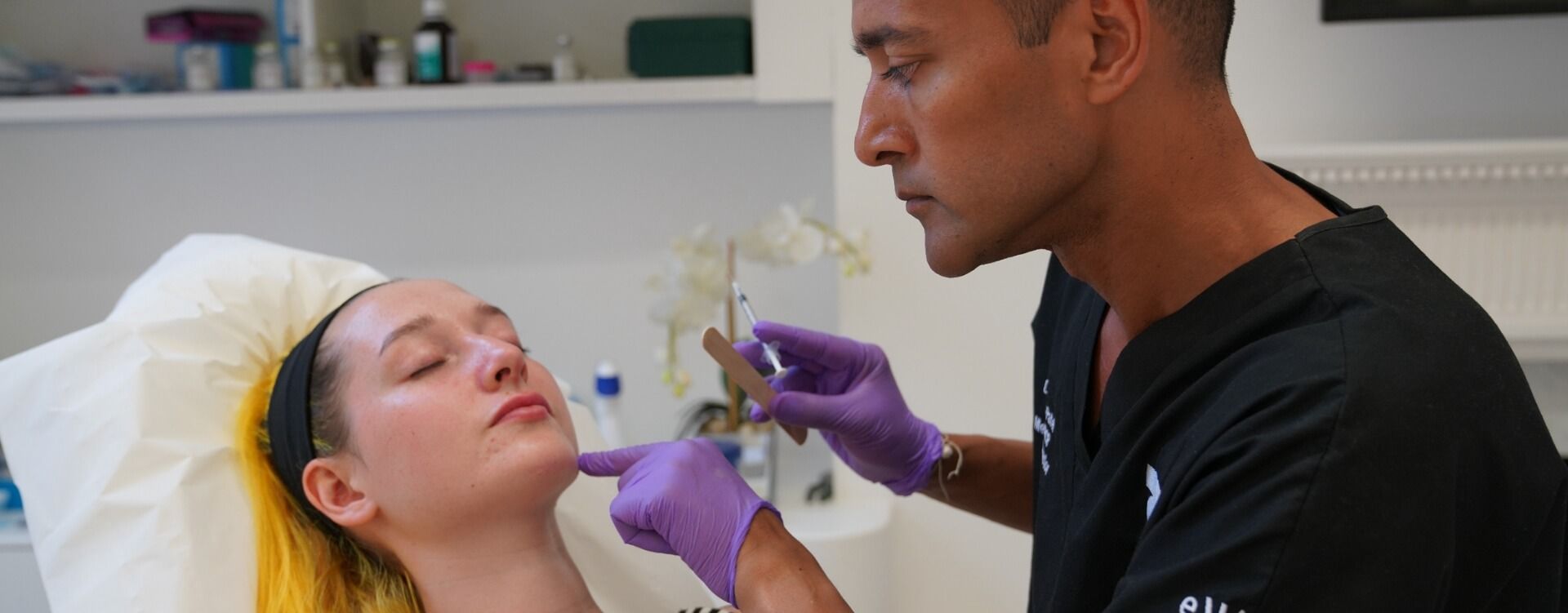
Many patients worry about minimal discomfort during the procedure, but Botox injections are quick and relatively painless. The sensation is often described as a mild pinch, and most people tolerate it well without numbing cream.
After treatment, you may notice slight redness or small bumps at the injection sites, but these typically fade within a hour. With minimal downtime, you can return to your normal routine immediately. Read our patients guide here.
Are There Any Long-Term Effects of Botox?
Botox is a safe treatment with no major long-term risks when administered by a qualified practitioner. Some patients worry about potential side effects or the muscles becoming weaker over time. However, this is not a concern when Botox is used strategically.
If someone stops Botox, their muscle activity will return to normal, and the appearance of wrinkles caused by movement may gradually reappear. Many patients also find they need fewer units over time, as their muscles adapt to the treatment.
Plan For Botox Treatment
To get a comprehensive idea of the treatment that will most suit you, you will need to have a consultation with one of our doctors or injectable nurses here at PHI, who can create a bespoke treatment plan that suits your needs, timing, and budget. They will advise you whether Botox®, dermal fillers, or a combination treatment will produce optimal results.
To see examples of treatments performed by our doctors and nurses previously, you can visit our Instagram, or specific treatment pages for Botox and dermal fillers. You can also contact us on 0207 034 5999.