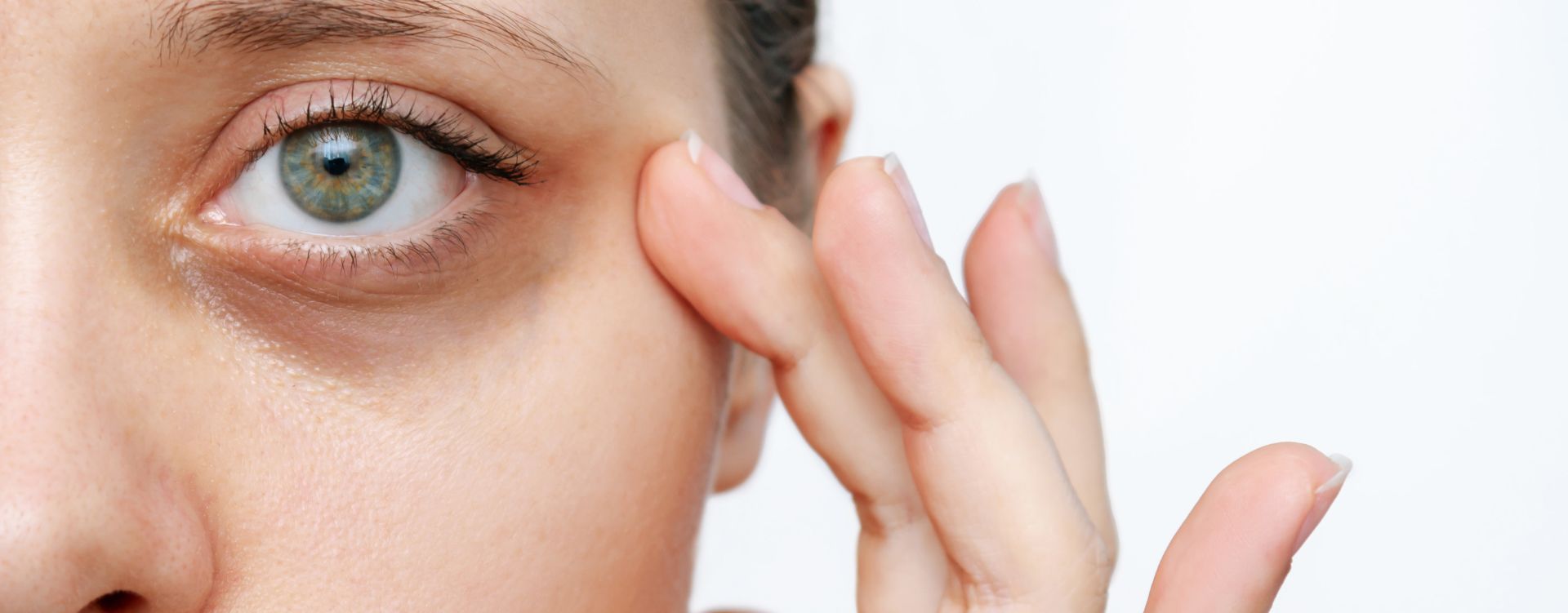
Why Eye Bags Happen and What Actually Works to Treat Them
The skin around the eyes is delicate and thin, meaning it shows early signs of ageing sooner than other facial areas. With time, collagen and elastin decrease, leading to looser skin and reduced firmness. Fat pads can shift or bulge, creating puffiness or bags under eyes, while water retention, stress, or sleep deprivation may worsen swelling.
Even allergies and a poor sleep routine can make puffy eyes appear more prominent. While lifestyle changes such as improving sleep, hydration, and limiting salt or caffeine can help, most concerns stem from deeper structural changes in the skin.
That’s why professional cosmetic procedures like dermal fillers, laser therapy, or radiofrequency treatment (Secret RF) offer far more effective, long-lasting results. These treatments work to restore support, stimulate collagen production, and improve skin hydration, helping to rejuvenate tired-looking eyes.
Eye Bags vs. Dark Circles: How to Tell the Difference (and What to Do About Each)
It’s easy to confuse eye bags and dark circles, but the causes and treatments differ.
Eye Bags: Puffiness or bulging under the eyes is often due to fat displacement, fluid retention, or loose skin. Treatments that rebuild structure, such as dermal fillers, CO2 laser therapy, or radiofrequency treatment, are most effective for firming and smoothing.
Dark Circles: These are more about hyperpigmentation, thinning skin, or shadowing caused by volume loss. Treatments that enhance skin tone and skin hydration, such as Polynucleotides, Chemical Peels (like glycolic acid), or Intense Pulsed Light (IPL), can help brighten the area.
Both can be worsened by sleep deprivation, allergies, or an inconsistent skincare routine. Many patients experience a combination of both, which is why at PHI Clinic, our practitioners assess your individual anatomy before designing a tailored treatment plan that may combine fillers, laser resurfacing, and regenerative treatments for best results.
Are Fillers or Lasers Better for Under-Eye Puffiness?
Both are powerful non-surgical treatments, but they work in different ways.
Tear Trough Fillers use hyaluronic acid to restore lost volume beneath the skin, smoothing shadowing and creating a more balanced contour between the lower eyelid and the cheek. This approach reduces puffiness and tiredness, offering results that can last 9 to 12 months.
Laser skin resurfacing or CO2 laser therapy targets fine lines, wrinkles, and crepiness by stimulating collagen production and tightening skin. The results improve gradually over several weeks as new collagen forms, strengthening the delicate tissue beneath the eyes.
You may have also heard of Botox for ‘Jelly Rolls’, the small creases or rolls that appear beneath the eyes when you smile or squint. When carefully injected into this area, Botox helps to relax the fine muscles responsible for that bunching effect, creating a smoother, more refreshed look without affecting natural facial movement.
In many cases, a combination of fillers and laser treatments delivers the most natural, refreshed result, addressing both skin structure and surface texture.
What About Skin Boosters and Polynucleotides?
If dullness, fine lines, or dryness are your main concern, skin boosters such as Profhilo, or regenerative polynucleotide treatments, can deeply hydrate and improve skin elasticity. These injectables enhance the skin’s natural repair process, improving smoothness and radiance from within.
They are ideal for patients looking to prevent early signs of ageing, maintain skin hydration, and strengthen the skin barrier without adding volume. Microneedling can also be combined with these treatments to further boost collagen and enhance overall texture. Find which skin booster treatment would work best for you.
Can Skincare and Lifestyle Changes Help Too?
Although in-clinic treatments offer the most visible results, supportive skincare products and lifestyle changes make a big difference to long-term results.
- Apply cold compresses in the morning to reduce temporary swelling.
- Choose hydrating eye creams with ingredients like vitamin C, caffeine, and hyaluronic acid to brighten and firm the area.
- Incorporate gentle topical treatments or chemical peels to improve tone and texture.
- Prioritise adequate sleep and a consistent sleep routine to reduce water retention and puffiness.
At PHI Clinic, your practitioner may also recommend professional-grade skincare solutions to complement in-clinic treatments and support lasting results.
What Results Can You Expect?
When performed by an experienced practitioner, these non-surgical solutions can:
- Reduce under-eye bags and puffiness
- Brighten dark circles and improve overall tone
- Smooth fine lines and wrinkles
- Strengthen the skin around the eyes for long-term rejuvenation
Results depend on the treatment chosen.
- Dermal fillers offer instant smoothing and contouring, lasting 9–12 months.
- Laser therapy delivers gradual tightening and brightening over 6–12 weeks.
- Skin boosters and Polynucleotides enhance skin hydration progressively over several sessions.
At PHI Clinic, every treatment plan is bespoke, always aiming for subtle, natural-looking improvements that restore balance rather than alter expression.
The PHI Approach
Led by Dr Tapan Patel, PHI Clinic on Harley Street combines advanced technology with artistry to achieve safe, elegant, and natural results.
Our philosophy is simple: to enhance your natural features through evidence-based cosmetic procedures and tailored care that respects your anatomy and individuality.
Ready to Refresh Tired Eyes?
If bags under your eyes, dark circles, or puffy eyes are affecting your confidence, our expert team can guide you towards the safest and most effective non-surgical solutions.
Book a consultation at PHI Clinic London and take the first step towards brighter, smoother, and rejuvenated skin around the eyes.